
Huérfanos del sistema de transporte
Por Selçuk Kuza | De Cangilones | Septiembre 23, 2023
4 minuto de lectura
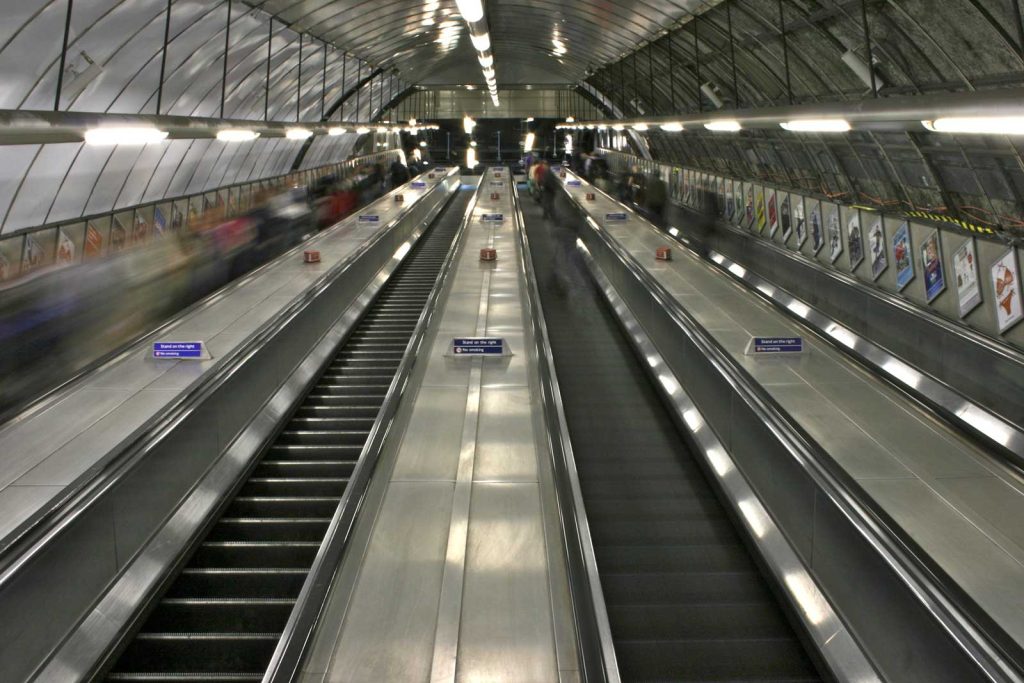
Las escaleras mecánicas se integran en la vida cotidiana como máquinas reconfortantes, casi invisibles, a diferencia de los ascensores, cuyas puertas y cabinas cerradas generan inquietud y ansiedad. Esta aparente tranquilidad oculta riesgos: una escalera mecánica promedio tiene entre 750 y 1,000 piezas móviles, muchas de las cuales no se pueden controlar completamente mediante un mantenimiento periódico. La tecnología y las medidas de seguridad apenas han evolucionado desde 1895, los fabricantes y los organismos de normalización descuidan la previsión y los accidentes van en aumento. La escasez de personal capacitado, la falta de claridad en las responsabilidades y la escasez mundial de repuestos agravan la situación, ya que los técnicos cualificados buscan mejores oportunidades. Los sistemas de transporte horizontal merecen la atención urgente de los reguladores, las asociaciones comerciales y los fabricantes para mejorar el diseño, la capacitación, el mantenimiento y la rendición de cuentas antes de que el problema se vuelva crítico.
por Selçuk Kuza
La escalera mecánica está justo enfrente de usted. Te acercarás sin preocupaciones en cinco o diez pasos, no mirarás antes de dar un paso hacia el primer escalón y esperarás a que te lleve arriba. Subirás sin darte cuenta, tan fácil como respirar. ¡Qué consuelo!
No llama la atención la presencia de este equipamiento que utilizamos frecuentemente en la vida urbana. Las escaleras mecánicas siguen funcionando cuando los pasajeros van y vienen o incluso cuando nadie viene. De hecho, cuando las personas llegan a un punto de un punto a otro mediante una escalera mecánica, cruzan esa distancia mediante una máquina, pero esa máquina muchas veces no está en su área de interés. Su presencia y ausencia son casi iguales. La razón más importante de esta aceptación es que los usuarios sienten que pueden continuar normalmente sin grandes cambios al no estar en un área cerrada como un ascensor. No hay nada fuera de lo común para los pasajeros. Estaban caminando y tomaron un descanso; la máquina los recogió y continuaron caminando. Cuando los mismos usuarios suben a un ascensor tienen una sensación diferente. Examinan todo a su alrededor. Si hay otro pasajero en el coche, la situación se vuelve más sombría. La puerta también es una diferencia importante. La puerta del ascensor se abre, se cierra y se vuelve a abrir. La existencia de una puerta perturba e impacta el subconsciente de los usuarios. Se siente claustrofóbico. También se puede decir que existe una diferencia entre escaleras mecánicas y ascensores, lo que repercute en el espacio personal de una persona. La gente está muy consciente de los ascensores. Si se rompe un ascensor en un edificio, surgen grandes problemas, pero no se produce la misma reacción que cuando se rompe una escalera mecánica, porque las escaleras mecánicas pueden usarse como escaleras incluso si no funcionan.
The function of a lift operating in a 30-story building cannot be performed by an escalator, just as the number of passengers moved by escalators in a unit of time at a subway station cannot be compared to the number of passengers transported by a lift at the same location. These two machines are fundamentally different from each other. Most moving machines are dangerous when not controlled. However, it is always perceived that lifts are dangerous. Escalators are not perceived to be dangerous as their presence is ignored most of the time. Are they? An escalator moving at an average height has approximately 750-1,000 pieces in continuous motion. Compared to lifts, this number is quite high. Each piece in motion is a potential problem, and it is not possible to control all of them in periodical maintenance by their design. Usually, the issue can only be understood when a problem occurs. The escalator technology is old-fashioned and time-worn, considering the point that technology has reached. There is no manufacturer that puts a worthwhile effort into an improvement. Apart from the unimportant cosmetic-based innovations, no new idea is put forward. What radical changes have occurred since the first escalator was installed in Coney Island in 1895? The most important thing is that the safety measures for escalators are insufficient. They are now equipped to meet all the accident case scenarios that are possible to occur. We live in a period in which foresight is quite important and accordingly, these machines still do not have the technology to foresee hazards. What's interesting is that both the responsible institutions and those who determine the international standards, alongside the manufacturers, ignore such insufficiencies for a long time.
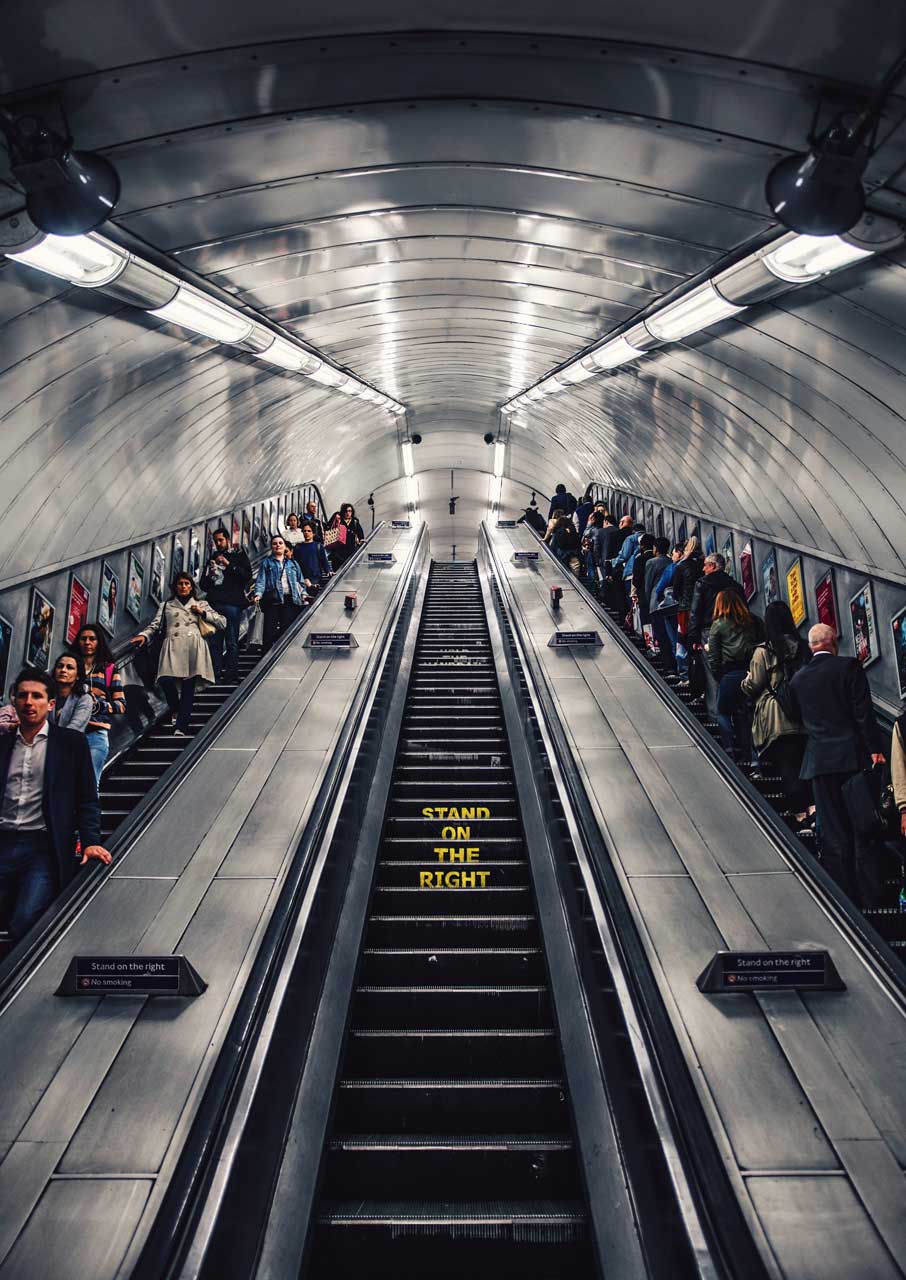
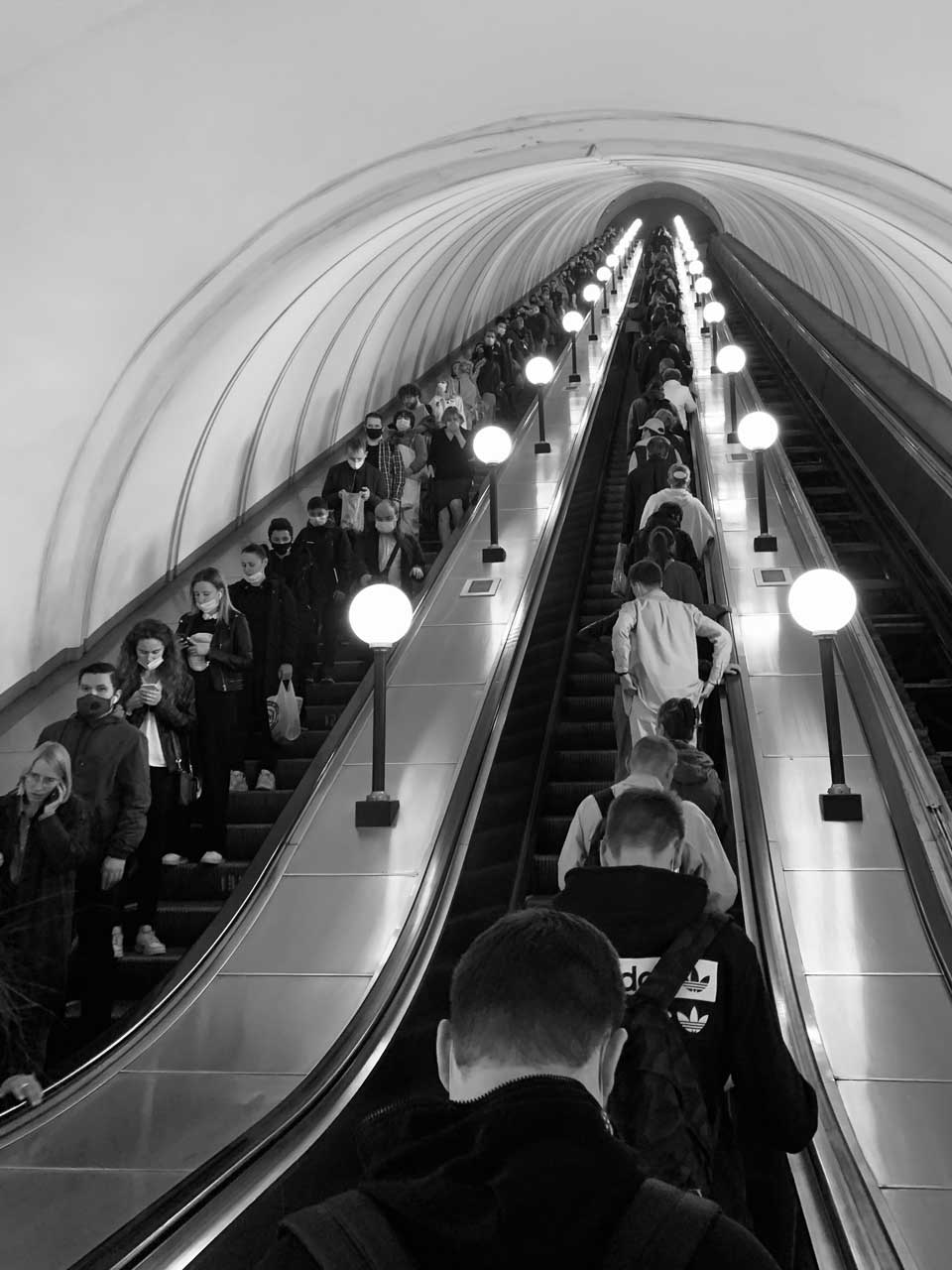
The number of personnel trained to perform the maintenance, control, repair and revision of horizontal transportation systems properly is so limited that the people in the business brood on how this can be possible. In general, a lift technician performs the maintenance of an escalator. It is totally unknown who will inspect, carry out maintenance and repair them. On the other hand, the problem of spare parts has become a hopeless issue to the core. This has become a problem not only in our country but also across the world. In this regard, it is obvious that the leading local and foreign companies providing design, manufacturing and on-site maintenance services should take on responsibility. One of the most important issues that I have tried to follow for the last decade is related to the educated technical staff. If the well-educated, equipped technical staff are not appreciated by their institutions deservedly (personal benefits, fringe benefits, career opportunities, trainings), they leave the system with the thought "I will better be the head of my own business" after some time. A few of these adventures result in a success story. In conclusion, the system loses its educated staff. In the next period, the companies that embrace their personnel will leave their competitors behind regarding especially the maintenance works.
De hecho, los sistemas de transporte horizontal dan la alarma. En consecuencia, los casos de accidentes, se reflejen o no en la prensa, aumentan día a día. Es un punto de vista inaceptable ignorar los sistemas de transporte horizontal ya que su penetración es baja en comparación con los ascensores. Está muy claro que las instituciones oficiales responsables y las asociaciones comerciales deben actuar, mantener los problemas en la agenda y crear soluciones relativas a los sistemas de transporte horizontal, que pronto se convertirán en un problema importante.
Deseo un horario de trabajo seguro para todos los accionistas de la industria.
MÁS DE LA CATEGORÍA
NOTICIAS DIARIAS