
Une nouvelle controversée étude prétend que les anciens Égyptiens auraient pu utiliser un hysystème de levage hydraulique pour construire la pyramide de Djéser, la première pyramide au monde. Érigée il y a environ 4 700 ans, cette structure à six niveaux et à quatre faces, située sur le plateau de Saqqara, a fait l’objet de recherches menées par des scientifiques français.
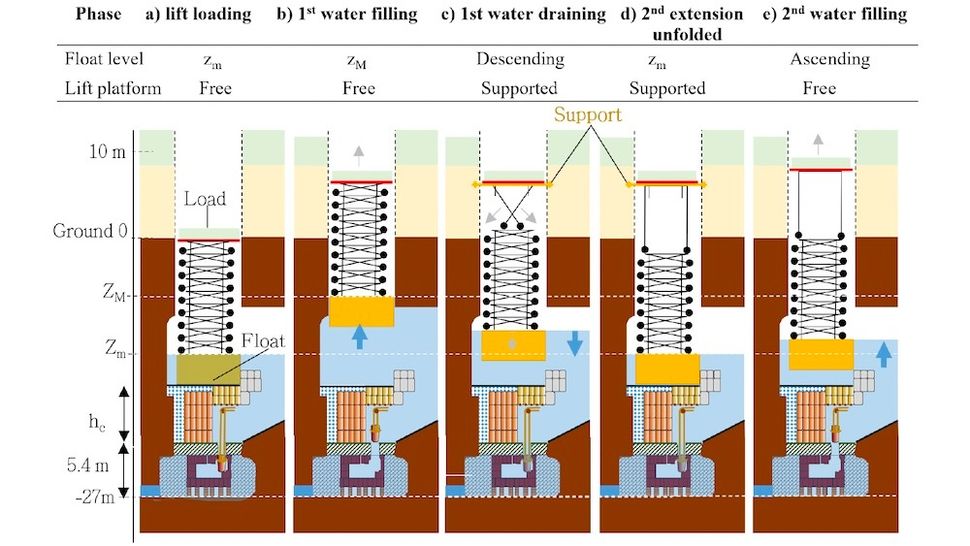
Les auteurs affirment qu'à la suite d'une analyse transdisciplinaire, ils ont découvert qu'un ascenseur hydraulique aurait pu être utilisé pour construire ce monument de 204 pieds de haut. Prouesse architecturale, des générations d'archéologues se sont demandé comment les ouvriers avaient pu construire la pyramide sans utiliser d'équipements modernes. L’équipe de recherche affirme que les anciens Égyptiens utilisaient l’eau d’un bras voisin du Nil pour concevoir un système hydraulique moderne comprenant un barrage, une usine de traitement de l’eau et un monte-charge hydraulique.
Pour que ce système alimenté par le fleuve fonctionne, l'eau aurait coulé du Nil jusqu'au barrage de 1.2 m de haut, qui filtrait les sédiments avant son acheminement vers l'aval, jusqu'à la « Fosse Profonde », une station de traitement des eaux comprenant plusieurs bassins destinés à recueillir les particules restantes. Ensuite, un réseau de conduites souterraines aurait acheminé l'eau à 92 mètres sous la pyramide jusqu'à un ascenseur hydraulique. La force de l'eau accumulée dans le puits aurait été utilisée pour faire flotter des pierres dans un puits et les acheminer jusqu'aux ouvriers.
Certaines personnes, dont l'archéologue Julia Budka, doutent de la validité de cette étude. Budka, qui travaille à l'Université Ludwig Maximilian de Munich, a souligné l'absence d'égyptologues et d'archéologues directement impliqués et la nécessité d'études géologiques complémentaires pour mieux comprendre le système hydraulique proposé.