
Hosted by Illinois State University in Quincy, Elevator U 2026 brought roughly 150 attendees and 35 vendors together for education, networking, a Hollister-Whitney/Vantage plant and test-tower tour, and social events including a historic Armory reception. Sessions covered ASME code changes, cybersecurity, flood detection, two-way communication, and trends toward connected elevators, AI diagnostics and cloud monitoring. Panels and talks addressed negotiating service agreements, maintenance accountability, preventive drive and escalator care, asset management to move institutions from reactive to proactive maintenance, and strategies to manage obsolescence. The event raised over $3,400 for the Elevator Escalator Safety Foundation and closed with plans to hold 2027 at Ohio State University in Columbus.
Üniversite ortamlarında çalışanlara yönelik düzenlenen sektörel eğitim etkinliği bu yıl sınıf içi derslerin ötesinde oldukça fazla içerik sundu.
Lindsay Fletcher tarafından
Elevator U 2026 was hosted by Illinois State University at the Holiday Inn in Quincy, Illinois. Approximately 35 vendors and 150 attendees were able to participate in education, networking, social time and a factory tour as part of this year’s event. This is the third time the organization has held the event in Quincy, with the last event in the city 10 years ago. Elevator U Founding Director Glenn Duncan said:
“We always have a good attendance here in Quincy because of Hollister-Whitney being a national treasure for the manufacturing of elevators. Most of the universities don’t get that experience so that’s why we come here.”
Pazartesi Haziran 1
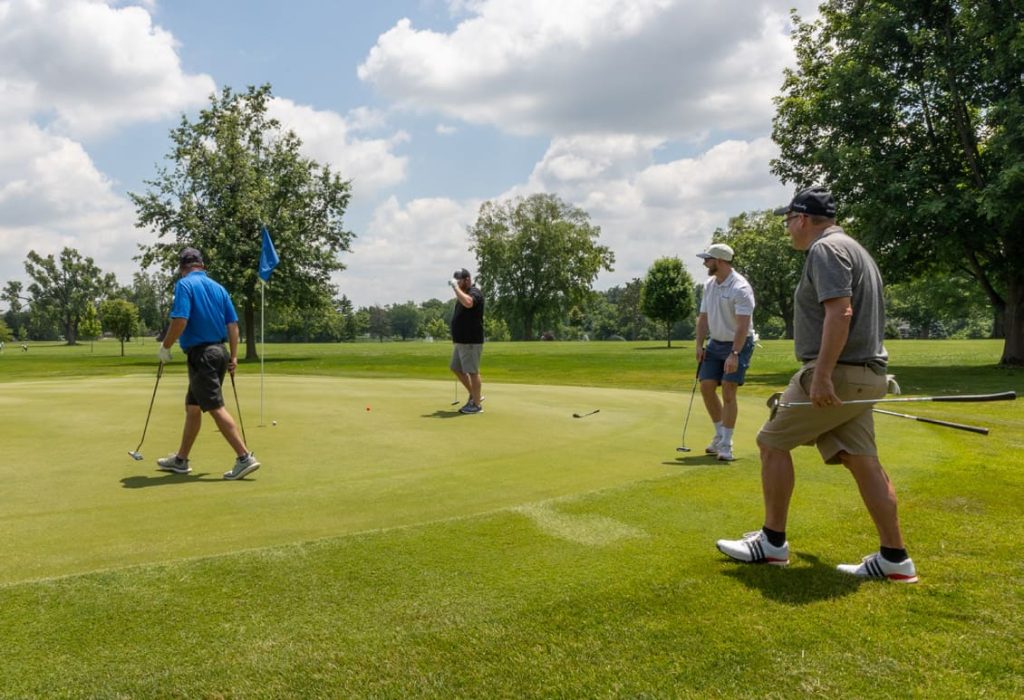
The four days of industry events kicked off with the golf outing at Westview Golf course in Quincy. Elevator U also held its Board of Directors meeting.
Salı, Haziran 2
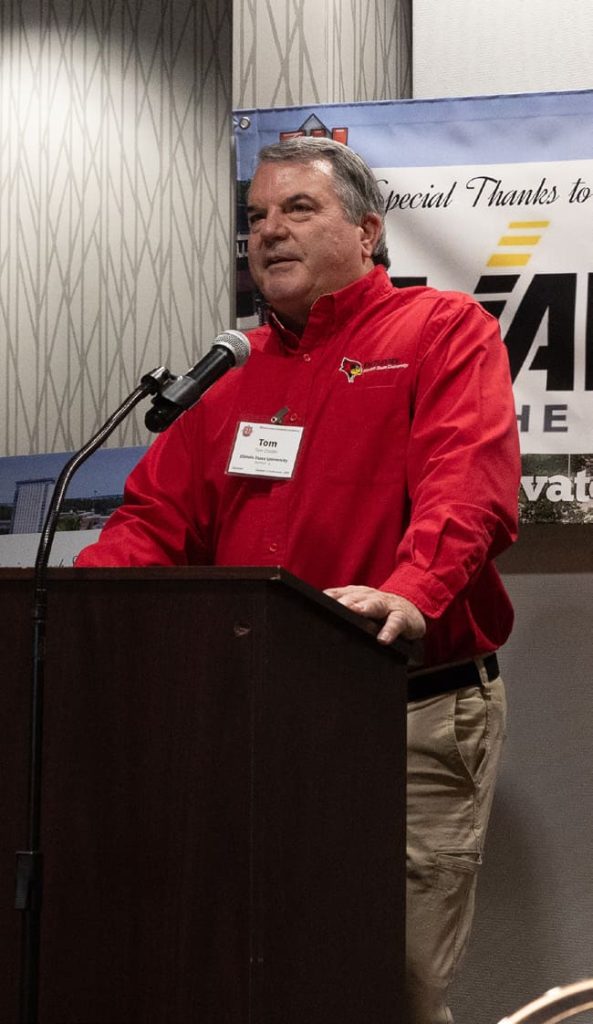
Tuesday morning kicked off with a welcome from Tom Chiodo, assistant superintendent of Building Maintenance for Illinois State University, who gave a number of statistics and updates about the college’s growth and enrollment.
The group then boarded a bus for the much-anticipated Hollister-Whitney plant tour just a few miles away. We were guided into a presentation room and given a brief welcome along with a company overview and history. The company was established in 1899 by Edward Everett Hollister as a millwright and machinery business, and Frank Whitney became a partner to form Hollister-Whitney in 1905. The company moved into elevator components in 1910 and was purchased by GAL Manufacturing Corp. owner Herbert Glaser Sr. in 1960.
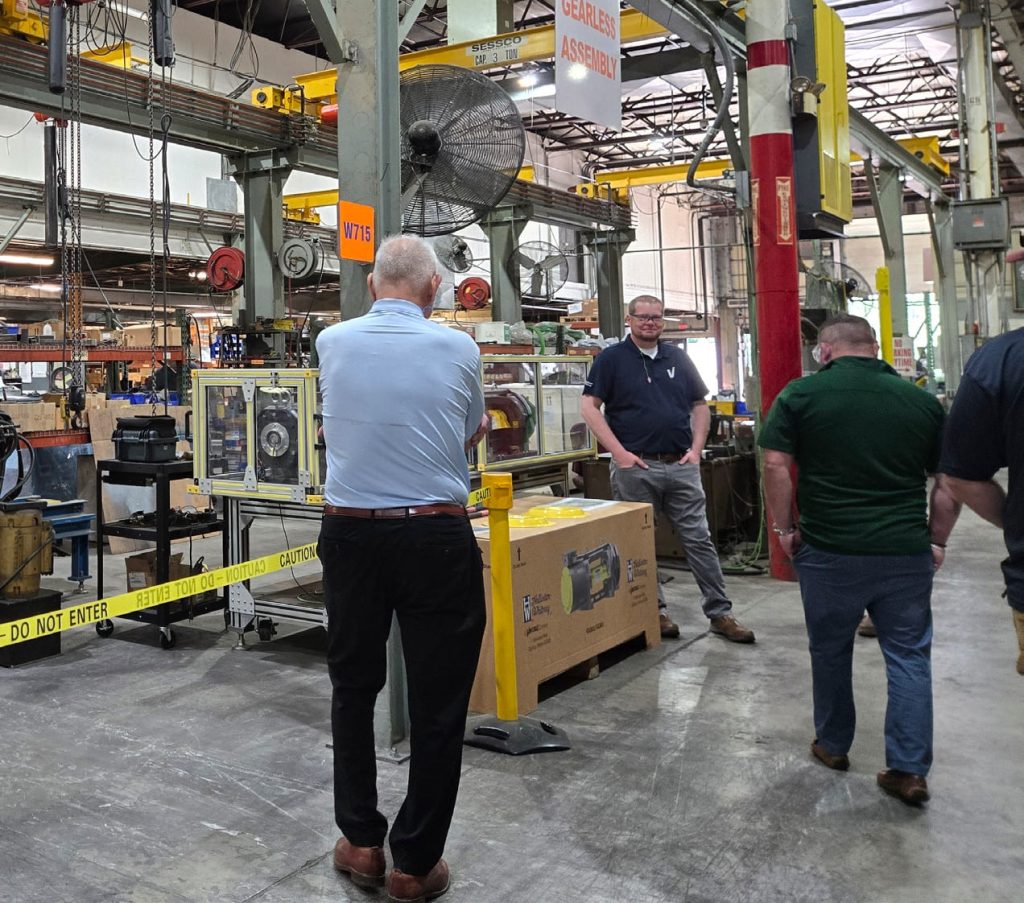
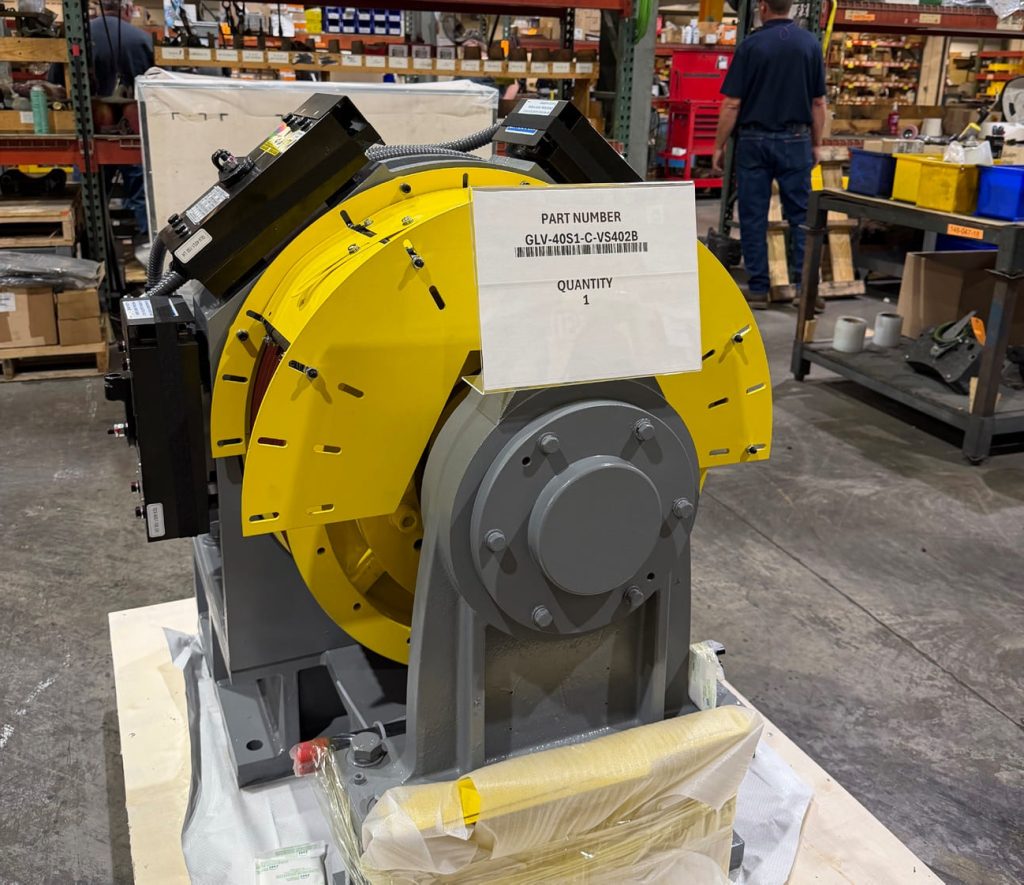
Hollister-Whitney moved to its present location in 1980 and currently operates two shifts with approximately 265 employees. In June 2017, GAL Manufacturing Corp. and Hollister-Whitney were acquired by Golden Gate Capital, a U.S. private-equity firm based in San Francisco, and the Vantage brand was officially introduced in September 2018.
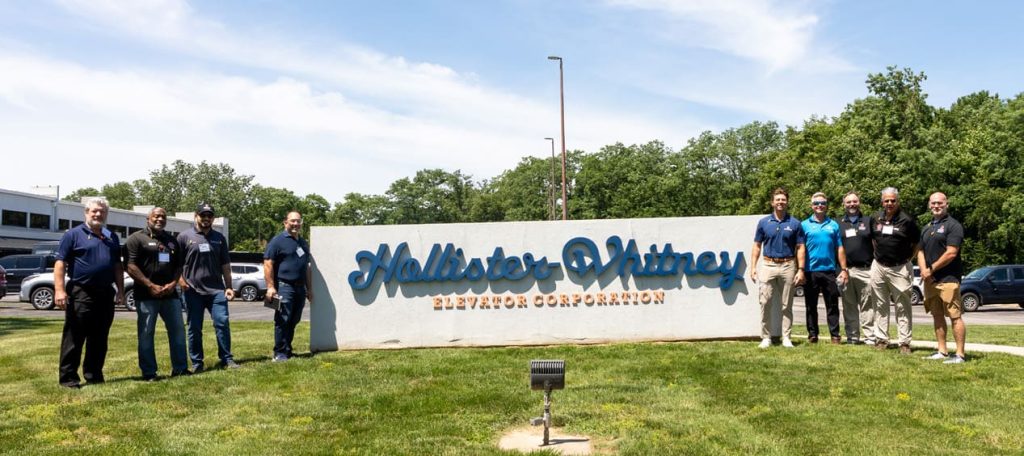
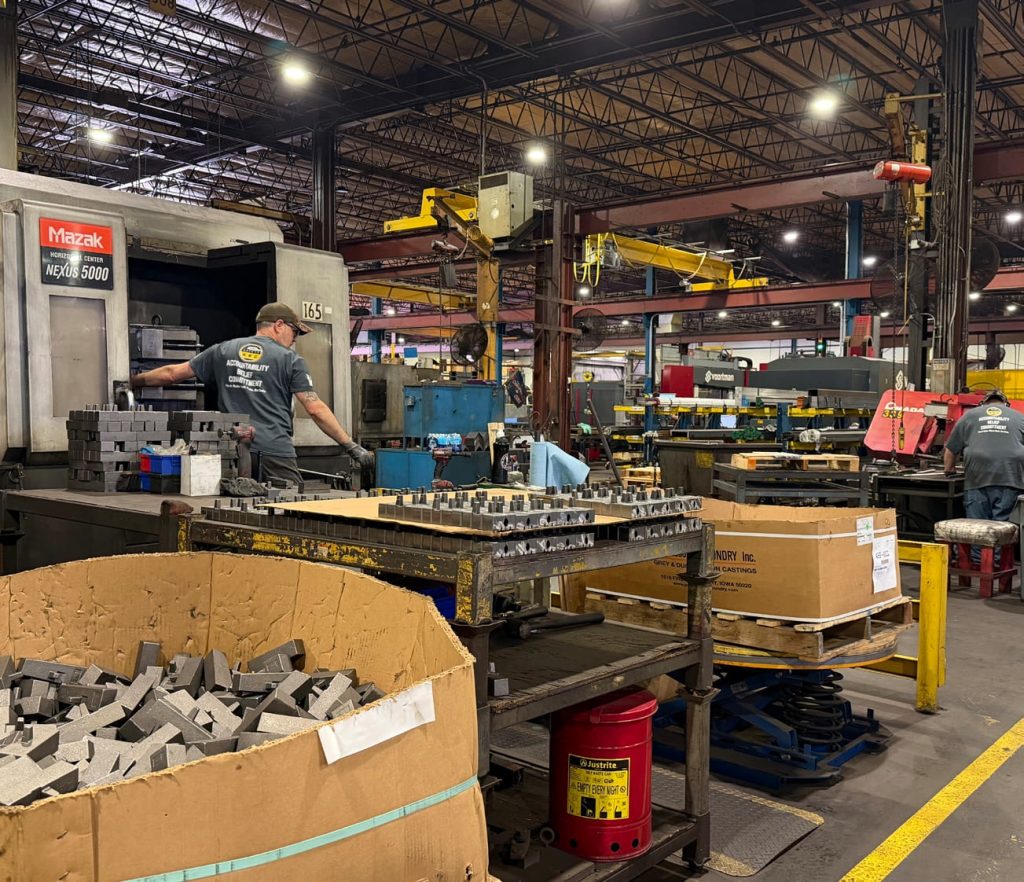
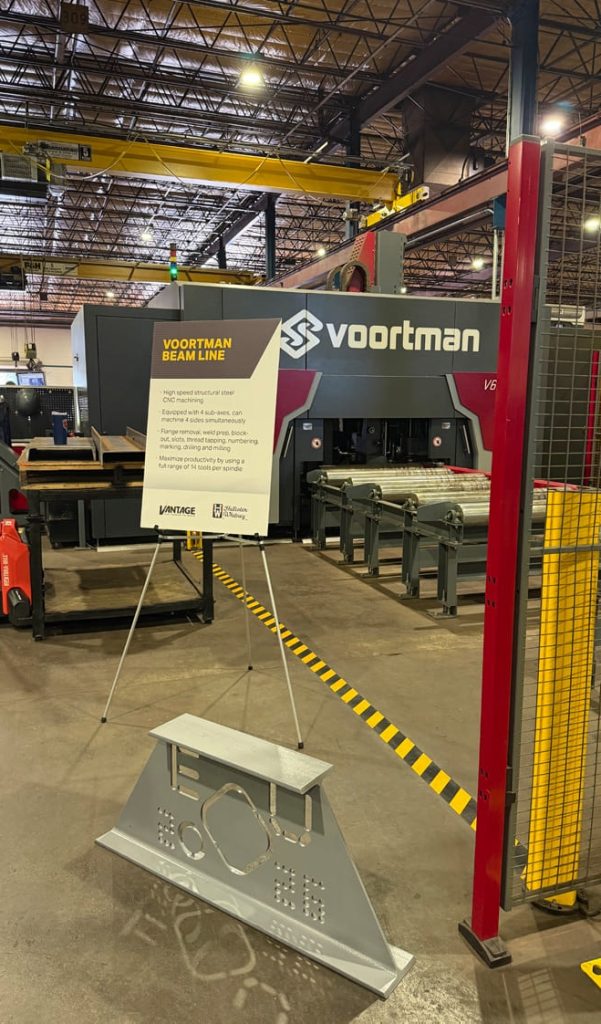
Then, the Elevator U group was split up into smaller groups and given a tour of the showroom, manufacturing facilities, test tower and more. Vantage had a number of their employees around the facility ready to explain what they do and talk to the group about their roles and company products. The group even got to witness the testing of a new product in the elevator test tower.
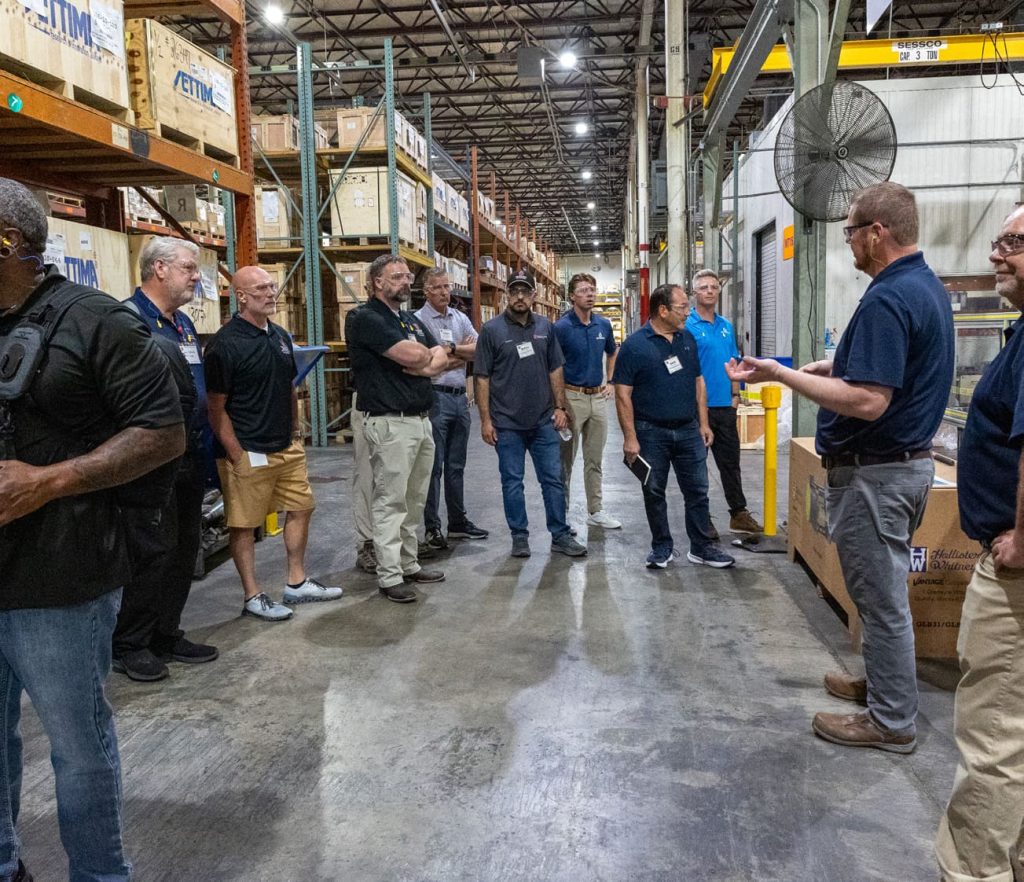
After the tour, the group headed back to the Holiday Inn for lunch and a low-key afternoon.
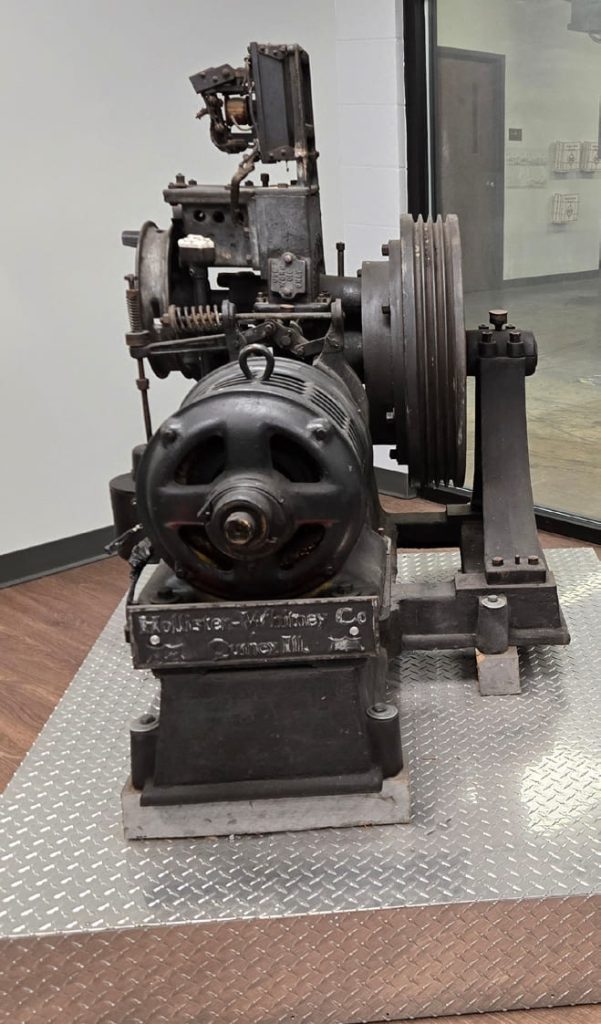
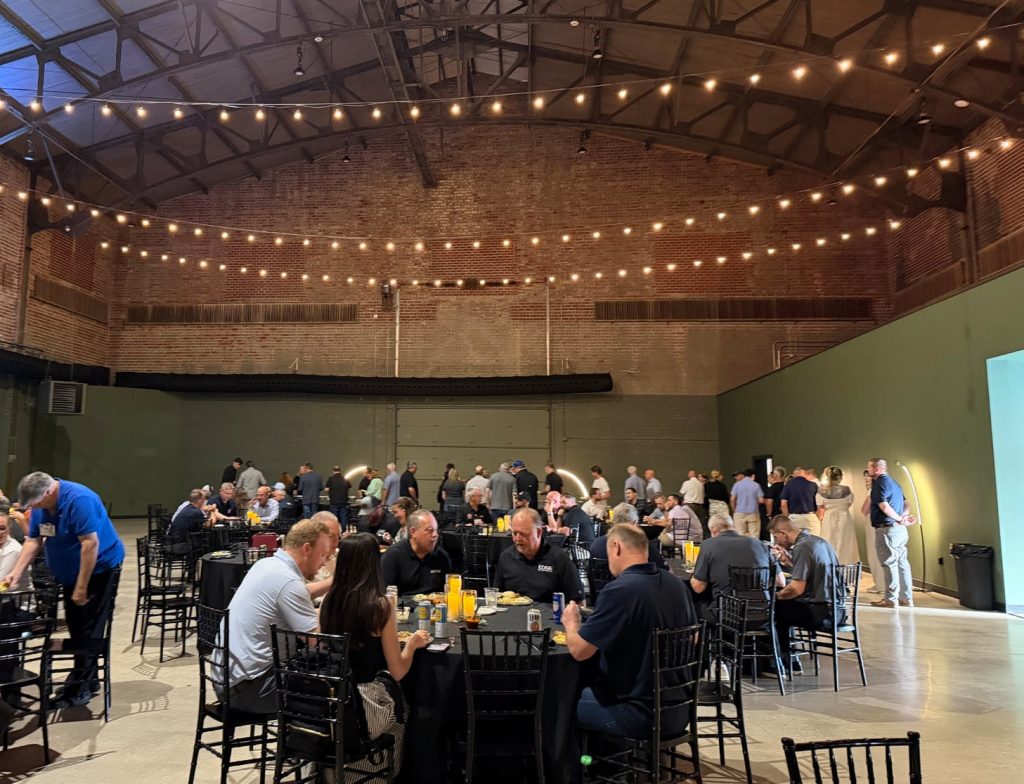
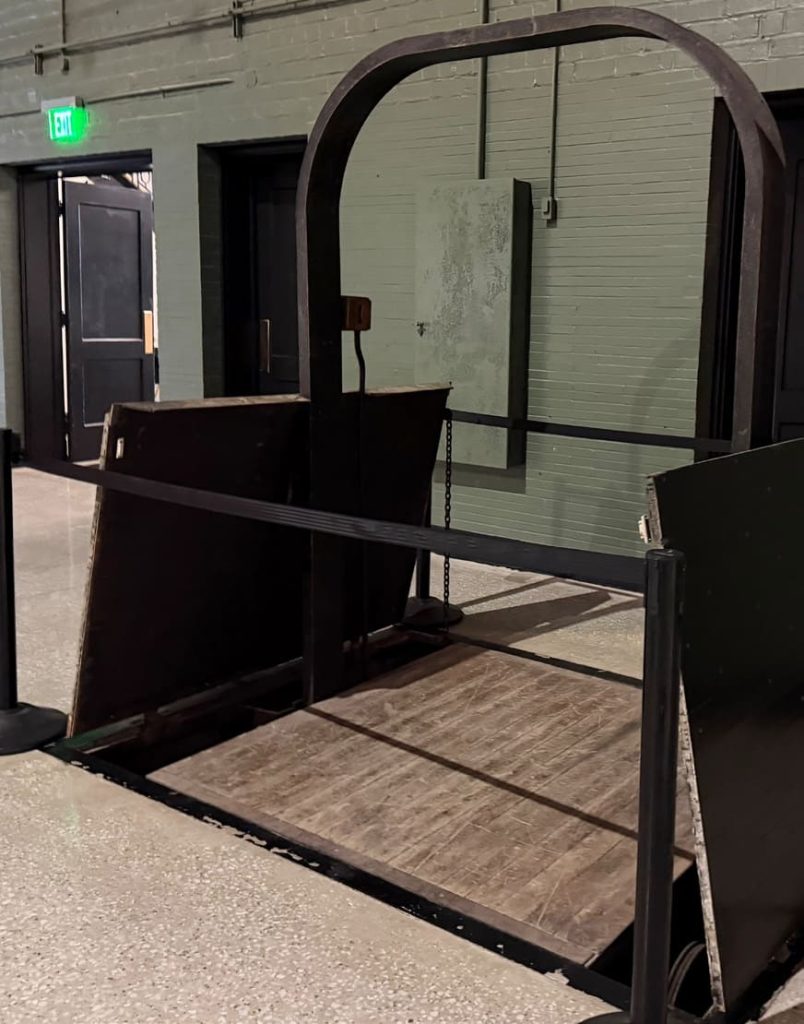
To cap off a full Vantage day, the company sponsored the social event that night at the Armory in downtown Quincy. Attendees were treated to dinner and drinks at the event venue in Quincy’s historic Fifth Infantry Armory building, which is home to a 1915 Hollister Whitney sidewalk elevator lift. The 111-year-old lift still works.
Çarşamba, Haziran 3
Wednesday began with the Elevator U Vendor-Mercials in which two companies participated. CEDES and Covion Solutions showcased their companies and products/services in commercial-type short presentations, and the presenters were given Oscar-like statues by Elevator U President James Dowell for their performances.
To kick off education for the day, Jonathan Latham with PTL presented “Upcoming Code Changes.” He told a personal story about the number of children he has – and the age range between them – saying that “change is inevitable.” His agenda included a look at ASME A17.1 changes from 2019 to 2022 focusing on cybersecurity, door lock monitoring, flood detection, two-way text and video; how these changes affect college campuses; future trends; and final tips and takeaways.
When it comes to cybersecurity, Latham asked: “Who owns the responsibility?” The answer: “Everyone is responsible. There needs to be a concerted effort now more than ever for people to come together and discuss the best practices.” In looking at updated flood protection requirements, he said climate events are now elevator concerns.
For future trends, Latham said the industry is headed toward more connected elevators, AI diagnostics, cloud monitoring, increased cybersecurity scrutiny and expanded emergency communication requirements. Future Codes are expected to feature more integration with building systems, enhanced remote diagnostics and data protection requirements.
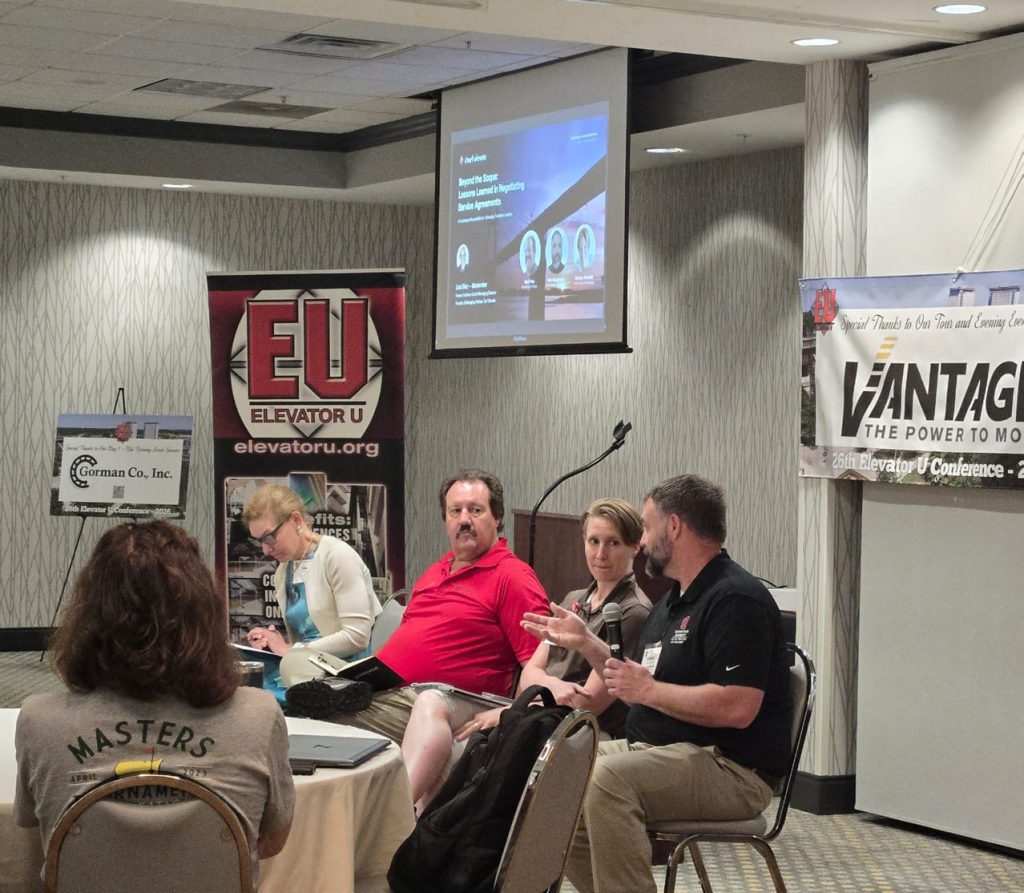
Up next, Lisa Diaz, founder and managing partner of Turf Elevate, moderated the panel “Beyond the Scope: Lessons Learned in Negotiating Service Agreements,” featuring Matt Pike with the University of Texas at Austin, Rob Baughman with Ohio State University and Ainsley Thrailkill with the University of Wyoming.
Diaz began the panel by saying: “My name is Lisa Diaz, and I love elevators.” She then led the discussion with the three panelists answering questions, including the following: Where do contracts fall short in practice? What is the most common scope gap you encounter? What is the one clause or detail you wish you had handled differently? When are change orders preventable? What would it take for a new bidder to win work on your campus? What is the biggest difference between an OEM and an independent service contractor? What will the TK Elevator/KONE merger do for boots on the ground? How do you handle inspections? and What do you like best about the industry?
The panelists gave thoughtful and insightful answers that inspired good conversation and questions from the attendees.
After the panel, lunch was available along with the Vendor Expo.
Satıcı Fuarı
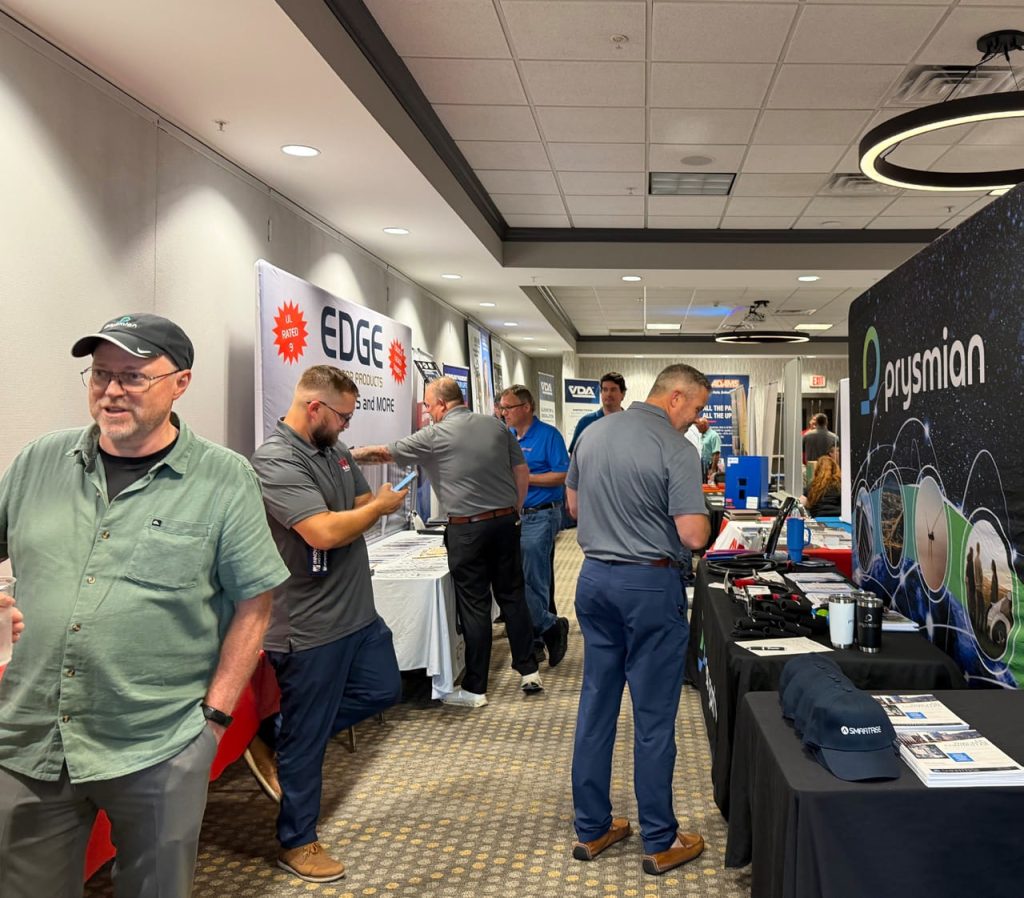
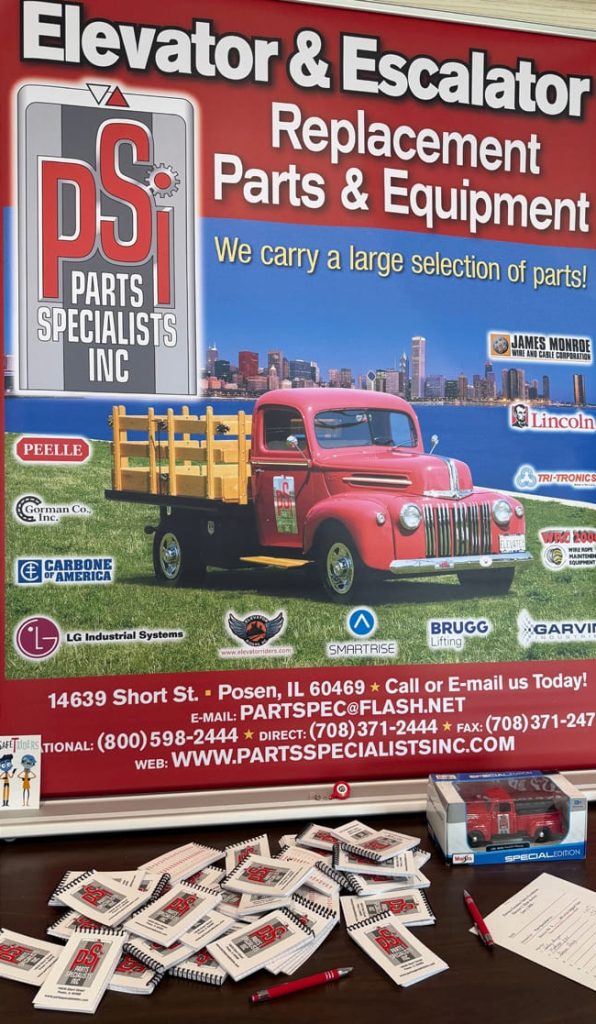
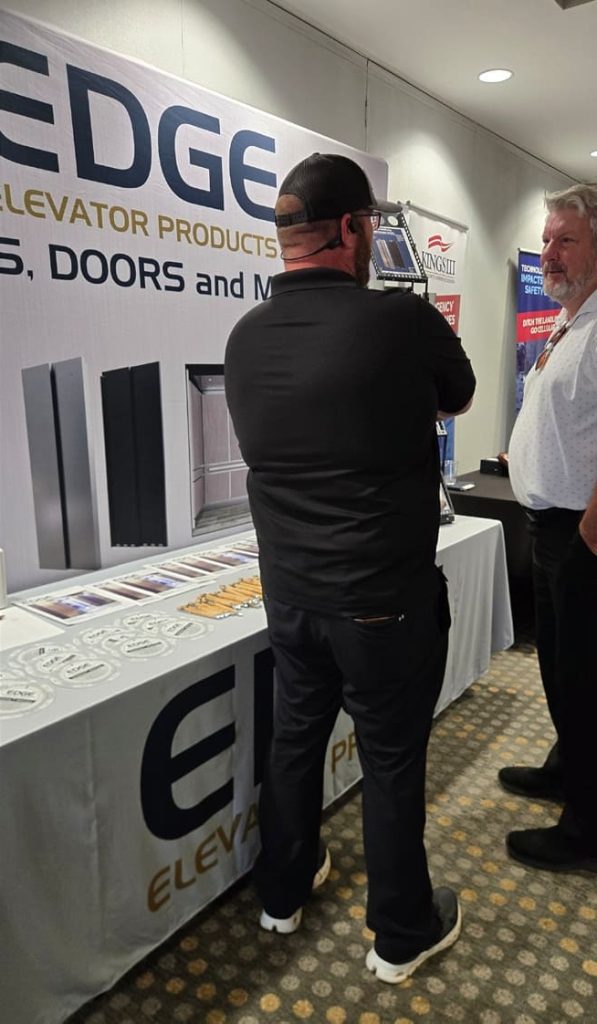
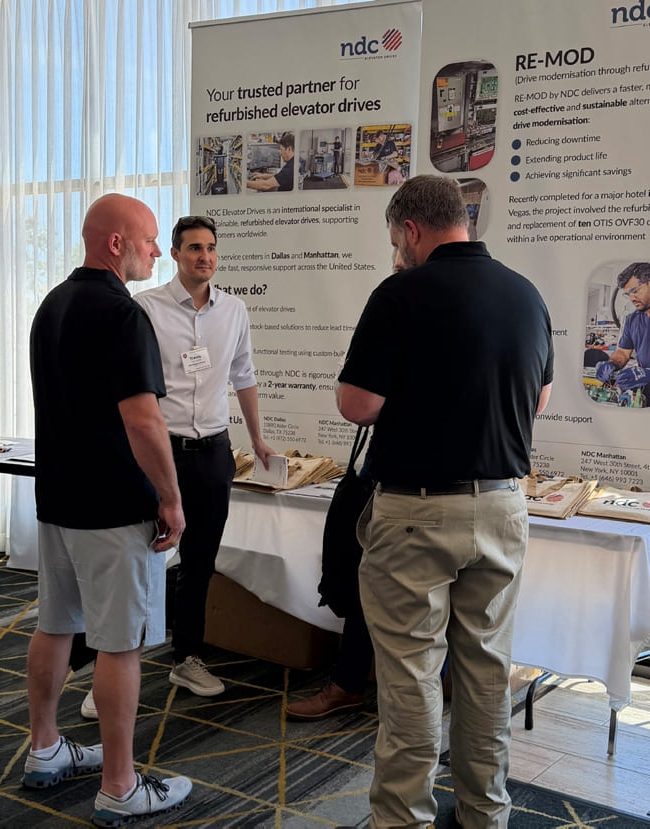
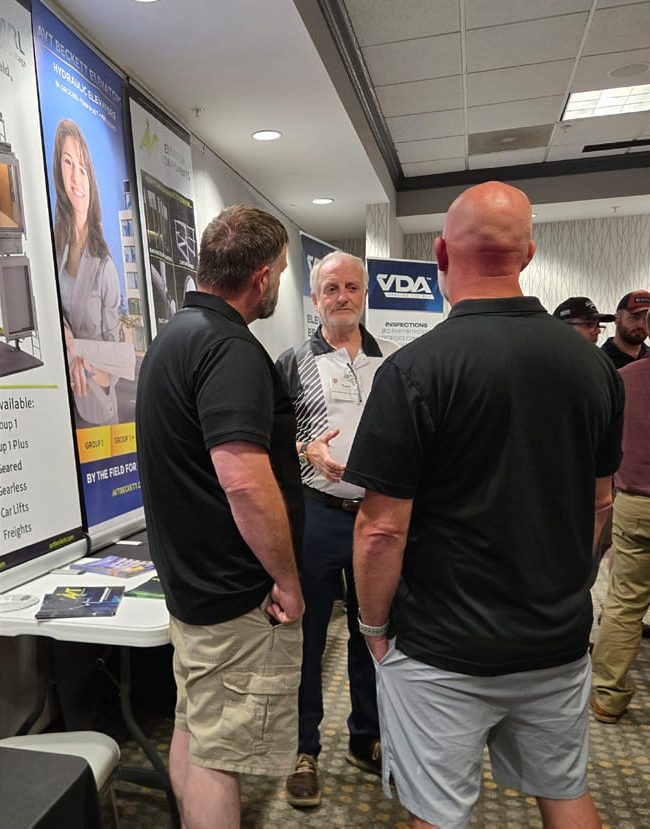
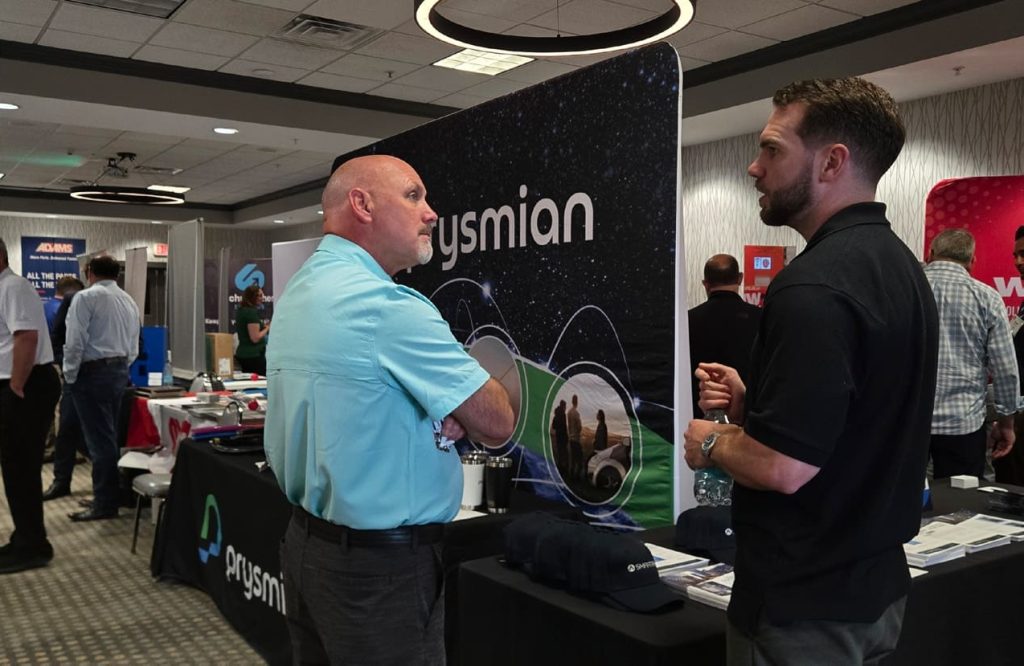
The first presentation after lunch focused on Vantage Elevator with a company and product overview.
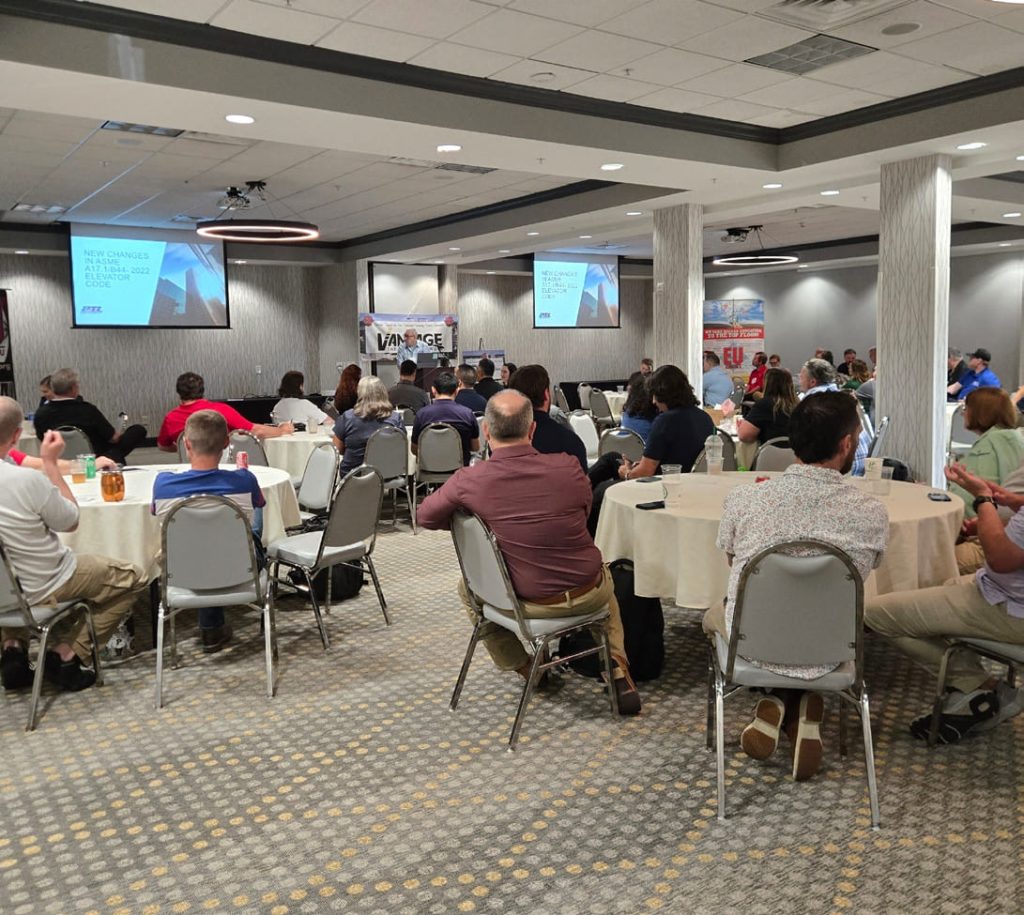
The next – and last of the day – education presentation, “From Reactive to Measurable: The Elevator Performance Accountability Framework,” was given by Christopher Short with Wurtec. He began with a fun fact about Quincy, saying it is the skydiving capital of the world.
Short said his presentation was a practical discussion about elevator performance accountability. When an incident occurs, “the real problem begins the next morning with the inability to answer questions about what happened,” he said, adding “knowing what happened is not the same as knowing what comes next.”
Fragmented reporting is not the same as measurable accountability reporting, Short continued, and went over a maintenance accountability framework. He also discussed previous research carried out by John Koshak and looked at the future operating model. Short said the main goal is operational clarity. “Reactive environments manage incidents while measurable environments manage trends,” he said. He closed with more trivia, saying the city was named after John Quincy Adams.
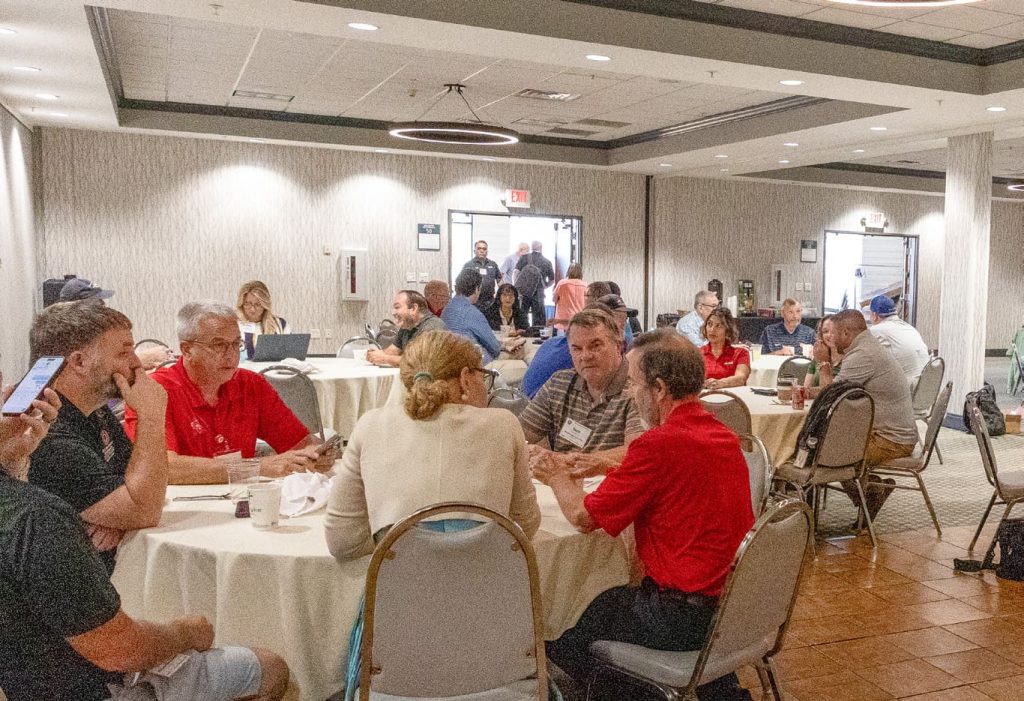
To close out Wednesday evening, a reception was held that featured the Vendor Expo, along with the Elevator Escalator Safety Foundation (EESF) silent auction, food and drinks to provide networking and social time for those attending the event. The event raised more than $3,400 for EESF.
Perşembe, Haziran 4
On the second day of presentations, the Elevator U board started the day by introducing themselves. Dowell said work on next year’s event would begin the following week and encouraged those with feedback and ideas or time to help to get in touch.
The morning’s presentations began with Mark Berhard from NDC Elevator Drives, Inc. presenting “Extending the Life Cycle of Elevators Through Preventive Maintenance.” He began by introducing himself and his background and giving his overall thoughts on the vertical-transportation industry: "It's an industry I love. I love the people, and I love the customers."
He asked for a show of hands of who have faced an elevator drive problem and said many are seeing an increase in drive issues; drives are not living up to their life expectancy. He discussed some of the reasons for "the four-letter word called obsolescence," including technological advancements in manufacturing, software and hardware; supply chain disruptions for third-part components; and OEM protocol barriers. The options are limited: new upgraded elevator drive, controller modernization including the elevator drive and elevator drive refurbishment. He said he wouldn't talk about NDC too much, but said the company's vision is to be a "solution provider" and not just a repair company to its customers. He went over the various reasons drives can die and possible ways to prevent this. In conclusion, he said it's important to keep drives cool, clean and dry; check the connections; have a maintenance plan; and use the correct tools.
Up next, Andrew Kenny with Draka EHC talked about "Escalator Maintenance." He first reviewed escalator history and the forerunners of the units we see today, saying that, for the most part, they still have the same standard features. He discussed the design features and the history and evolution of handrails. Important handrail properties are lip strength, dimensional stability, flexibility, traction/friction and environmental capabilities. Kenny also discussed warning indicators including heat, excessive wear, age and more, that may indicate a problem. He said lack of maintenance is the leading cause of early handrail failure and reviewed ways to maximize handrail life.
After lunch, the two afternoon presentations kicked off with Sarah Trujillo from Liftkeeper discussing "How Institutions Can Better Manage Vertical-Transportation Assets." She began by highlighting the importance of elevators to institutions and said that "when they fail, operations, budgets and occupant experience suffer."
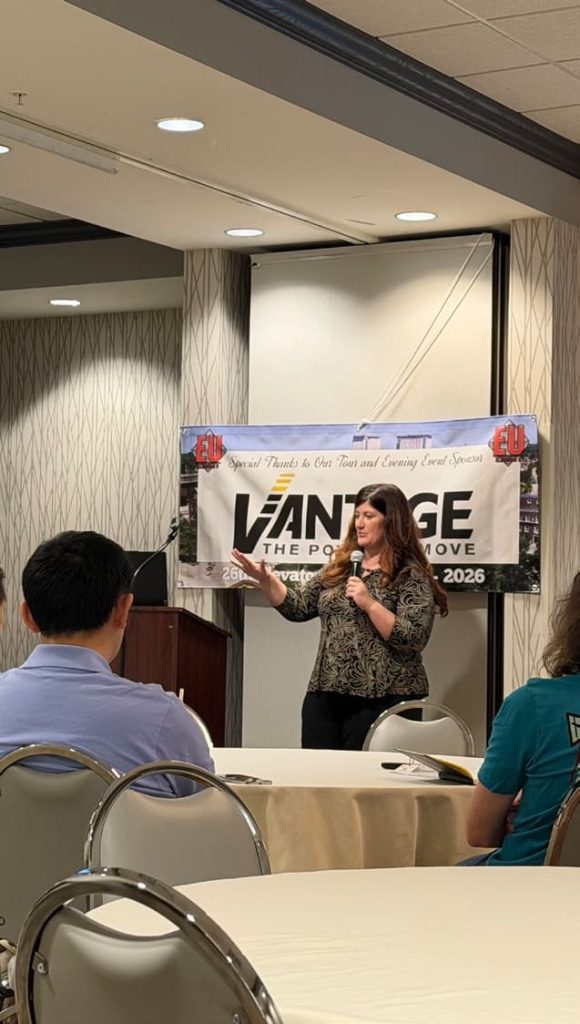
Institutions want to avoid pictures on social media. Trujillo discussed the reactive maintenance cycle and its cost, along with common pitfalls in institutional elevator management, including lack of service history visibility; limited repair trend analysis; no clear capital planning; and information scattered across emails and invoices. Trujillo said every institution should track maintenance completion, service calls, compliance and repairs. She discussed the need for a customer portal and what this should provide, saying that having access to your information matters. She provided a strategic framework to transition from reactive to proactive and emphasized the importance of data access and a customer portal, saying attendees should make that part of their next contract.
The final presentation of Elevator U 2026 was delivered by Natalie Nordstrom with ATIS Elevator Consulting. She presented "Overcoming Obsolescence," focusing on equipment and vendor education, how to tell if your elevators are truly obsolete and how to protect your investment. She began with a QR code for the attendees to complete a survey and then showcased the live results.
Nordstrom said a proactive approach begins with design, and design is the best way to get ahead in the long term. She also discussed the levels of obsolescence and indicated that universities may have the answer to obsolescence because having multiples of the same units can allow for a spare parts inventory.
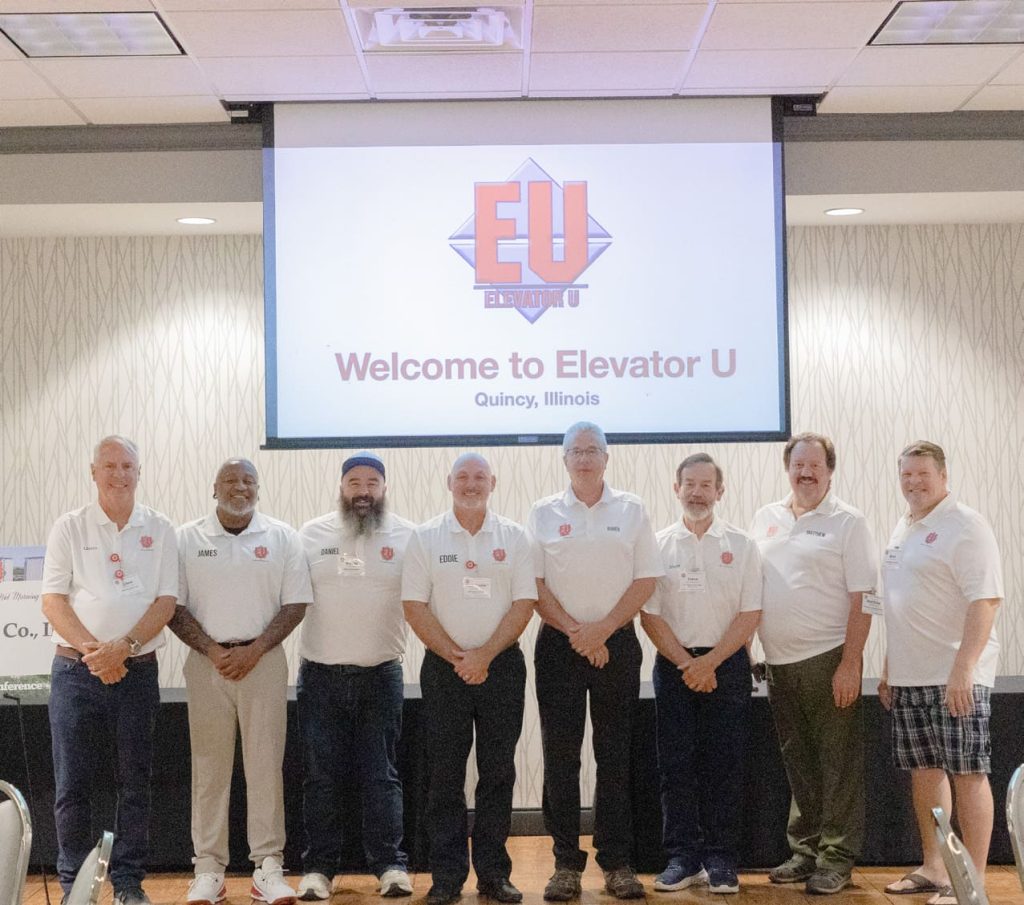
After her presentation, Dowell closed the event by thanking everyone for coming. The 2027 Elevator U conference will be held at Ohio State University in Columbus, Ohio, and Duncan said, "We'll take all of what we've learned here in Quincy with us."
KATEGORİDEN DAHA FAZLASI
GÜNLÜK HABERLER