
Transformación digital en la movilidad de edificios
By Elevator World | Digitalización El | Julio 13, 2026
4 minuto de lectura
Construction is undergoing a major transformation as AI, IoT, BIM and data analytics reshape design, construction and operation, with building mobility evolving from mechanical conveyances into smart platforms that generate and analyze data and drive efficiency. Investors and managers now demand digital solutions that ensure safety, energy efficiency, proactive maintenance and improved user experience. TK Elevator embeds digitalization in products and services through MAX, a cloud-based IoT platform for real-time monitoring and failure prediction, and EOX, a born-digital solution for low- and mid-rise buildings with sensor-driven maintenance and energy recovery. Modernization and AGILE personalization, API-enabled integration with building systems, BIM support and emerging AI and digital twins together deliver uninterrupted operation, lower costs and greater sustainability.
submitted by Artuğ Özeren, CEO of TKE Türkiye
The construction industry is undergoing one of the most significant transformation processes in its history. Technologies such as artificial intelligence, Internet of Things (IoT), Building Information Modeling (BIM) and data analytics are reshaping the way buildings are designed, constructed and operated. Building mobility systems are emerging as one of the most important components of this transformation.
Elevators and escalators are no longer merely mechanical systems that transport people; they are evolving into smart platforms that generate and analyze data and contribute to building management processes. Particularly in high-rise buildings, mixed-use projects and buildings with heavy foot traffic, the performance of mobility systems has become a strategic factor that directly impacts building efficiency.
Today, investors and building managers demand digital solutions that not only ensure safe and uninterrupted operation but also enhance energy efficiency, optimize maintenance processes and improve the user experience.
Digitalization is no longer an option in building mobility — it is now accepted as the new standard.
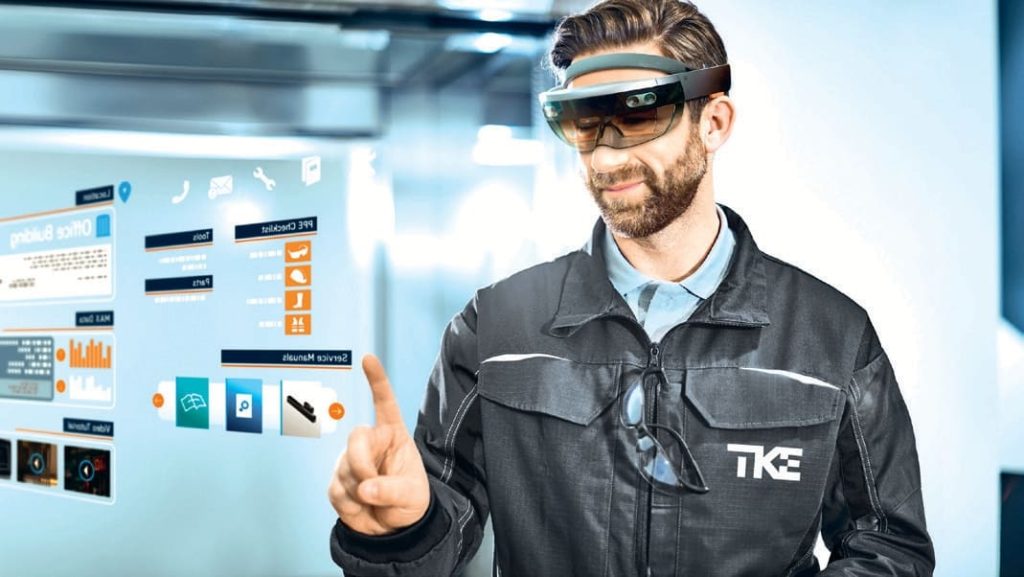
At TK Elevator, we view digitalization as an integral part of our products and services. At the heart of this approach is MAX, one of the world’s first cloud-based elevator IoT platforms. MAX analyzes data from elevators in real time, continuously monitoring parameters such as motor temperature, door movements and usage intensity. This enables the prediction of potential malfunctions before they occur and allows maintenance teams to be directed proactively.
While in traditional maintenance, the condition of systems is often assessed during on-site visits, the data-driven maintenance approach ensures that necessary interventions are carried out at the right time. Reducing unplanned downtime, optimizing service processes, and increasing system availability are among the most tangible benefits that digitalization offers to building users.
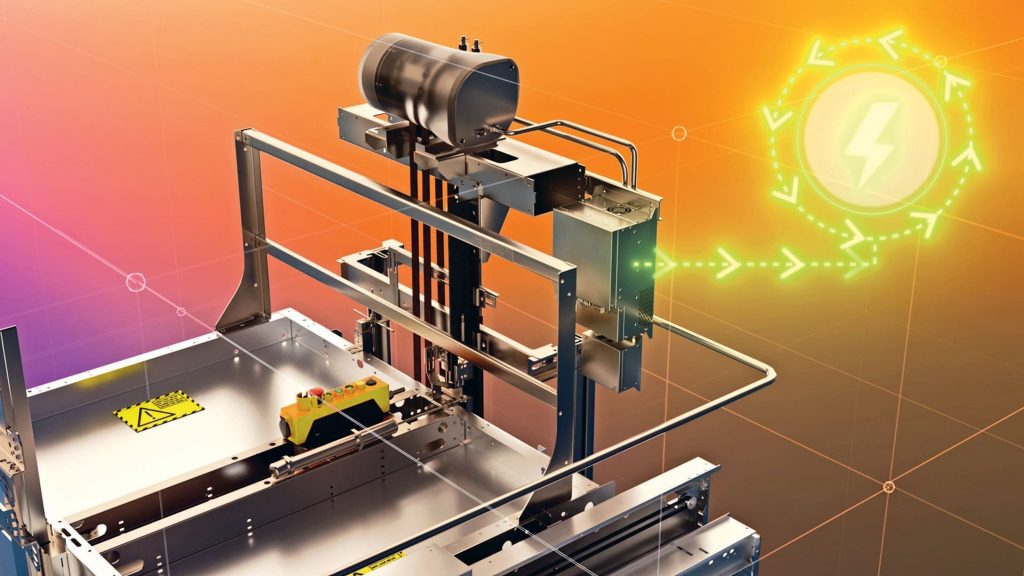
One of the key examples of digital transformation is the EOX platform, developed by TKE using its "born-digital" approach. Designed for low- and mid-rise buildings, EOX enables smarter management of maintenance processes by continuously monitoring key performance data via sensors. At the same time, thanks to energy recovery technologies, it contributes to energy efficiency by feeding energy generated during operation back into the building's grid. These features help digital transformation reach a wider audience, particularly in urban renewal projects and the residential sector.
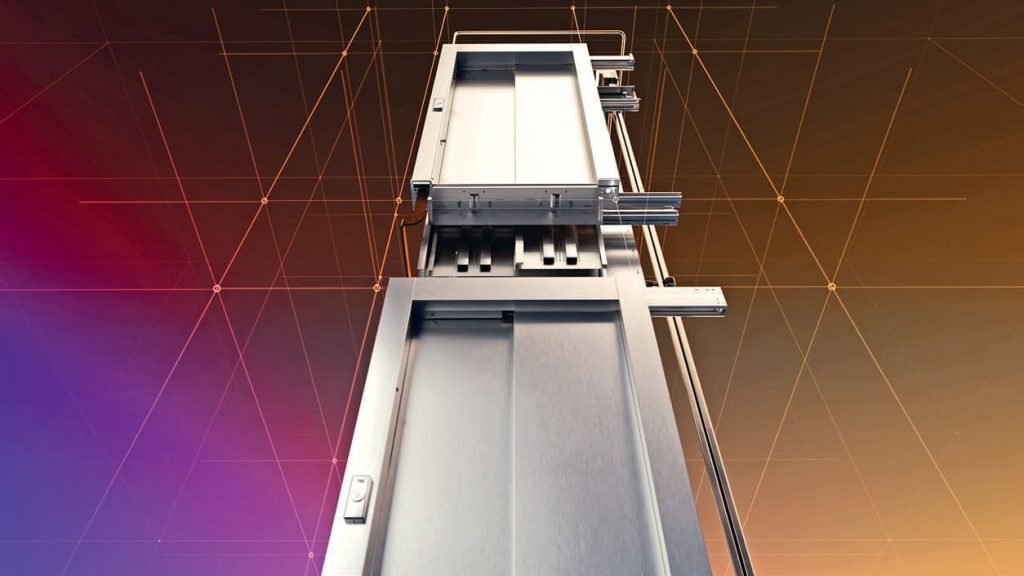
Digital transformation in building mobility is not limited to new products. The modernization of existing systems is also a key part of this transformation. In addition to the MAX IoT platform, TKE aims to make the user experience more personalized and efficient with its AGILE solutions. This approach, which works in harmony with smart building infrastructure, helps the existing building stock adapt to changing user expectations and digital transformation needs.
Integration capabilities within building ecosystems are also becoming increasingly important. The ability of mobility systems to work in tandem with building management systems offers significant advantages in terms of traffic management, energy optimization and operational efficiency. Thanks to customizable APIs, elevators that can integrate with different systems are becoming an integral part of a building's digital intelligence today.
Another key opportunity that digitalization offers the sector is BIM applications. BIM-based workflows enable project stakeholders to coordinate more effectively during design and planning processes. As TKE, we support project processes by providing BIM models and CAD files, contributing to design teams through parametric 3D models compatible with widely used platforms such as ArchiCAD and Revit. With this approach, we help accelerate processes and enhance project efficiency.
We believe that in the coming period, AI-powered analyses, digital twin technologies and data-driven decision-making mechanisms will become more widespread in the field of building mobility. However, the true value of technology lies in its ability to shield users from complexity. The uninterrupted operation of elevators, reduced wait times and optimized operating costs are the direct results of digitalization that reflect on the user experience.
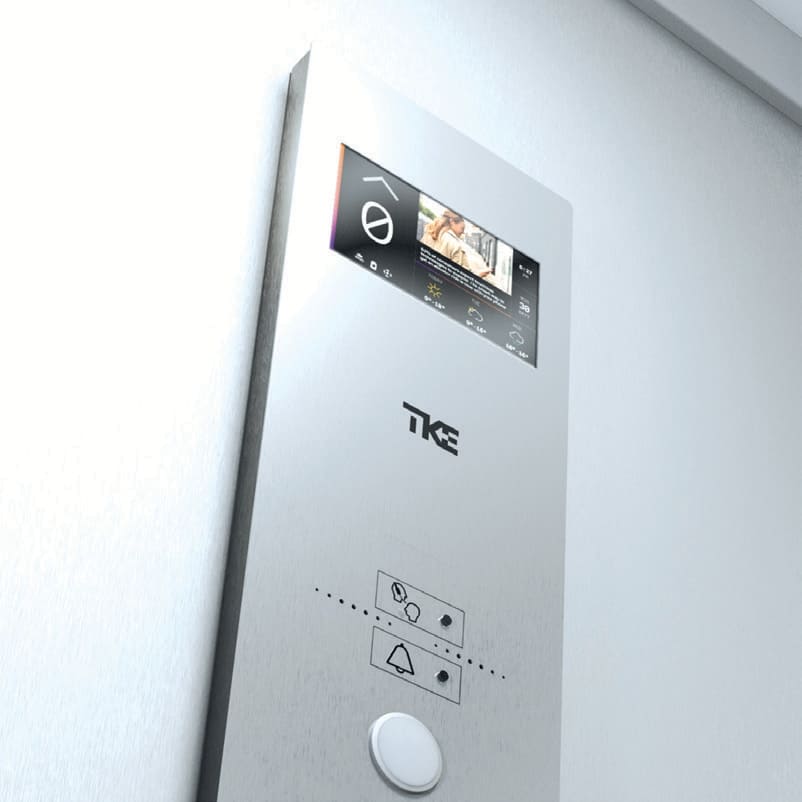
The future of building mobility is taking shape at the intersection of safety, sustainability and digitalization. In the cities of the future, the key to a competitive advantage lies in making buildings more efficient, more sustainable and more livable for people.
At TKE, we continue to develop our engineering expertise, digital technologies and people-centered approach in line with this transformation. We aim to provide smarter, more efficient and more connected mobility solutions for the cities of the future.
MÁS DE LA CATEGORÍA
NOTICIAS DIARIAS