"Un ensemble de puzzles complexes"
By Kathleen Farrel | Conception des bâtiments | Juin 2, 2023
3 min de lecture
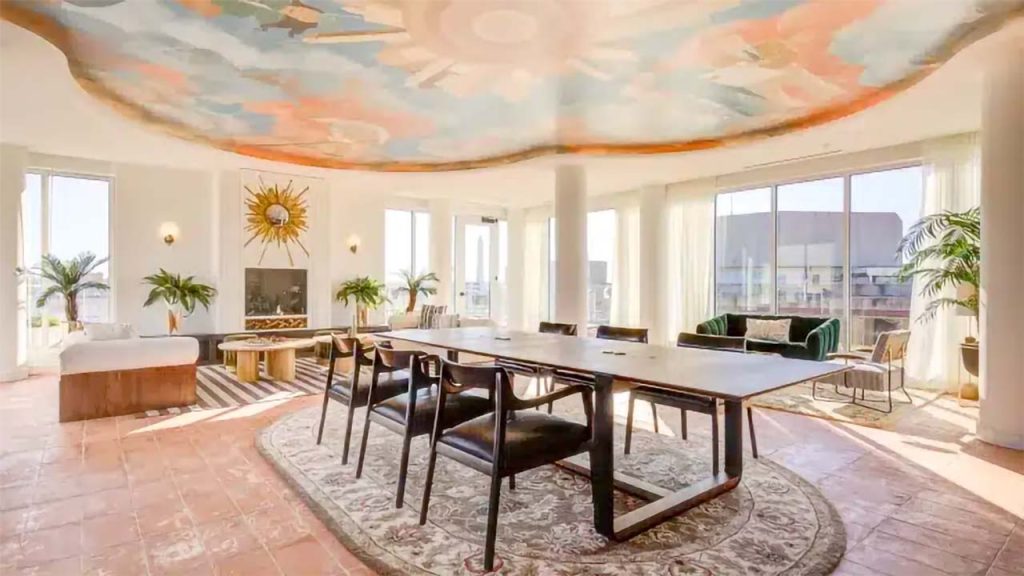
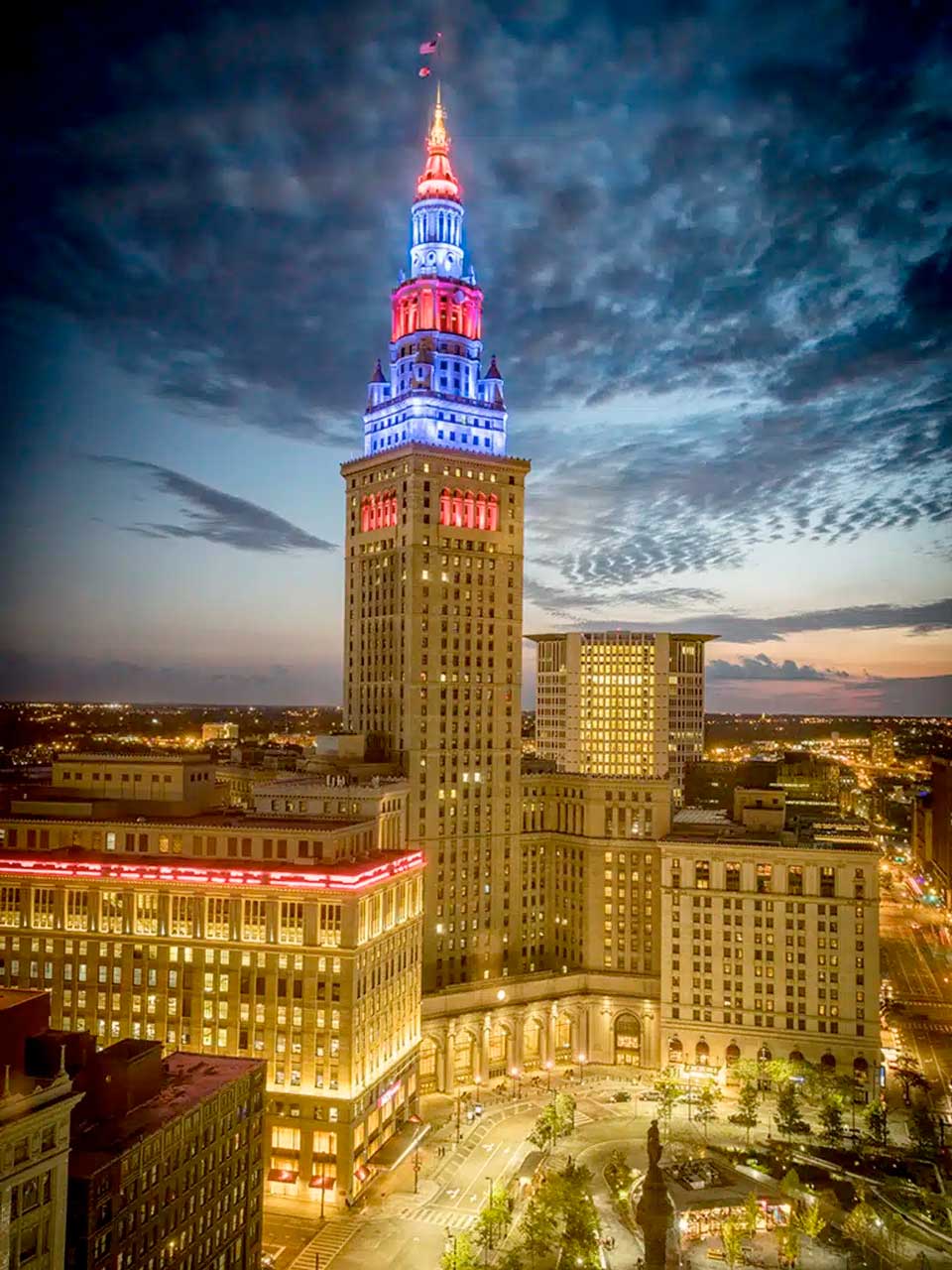
In our post-pandemic landscape, experts have deemed the norm of full-time, in-person working environments "dead," heralding that the "office apocalypse" is nigh. It's true that many companies have switched to remote or hybrid work in recent years. Converting the resulting glut of office space into highly sought-after residential property seems like an easy solution to everyone's problems — but it's not that simple. Emily Badger and Larry Buchanan of The New York Times (NYT) took a deep dive into office-to-housing conversions, which they say is "less like a sweeping fix and more like a set of intricate puzzles."
In their reporting, Badger and Buchanan found that in each conversion "puzzle," one must "solve for local rules that say what counts as a bedroom, for structural columns and elevator shafts that shape where walls go," and factor in construction costs and land prices. Access to fresh air and sunlight is essential, too. Historic buildings, often dating to the early 20th century, make meeting these requirements easier because of how they were designed. Before air conditioning (AC) and modern lighting, functioning windows were needed to keep offices cool and bright. These buildings were prone to have small, rentable office suites that convert to apartment units without too much head-scratching. Economically, it makes sense as modern office tenants are looking for open concepts and newer amenities, resulting in a dip in value (and rent) for older buildings. As apartments, rental prices may exceed those commanded pre-conversion.
Les auteurs soutiennent que les conversions deviennent de plus en plus complexes pour les bureaux construits après la Seconde Guerre mondiale. Les bureaux modernes, avec leurs baies vitrées et leurs plaques de sol profondes (grâce à la climatisation et à l'éclairage fluorescent), ne deviennent pas facilement des appartements. De plus, ces bâtiments sont construits avec plus d'ascenseurs qu'un appartement de la même taille n'en aurait, ce qui ajoute soit des dépenses et/ou de l'espace perdu dans le contexte de la conversion. Les immeubles de bureaux peuvent louer 100 % de leur superficie totale, mais en tant qu'appartements, généralement, seuls 80 à 85 % sont louables. Ajoutez les exigences locales en matière de protection contre les ouragans ou les tremblements de terre, et cela devient encore plus compliqué. Bien que les conversions de bureaux en logements soient loin d'être faciles, elles peuvent en valoir la peine. Les architectes et les développeurs créatifs peuvent surmonter les problèmes pour maximiser l'espace utilisable. Le loyer est sûr d'être cher, mais les villes offrant des incitations aident à rendre certains de ces nouveaux appartements accessibles aux résidents de la classe moyenne et à faible revenu. Le NYT article ends by acknowledging that even with public policy support, these conversions "would not single-handedly solve any city's housing woes or fill all of its office vacancies" and that challenges will only increase as these massive office buildings age.