La 55ª Assemblea Nazionale ANACAM
By Elettra Bilibio | Eventi | Luglio 31, 2026
12 minuti di lettura
ASCOLTA QUESTO ARTICOLO
Held June 17 to 20 at Chia Laguna Resort in Sardinia, the 55th ANACAM National Assembly united Italian lift SMEs, technical experts and European representation in a program addressing safety, standards, digitalization, AI, cybersecurity, training, internationalization and after-sales access. EFESME’s presence reinforced the link between national experience and Brussels advocacy, urging a Think Small First approach. Panels examined the ISO 8100 transition, the new Machinery Regulation coming into force in January 2027, cybersecurity across the lift life cycle, and competitive imbalances in maintenance with proposals such as a SERMI-style secure access. Emphasis on safety culture, European Elevator Safety Day and training for generational renewal framed a sector in transition, committed to competence, cooperation and continuity.
In Sardegna, le PMI italiane, la rappresentanza europea e la competenza tecnica si incontrano.
di Elettra Bilibio
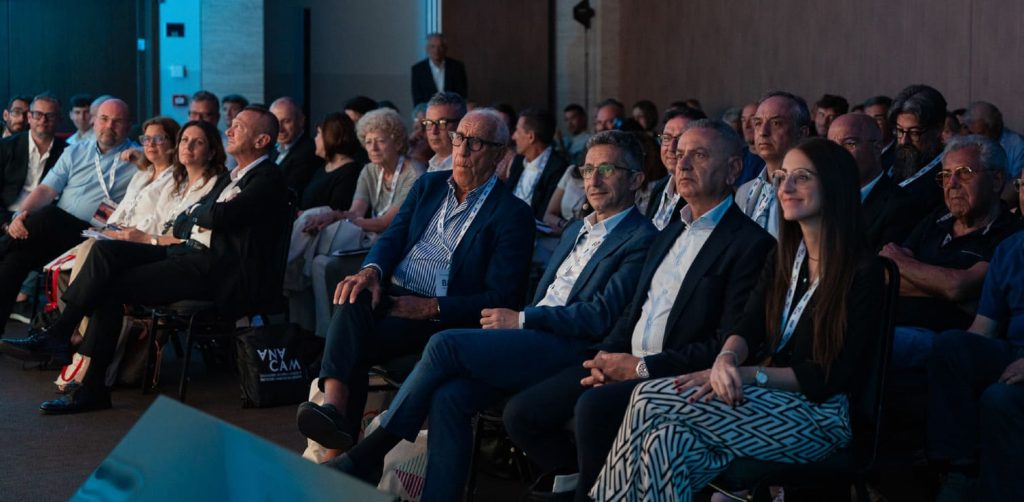
The 55th ANACAM National Assembly took place on June 17-20 at the Chia Laguna Resort in Sardinia, Italy, one of the Mediterranean’s most evocative settings. The location offered the usual combination that makes ANACAM assemblies distinctive: a strong technical and associative program, a high level of participation and the possibility for companies, experts and partners to meet in an atmosphere of both work and exchange.
The assembly works opened on June 18, following the arrival day, and immediately confirmed the breadth of the issues currently shaping the Italian and European lift sectors. Safety, standards, digitalization, AI, cybersecurity, training, internationalization and after-sales access all found space in a program that reflected the daily reality of lift small and medium-sized enterprises (SMEs): companies that must follow regulatory and technological change closely while continuing to provide reliable services in local markets.
Per la Federazione Europea delle Piccole e Medie Imprese Ascensoriste (EFESME), l'evento ha rappresentato anche un'importante opportunità per rinsaldare il legame tra la dimensione nazionale e quella europea della rappresentanza. ANACAM ha da tempo svolto un ruolo decisivo all'interno della Federazione, portando l'esperienza delle PMI italiane nei dibattiti europei e internazionali. Questo legame è stato evidente durante le due giornate di lavoro, grazie al contributo istituzionale e politico del Presidente EFESME Massimo Bezzi e agli interventi tecnici degli esperti EFESME Paolo Tattoli, Ivan Ferrarini, Tiziano Caresani e Marco Cogliati.
18 giugno: Apertura istituzionale
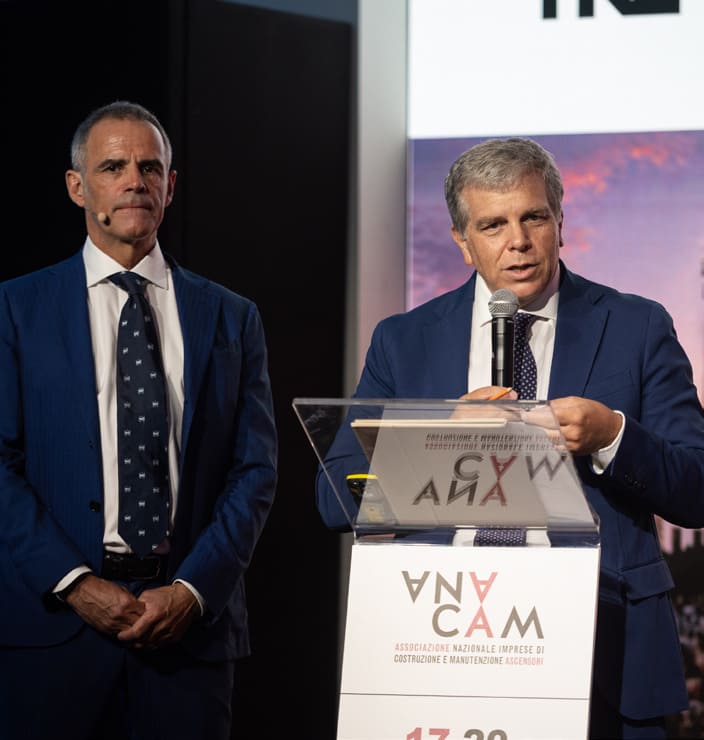
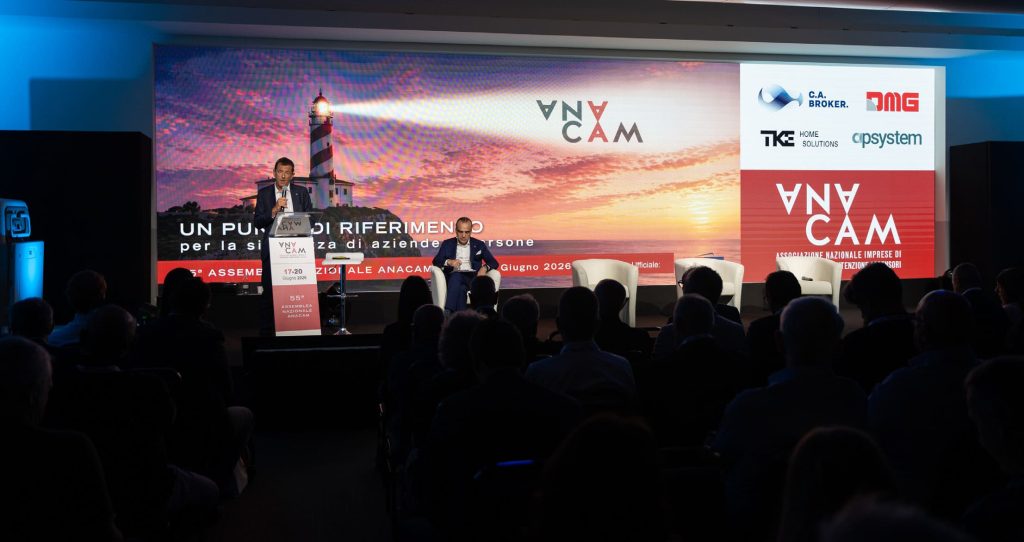
The opening session began with the welcome of Omero Campus, president of ANACAM Sardinia, who greeted participants and introduced the rich program prepared for the assembly. ANACAM National President Piero Mosanghini then thanked the sponsors, the board and all those involved in the organization, underlining the variety of the themes selected for discussion: alongside technical and regulatory matters, the program also addressed taxation, training, European affairs, standardization, marketing and generational renewal.
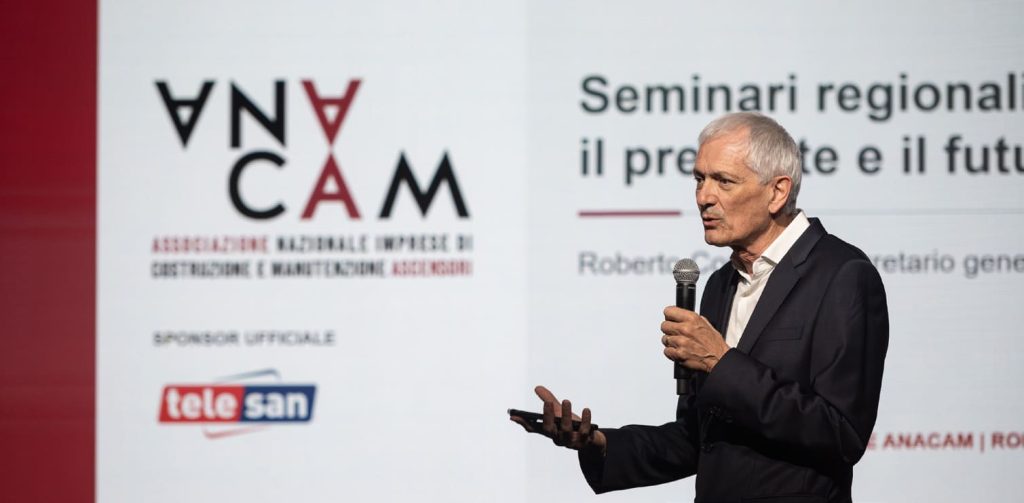
ANACAM Secretary General Roberto Corradini presented the association’s work across Italy, recalling the regional seminars organized throughout the country and the direct contact with companies that allows the association to collect questions, needs and practical concerns from its members. This attention to the daily reality of companies was a recurrent thread of the assembly. The same associative perspective was also reflected in the interventions of Michele Mazzarda, president of ANACAM Service, and Sofia Vergati, president of ANACAM Giovani, who emphasized the importance of involving younger professionals and supporting generational change both within companies and within the association.
Il discorso di Bezzi ha inserito queste discussioni nazionali in un contesto europeo più ampio. Ha ricordato la presenza di EFESME nei principali tavoli tecnici europei e internazionali e nei pertinenti gruppi di esperti della Commissione europea, nonché il supporto ricevuto da Small Business Standards (SBS) su questioni tecniche e da SMEunited per la rappresentanza politica. Per Bezzi, il principio "Pensare prima alle piccole imprese" deve rimanere centrale quando le istituzioni e gli organismi di normazione elaborano nuove norme che avranno un impatto sulle PMI, non solo nel settore degli ascensori.
The speech also looked back at EFESME’s 20th anniversary, celebrated in 2025 through events in several European countries. The milestone was not only celebratory, but also a reminder of the Federation’s mission to provide high-quality representation for lift SMEs and to ensure that their voice is heard in Brussels and in technical standardization. Bezzi underlined the fundamental role of ANACAM in this history, both in the past and in the future of EFESME’s activities.
Looking ahead, Bezzi focused on the evaluation of the Lift Directive and the work carried out with SBS to address the competitive imbalance that still affects the maintenance market. Access to technical information, tools, instructions and components remains a key issue for SMEs active in after-sales services, crucial points recognized by the evaluation itself. Bezzi also addressed AI and cybersecurity, topics that may already be concrete for large manufacturers but can still appear difficult or distant for smaller companies. His message was clear: Innovation must become an opportunity for lift SMEs, not an obstacle created by disproportionate costs or unclear obligations.
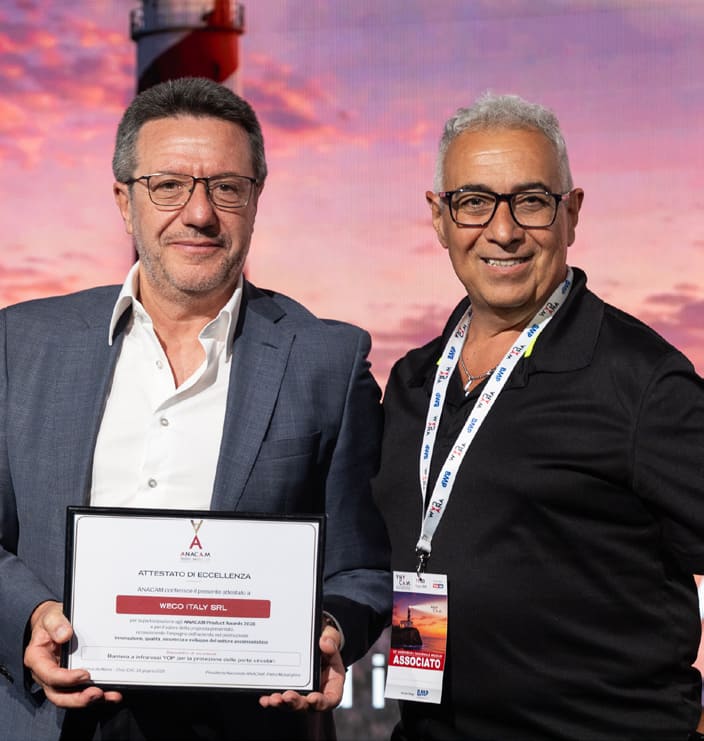
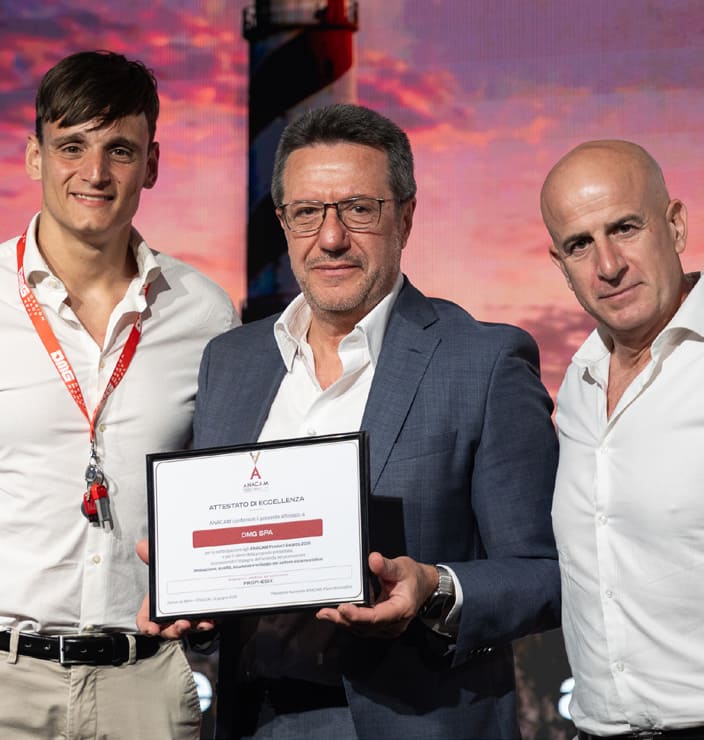
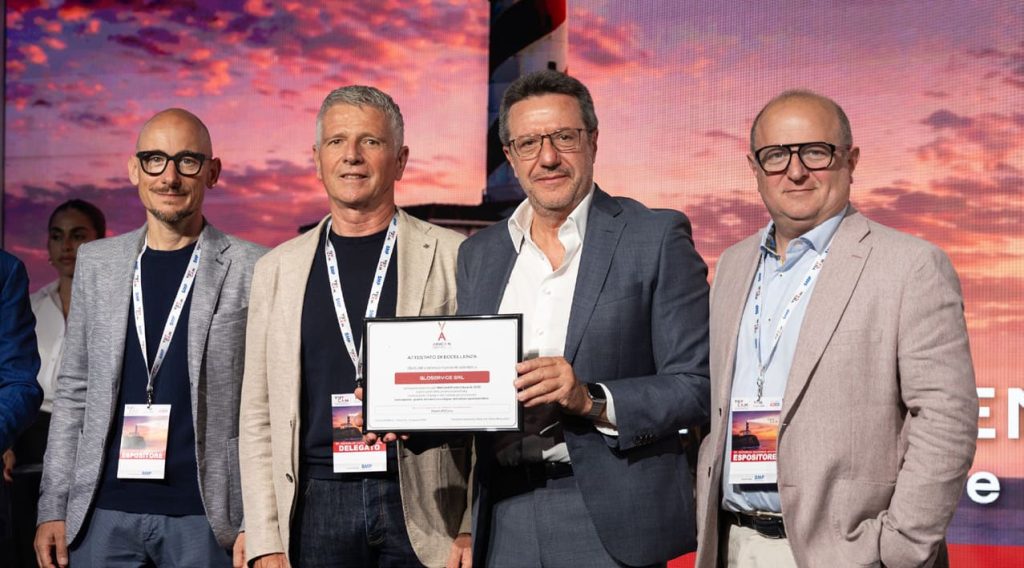
The morning also included a discussion on financial matters, a preview of the future Museum of the Elevator by ANACAM Vice President Andrea Codebò and the presentation of certificates of excellence for the ANACAM Product Awards 2026. The museum project offered a different, cultural perspective on the sector, inviting participants to read the elevator not only as a machine, but also as part of the history of mobility, architecture and social life.
La cerimonia di premiazione degli ANACAM Product Awards 2026 ha riconosciuto l'eccellenza di numerose aziende.
International Fairs and Market Perspectives
L'Assemblea si è poi soffermata sulle fiere internazionali. Sono state presentate le sedi di interlift 2027 a Norimberga, in Germania; Smart Lift & Mobility World 2028 a Mumbai, in India; e ISEE 2026 a Nuova Delhi, in India, con i relativi rappresentanti e organizzatori, insieme alle testimonianze dirette di due PMI ANACAM che hanno partecipato al World Elevator & Escalator Expo di Guangzhou, in Cina, e a ELEVEX Konya, in Turchia.
Per le PMI italiane, questa parte dell'assemblea ha evidenziato l'importanza di guardare oltre i confini nazionali. Le fiere internazionali sono luoghi in cui le aziende possono osservare le tendenze di mercato, comprendere nuove opportunità e valutare come sta cambiando il settore globale degli ascensori. La discussione su India, Cina, Turchia e Germania ha confermato che l'internazionalizzazione rimane una dimensione sempre più rilevante, anche per le aziende fortemente radicate nei mercati locali di manutenzione e installazione.
Safety as a Shared Culture
Il pomeriggio del 18 giugno è stato dedicato alla sicurezza, con la moderazione di Mazzarra. Il primo modulo si è concentrato sulla cultura della sicurezza e sulle iniziative di ANACAM, inclusa la presentazione della campagna di sicurezza dell'associazione e dei suoi risultati in termini di visibilità e impatto. La comunicazione è stata presentata come parte essenziale della cultura della sicurezza: le conoscenze tecniche devono raggiungere i lavoratori, le aziende, gli utenti e il pubblico in generale.
Bezzi then presented the European Elevator Safety Day (EESD) 2026, organized with the European Lift Association on April 28, already the World Day for Safety and Health at Work. The initiative was described as a significant example of cooperation on a topic that concerns the entire lift sector. Safety involves workers and users, companies and institutions, technical processes and public awareness. The EESD is intended to become an annual appointment with European coordination and national-level activities promoted by member associations.
The following module addressed risk management, accidents, cybersecurity, AI and insurance coverage. Cogliati focused on cybersecurity as a new area of risk for lift companies. As installations become increasingly connected, cyber risks can no longer be treated as distant or abstract. Cogliati connected the subject to the evolving European legislative framework, including the Cyber Resilience Act, the Data Act, the AI Act and the new Machinery Regulation, all of which require lift SMEs to understand how digital risks interact with safety and compliance.
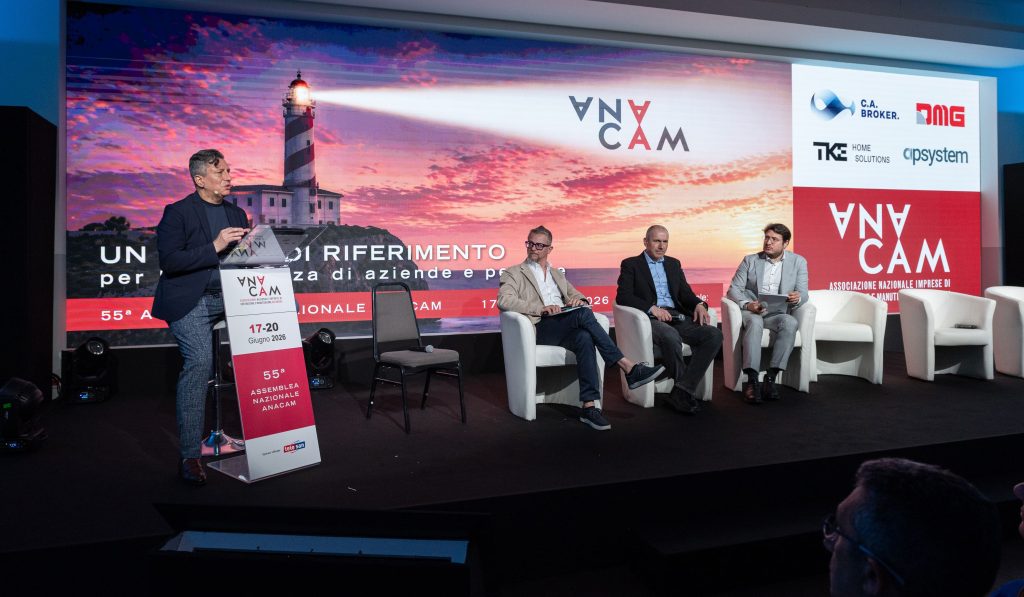
L'ultimo modulo sulla sicurezza della giornata ha ampliato la prospettiva sulla sicurezza nei cantieri edili, sui controlli e le ispezioni, sul nuovo Accordo Stato-Regioni sulla formazione obbligatoria, sul Decreto Legge sulla Sicurezza, sulla documentazione tecnica e sui rischi affrontati da ingegneri e organismi notificati durante le attività di verifica. Insieme, questi moduli hanno confermato che la sicurezza non è un tema unico, ma un sistema di responsabilità che si estende dall'organizzazione aziendale alla documentazione tecnica, dalla formazione all'assicurazione, e dal cantiere al passeggero.
La serata si è conclusa con un evento a bordo piscina, la cerimonia di premiazione degli ANACAM Product Awards 2026 e l'esibizione del duo comico Ale & Franz, che ha aggiunto quella dimensione conviviale che da sempre caratterizza gli incontri nazionali di ANACAM.
19 giugno: Standard in movimento
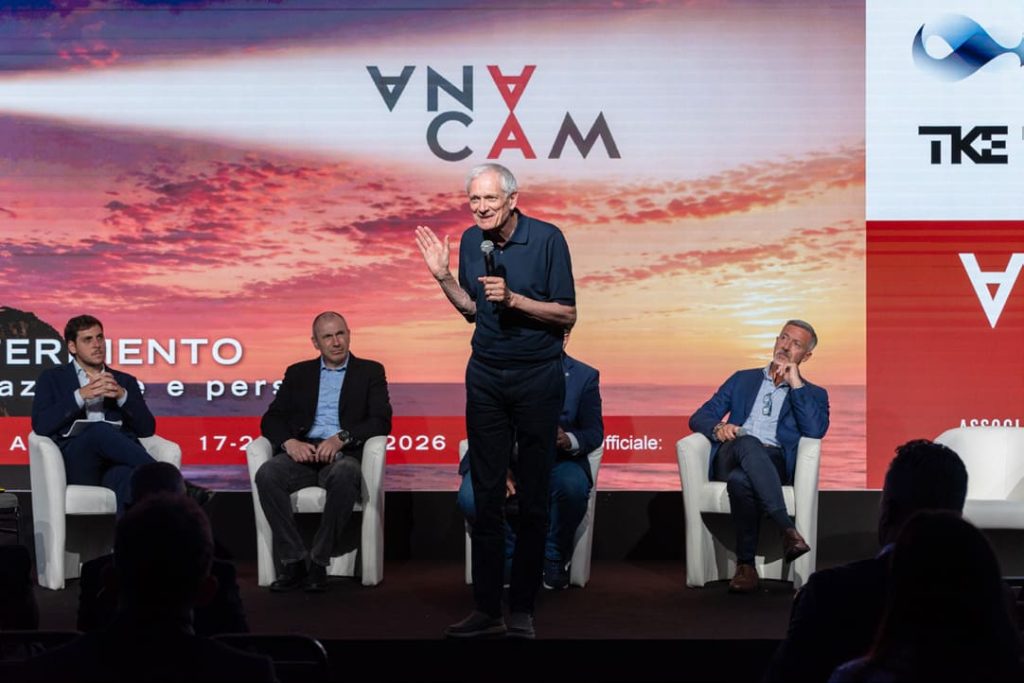
The second day opened with a technical-regulatory roundtable moderated by Alessandro Cattelan. The first module focused on evolving standards, beginning with ISO 8100-1 and ISO 8100-2. Tattoli presented the transition from EN 81-20 and EN 81-50 toward the ISO 8100 series as a historic step for the lift sector. Although some markets may show resistance, the interest in these standards is global. Their future role in providing presumption of conformity under the new Machinery Regulation makes them particularly important for companies and notified bodies (NBs) preparing for the next regulatory phase.
The panel also addressed the cultural and technical consequences of the transition. New standards require not only formal adaptation, but also a different way of approaching design, certification and company processes. Among the technical aspects discussed were ropes and suspension systems, as well as the costs connected to design adaptation, production, staff training and supplies. ANACAM announced dedicated training courses on ISO 8100-1 and ISO 8100-2 to support companies in this transition.
Ferrarini si è concentrato sulle interfacce degli edifici e sui cambiamenti previsti dalla norma ISO 8100. La discussione ha evidenziato la preferenza della Commissione Europea per le norme incentrate sul prodotto e la necessità di chiarire le responsabilità tra il prodotto ascensore e l'ambiente edilizio. Questa questione è particolarmente rilevante per le PMI del settore ascensoristico, che spesso devono gestire il rapporto pratico tra l'installazione, gli amministratori dell'edificio e i requisiti tecnici del sito.
Cogliati brought the debate back to cybersecurity, stressing that the issue must be translated into the concrete reality of the lift sector. Cybersecurity must cover the entire life cycle of the lift, from design and installation to maintenance, updates and long-term operation. This requires trained personnel, awareness and internal processes capable of keeping pace with connected technologies.
The second part of the module addressed the new Machinery Regulation, applicable beginning January 20, 2027, and the standards EN 81-41 and EN 81-42, with contributions from Tattoli and Caresani.
Il Regolamento introduce nuovi requisiti essenziali in materia di salute e sicurezza, legati alla sicurezza informatica, all'intelligenza artificiale, al tracciamento dei dati e alle modifiche del software. La norma EN 81-41:2025, sebbene recente, non affronta tutti questi elementi ed è ancora basata sulle norme EN 81-20 e EN 81-50. Dal 2027 in poi, affidarsi esclusivamente ad essa non sarà sufficiente a soddisfare tutti i nuovi requisiti, rendendo essenziale il dialogo con gli organismi normativi. Caresani ha inoltre ricordato che la Guida al Regolamento Macchine è ancora in fase di elaborazione, in un processo lungo e complesso che coinvolge esperti del settore.
Dopo la pausa caffè, il programma ufficiale è proseguito con un modulo dedicato a montascale, piattaforme elevatrici e comunicazione di emergenza, alla revisione della norma EN 81-40, alla comunicazione di emergenza bidirezionale e alle responsabilità assicurative. Questa sessione ha integrato il più ampio dibattito sulla standardizzazione, concentrandosi su apparecchiature e servizi cruciali per l'accessibilità e per molte PMI del settore ascensoristico operanti sul mercato italiano.
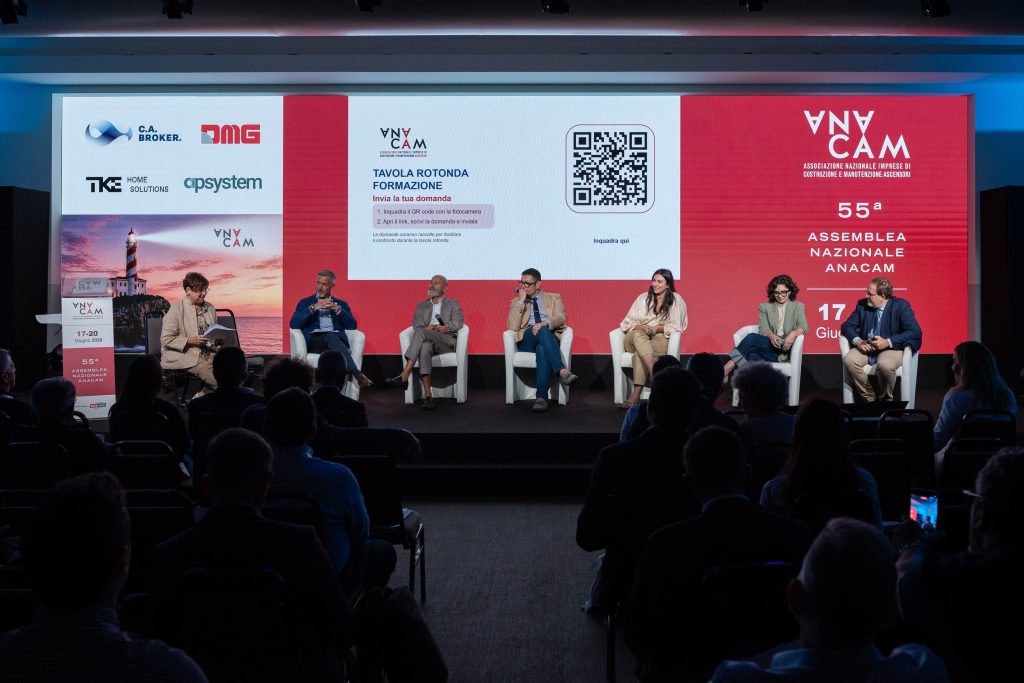
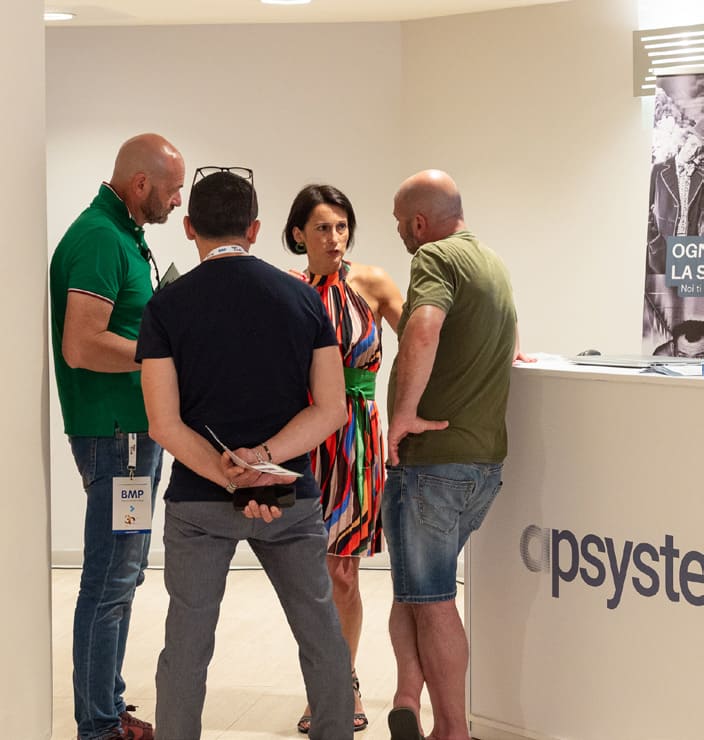
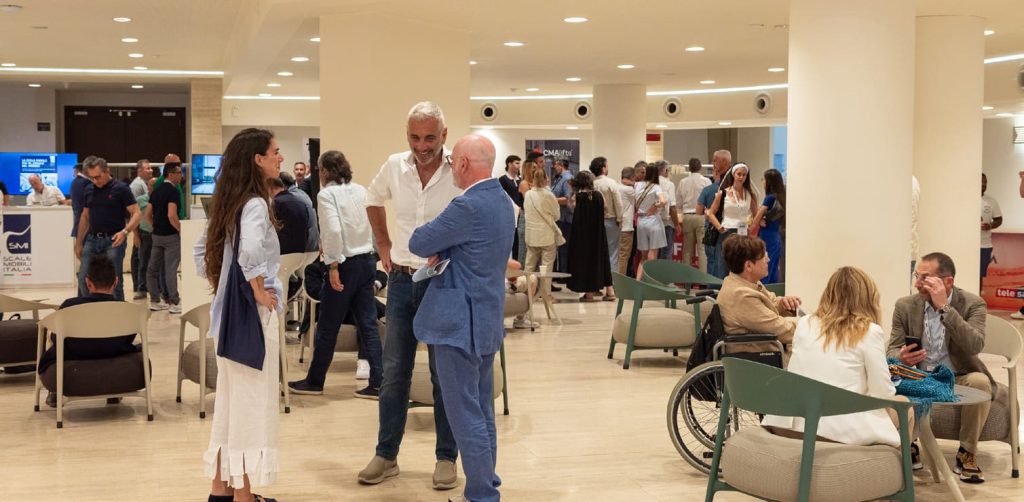
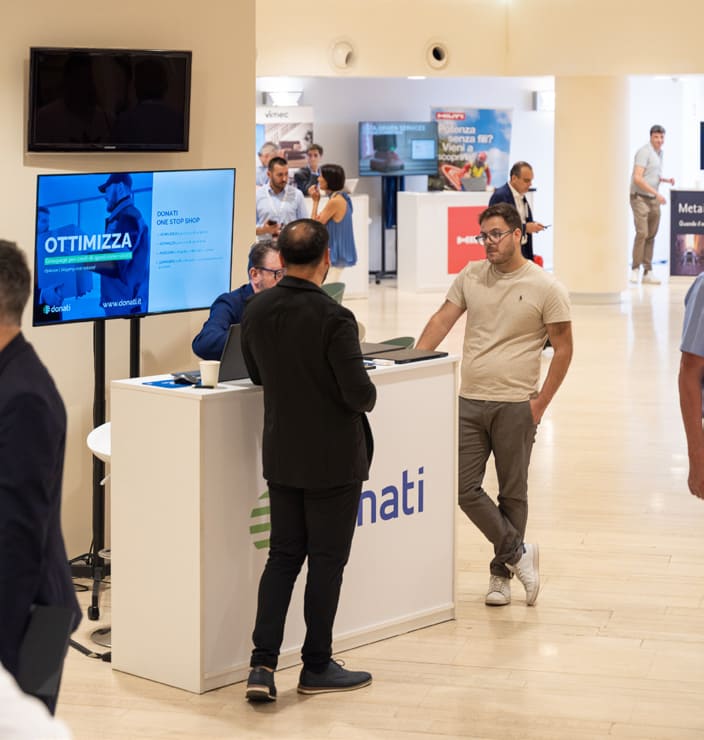
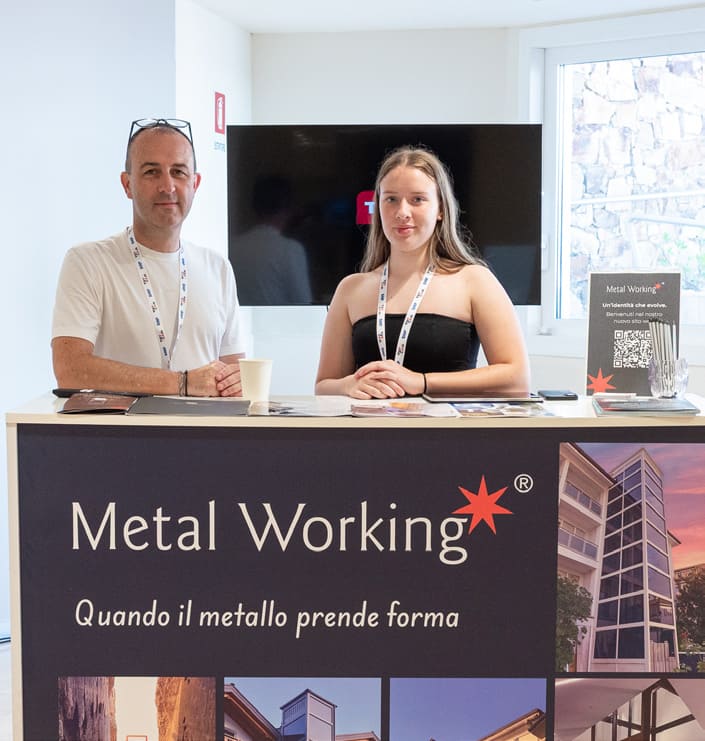
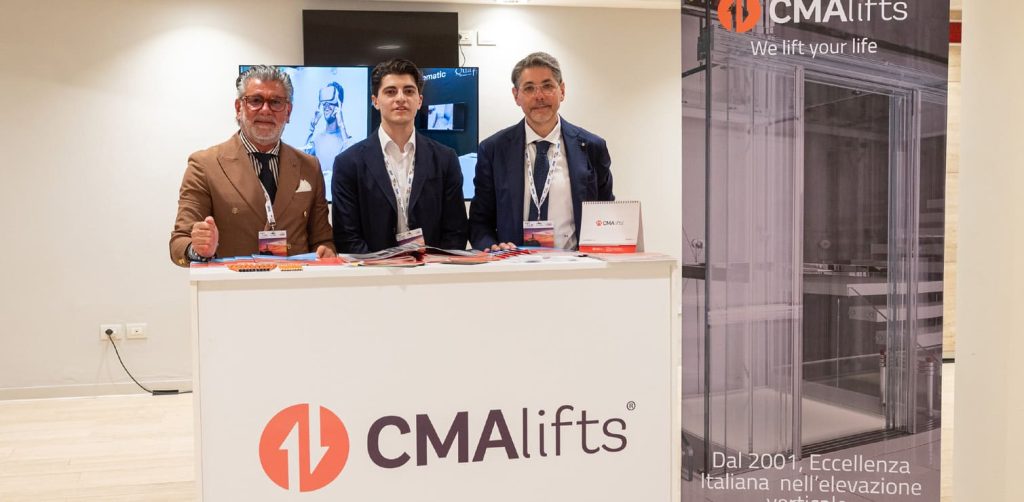
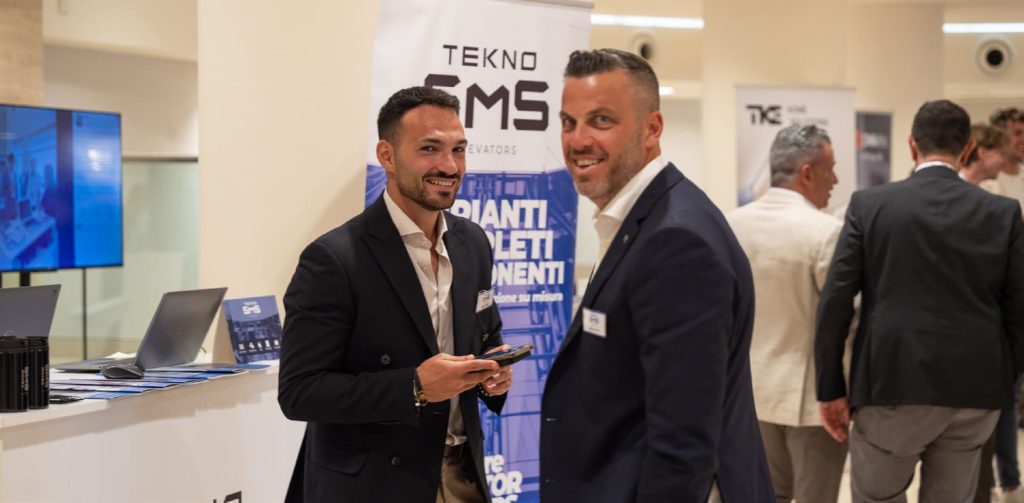
In Sardinia, Italian SMEs discussed European legislation, international standards, cybersecurity, safety, fairs, accessibility, training and generational renewal.
Access to After-Sales Services
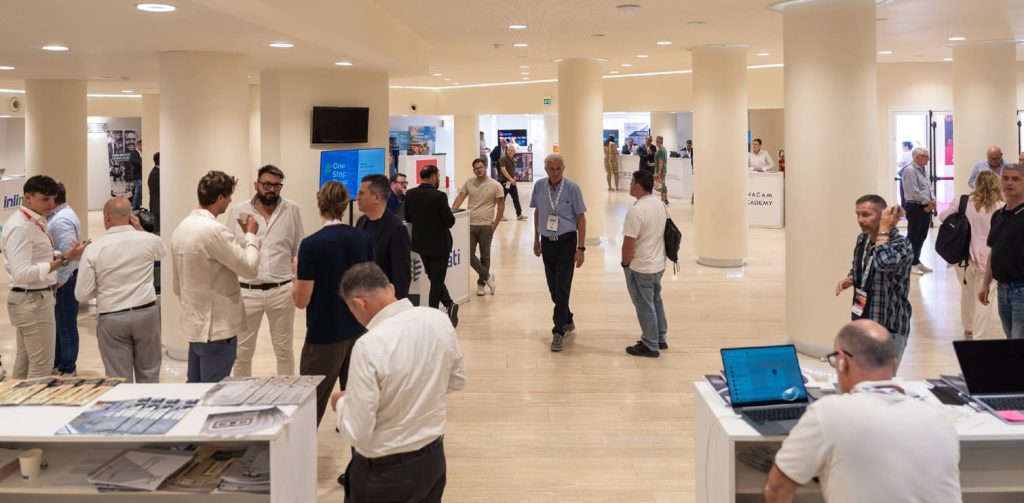
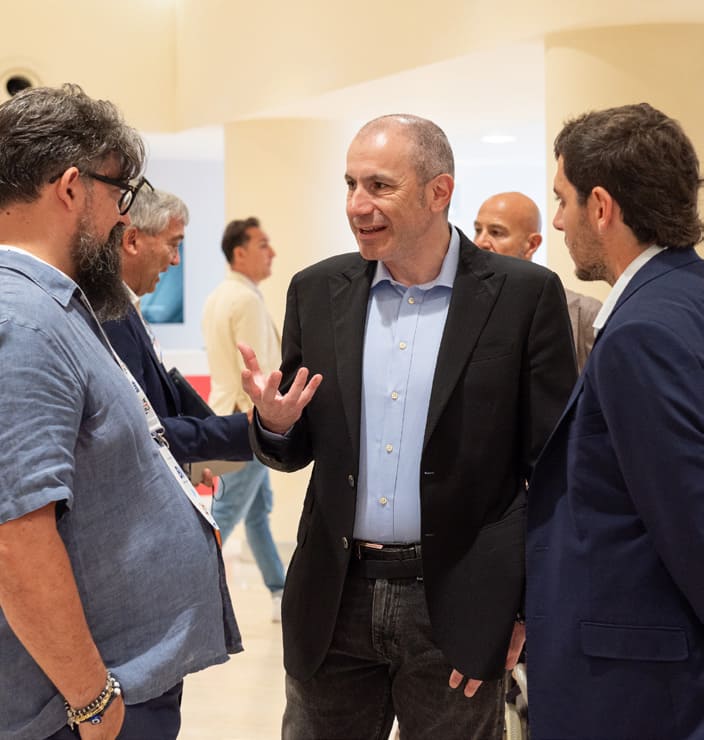
The next morning’s module addressed access to data and installations for after-sales services, with interventions from Cogliati, Nicola Imbimbo and Andrea Raffaelli of SBS. For EFESME and ANACAM, this is one of the most strategic topics for independent lift SMEs.
Cogliati ha sottolineato che l'accessibilità deve essere considerata da diverse prospettive: accesso tecnico, diritto alla riparazione, accesso ai dati, accesso ai pannelli di controllo e proprietà delle informazioni generate dai sistemi connessi.
L'attuale squilibrio nel mercato della manutenzione rimane una delle principali preoccupazioni. Le restrizioni su strumenti, istruzioni, componenti o accesso digitale possono limitare la capacità delle aziende indipendenti di fornire servizi di manutenzione e riparazione, rendendo al contempo più difficile per i proprietari cambiare fornitore di servizi di manutenzione.
Raffaelli placed the debate in the context of the European Commission’s 2026 evaluation of the Lift Directive, which confirmed the long-standing problem of competitive imbalance in the maintenance market. He recalled the joint SBS-EFESME work on possible solutions and presented the SERMI system used in the automotive sector as a model worth exploring for secure access by certified independent operators, while noting that an appropriate legislative basis would be needed for the lift sector.
Training, Generations and the Future of the Sector
The afternoon of June 19 was dedicated to training, moderated by Alessandra Recchia. Although different from the more technical morning sessions, this part of the program addressed another decisive challenge for lift SMEs: attracting and retaining talent. The first module focused on welfare, communication, generational dialogue and the role of young people within companies and associations. It continued the reflection introduced by ANACAM Giovani, showing that the future of the sector depends not only on standards and technologies, but also on people.
The following modules explored training and safety, while the final module addressed new learning languages, apprenticeships and digital tools.
Questa enfasi sulla formazione ha concluso il programma tecnico con un messaggio proiettato verso il futuro. Il settore ha bisogno di regole efficaci, di standard comprensibili e applicabili anche per le PMI e di un accesso equo ai mercati e alle tecnologie. Ma ha bisogno anche di nuovi tecnici, nuovi imprenditori e nuove forme di comunicazione in grado di presentare la professione di installatore di ascensori come moderna, qualificata ed essenziale.
The 55th ANACAM National Assembly therefore offered a complete picture of a sector in transition. In Sardinia, Italian SMEs discussed European legislation, international standards, cybersecurity, safety, fairs, accessibility, training and generational renewal. EFESME’s presence throughout the event confirmed the value of connecting national experience with European representation. For lift SMEs, this connection is not theoretical: It is one of the ways in which their daily challenges can be transformed into technical positions, political messages and concrete proposals.
As the assembly closed and participants moved to the all-white, final gala dinner by the sea, the message was one of continuity and responsibility. The lift sector is changing quickly, but its strength remains rooted in the same elements that have always defined it: technical competence, proximity to users, associative cooperation and the capacity of lift SMEs to adapt without losing their identity.



ALTRO DALLA CATEGORIA
NOTIZIE DEL GIORNO