
ASCOLTA QUESTO ARTICOLO
Elevators and escalators are evolving into intelligent mobility platforms that integrate sensors, IoT, cloud computing and AI to optimize operations, improve passenger flow and enhance occupant experience. Expanded VT capabilities now include destination control systems for smarter traffic management, predictive maintenance through continuous condition monitoring, touchless and personalized access via mobile, voice and biometrics, and energy-saving measures such as regenerative drives and intelligent standby. Accessibility features and inclusive design are gaining prominence, while integration with building management, security and occupancy systems positions VT as a strategic digital asset. Rapid urbanization and retrofits, especially in India, underscore demand for upgrades that boost safety, efficiency, sustainability and seamless building experiences.
Migliorare l'esperienza complessiva degli occupanti della struttura
del Dott. Malini Saba
images by Gagandeep Kaurprocess
For most people, elevators are an afterthought. They step in, select a floor and expect to arrive safely, comfortably and without delay. Yet behind that seemingly simple journey lies one of the most dynamic segments of the built environment.
Today, the vertical-transportation (VT) industry is undergoing a remarkable transformation. Driven by advances in digital technology, sustainability initiatives, urbanization and evolving user expectations, elevators and escalators are becoming far more than mechanical systems that move people from one level to another. They are evolving into intelligent mobility solutions that interact with buildings, optimize operations and enhance the overall occupant experience.
This transformation is best described as a spectrum expansion. The scope of VT technology is broadening beyond transportation alone to encompass connectivity, data analytics, energy management, accessibility and smart building integration. As cities grow taller and smarter, the role of VT systems is expanding in parallel.
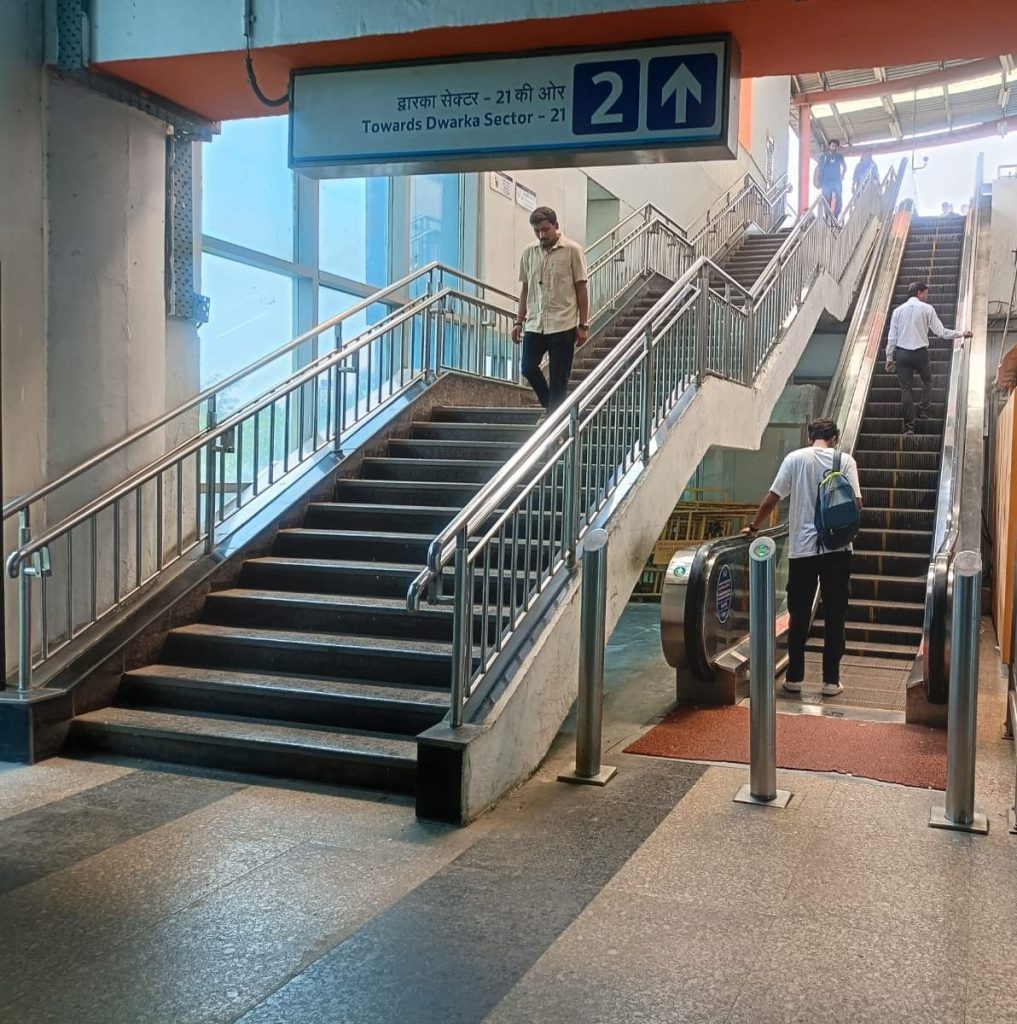
The Rise of Intelligent Elevators
The elevator industry's journey mirrors the broader digital transformation occurring across virtually every sector.
Advances in sensors, cloud computing, Internet of Things (IoT) connectivity and AI have enabled elevators to collect and process vast amounts of operational data. Information relating to traffic patterns, motor performance, door cycles and passenger flow can now be monitored in real time.
This intelligence allows building operators to gain deeper insights into system performance while enabling more efficient management of VT assets. Rather than functioning as isolated pieces of equipment, elevators are becoming active participants in a building's digital ecosystem.
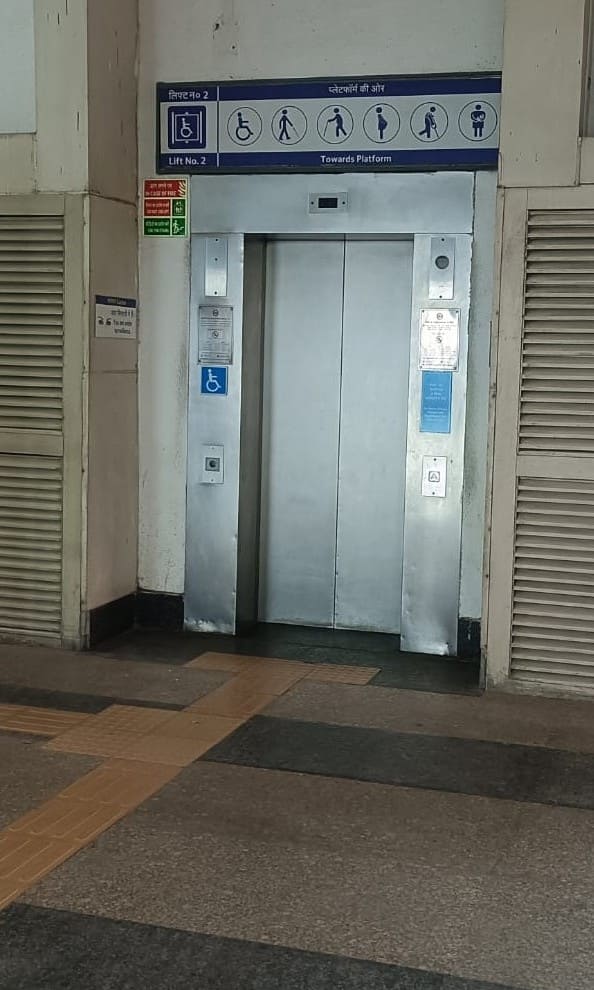
AI-driven analytics are also helping optimize dispatching strategies based on traffic demand. By learning from usage patterns, systems can improve efficiency during peak periods and reduce passenger waiting times.
In an era where smart buildings are becoming the norm rather than the exception, intelligent elevators are rapidly emerging as a key component of connected infrastructure.
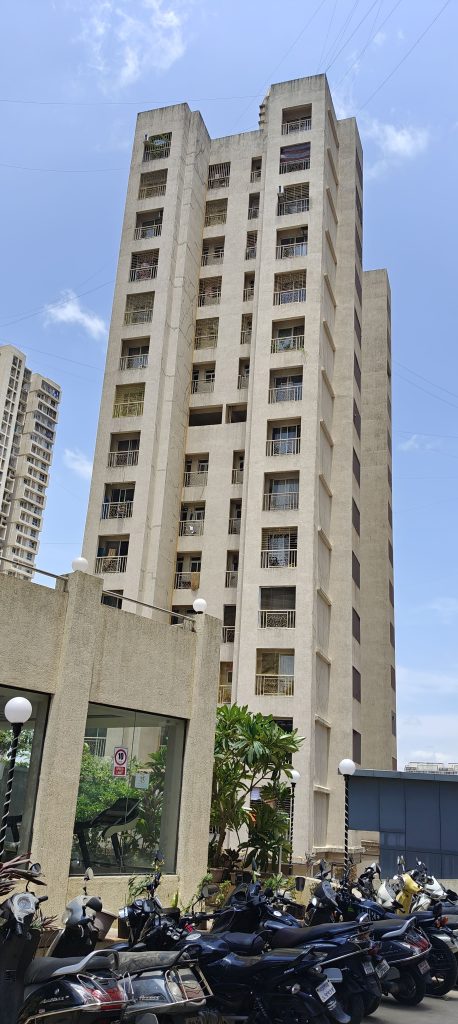
Destination Control: Smarter Traffic Management
As buildings become taller and occupancy levels increase, efficient passenger movement becomes increasingly important.
Destination Control Systems (DCS) represent one of the most significant advancements in traffic management. Instead of selecting a floor after entering the elevator, passengers register their destination before boarding. The system then groups passengers traveling to similar floors and assigns them to the most suitable elevator car.
The benefits are substantial. Fewer stops, reduced travel times and improved handling capacity contribute to a more efficient user experience, particularly in high-rise commercial buildings.
For developers and facility managers, DCS offers a practical solution to one of modern urban life's persistent challenges: moving large numbers of people quickly and efficiently. After all, few experiences test a commuter's patience quite like an elevator that seems determined to stop at every floor.
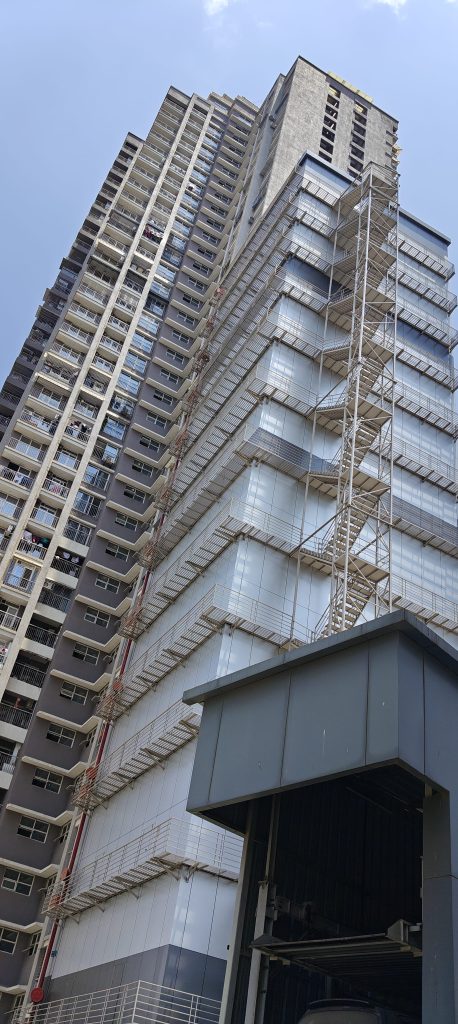
Manutenzione predittiva: da reattiva a proattiva
Maintenance practices are also being redefined by digital technology. Traditionally, elevator maintenance relied on scheduled inspections and reactive interventions. While effective, this approach often identified issues only after wear or malfunction became evident.
Today, predictive maintenance is changing the paradigm.
Using IoT-enabled sensors and advanced analytics, VT systems can continuously monitor the condition of critical components such as motors, controllers, brakes and doors. Any deviation from normal operating behavior can trigger alerts, allowing technicians to intervene before a breakdown occurs.
The advantages are significant. Predictive maintenance helps reduce downtime, improve equipment reliability, extend asset life and lower long-term maintenance costs. For building owners and service providers alike, the anticipation of problems before they occur is becoming a valuable competitive advantage.
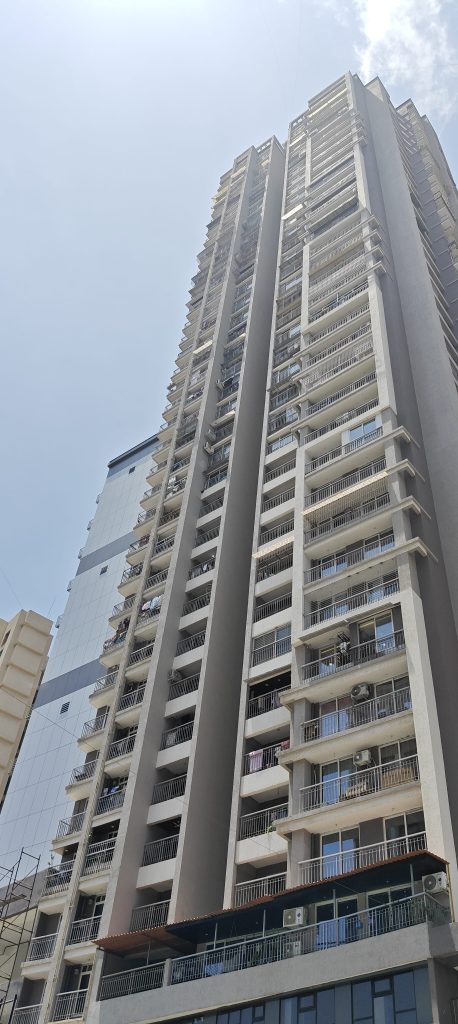
Creating Seamless Passenger Experiences
User expectations are changing, and VT systems are evolving to meet them. The demand for touchless and personalized experiences has accelerated the adoption of technologies such as mobile applications, QR-code access, voice controls and facial recognition systems.
Passengers can increasingly interact with elevators through their smartphones, enabling them to call an elevator, gain authorized access and navigate buildings with greater convenience.
These innovations are about more than reducing physical contact. They reflect a broader shift toward frictionless mobility experiences. Much like other aspects of modern life, the best technology is often the technology that works so seamlessly users barely notice it.
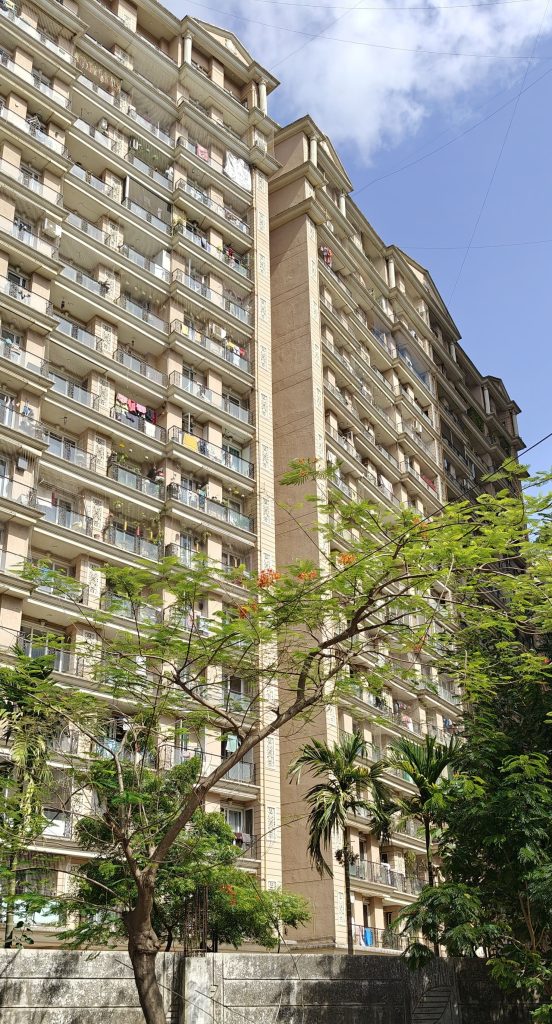
La sostenibilità è al centro dell’attenzione
Sustainability has become one of the defining priorities for the built environment, and the VT industry is responding with a range of innovative solutions.
Modern elevators are significantly more energy-efficient than their predecessors. Regenerative drive systems, LED lighting, intelligent standby modes and lightweight materials are helping reduce energy consumption without compromising performance.
Regenerative technology is particularly noteworthy. By capturing excess energy generated during elevator operation and feeding it back into the building's electrical system, these solutions contribute to overall energy efficiency and sustainability goals.
As developers increasingly pursue green building certifications and governments strengthen environmental standards, energy-efficient VT systems are transitioning from desirable features to essential project requirements. The future elevator must not only move people efficiently, but it must do so responsibly.
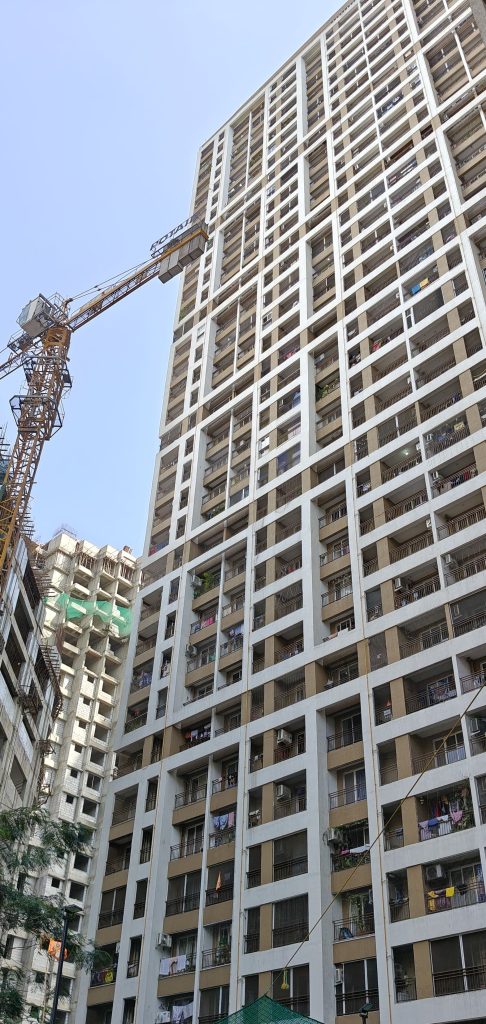
Ampliare l'accessibilità e l'inclusività
Another pivotal dimension of VT spectrum expansion is accessibility. Contemporary buildings serve increasingly diverse user groups, and VT systems are playing a critical role in ensuring equitable access for all occupants. Features such as braille-enabled controls, voice announcements, enhanced visual indicators, larger cabin configurations and intuitive user interfaces are becoming standard elements of contemporary design.
The industry’s focus is gradually shifting from regulatory compliance toward genuine inclusivity. The objective is not merely to accommodate users with different needs, but to empower them with a safe, independent and comfortable mobility experience. In many ways, accessibility is becoming a measure of how effectively technology serves people.
Elevators in the Smart Building Ecosystem
Perhaps the most profound shift is the integration of VT systems within broader smart building frameworks. Elevators today increasingly communicate with building management systems, security networks, access control platforms and occupancy analytics tools. This interconnected environment enables more efficient operations and improved coordination across building functions.
For example, access credentials can automatically authorize floor access and summon elevators. Traffic data can inform occupancy planning. Emergency systems can coordinate elevator responses during critical situations.
As buildings become smarter, elevators are evolving into strategic digital assets rather than standalone transportation systems.
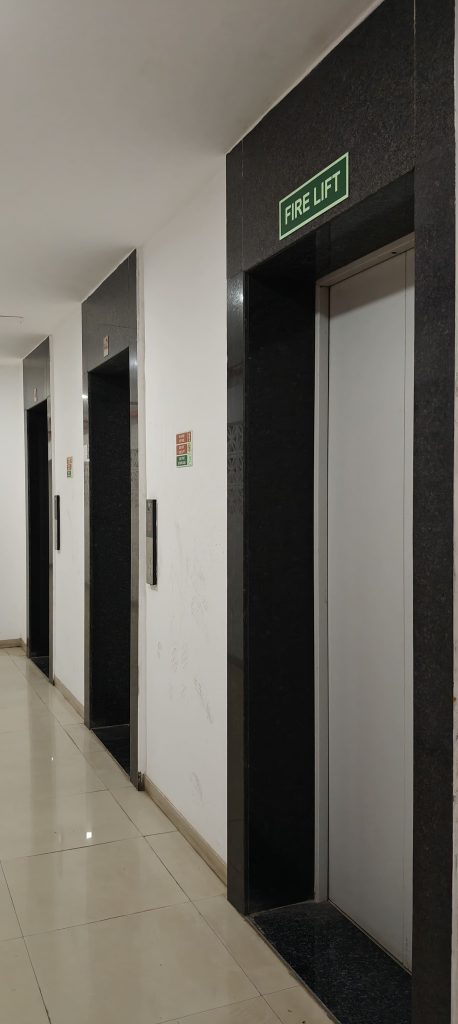
India’s Vertical Future
The significance of these advancements is particularly evident in India. Rapid urbanization, the growth of high-rise residential developments, expanding commercial districts and the rise of mixed-use projects are creating unprecedented demand for advanced VT solutions. Cities such as Mumbai, Bengaluru, Pune, Hyderabad and Gurugram are witnessing increasing adoption of smart building technologies, driving demand for intelligent, efficient and sustainable elevator systems.
At the same time, modernization of existing installations presents a substantial opportunity. Many aging systems can benefit from upgrades that improve safety, efficiency and user experience without requiring complete replacement. As India’s urban landscape continues to evolve, VT technology will play a pivotal role in shaping how people interact with buildings.
The Next Ascent
The VT industry is entering a new chapter, and it is one defined by intelligence, connectivity, sustainability and user-centric design.
What was once viewed primarily as a mechanical necessity is becoming an integral component of smart buildings and future-ready cities. The expansion of VT technology’s capabilities is transforming elevators from transportation devices into intelligent mobility platforms.
Yet amid all this innovation, the industry’s core mission remains unchanged, and that is moving people safely and efficiently. The difference is that today’s VT systems are doing far more along the way, including collecting data, conserving energy, improving accessibility and enhancing the overall building experience. As technology continues to advance and urban environments become increasingly complex, one thing is clear: The future of VT is not just about reaching the next floor. It is about elevating the journey itself.
ALTRO DALLA CATEGORIA
NOTIZIE DEL GIORNO