ANACAM'ın 55. Ulusal Meclisi
By Elettra Bilibio | Etkinlikler | 31 Temmuz 2026
Okuma süresi 12 dakika
BU MAKALEYİ DİNLEYİN
Held June 17 to 20 at Chia Laguna Resort in Sardinia, the 55th ANACAM National Assembly united Italian lift SMEs, technical experts and European representation in a program addressing safety, standards, digitalization, AI, cybersecurity, training, internationalization and after-sales access. EFESME’s presence reinforced the link between national experience and Brussels advocacy, urging a Think Small First approach. Panels examined the ISO 8100 transition, the new Machinery Regulation coming into force in January 2027, cybersecurity across the lift life cycle, and competitive imbalances in maintenance with proposals such as a SERMI-style secure access. Emphasis on safety culture, European Elevator Safety Day and training for generational renewal framed a sector in transition, committed to competence, cooperation and continuity.
İtalyan KOBİ'leri, Avrupa temsilciliği ve teknik uzmanlık Sardinya'da bir araya geliyor.
tarafından Elettra Bilibio
The 55th ANACAM National Assembly took place on June 17-20 at the Chia Laguna Resort in Sardinia, Italy, one of the Mediterranean’s most evocative settings. The location offered the usual combination that makes ANACAM assemblies distinctive: a strong technical and associative program, a high level of participation and the possibility for companies, experts and partners to meet in an atmosphere of both work and exchange.
The assembly works opened on June 18, following the arrival day, and immediately confirmed the breadth of the issues currently shaping the Italian and European lift sectors. Safety, standards, digitalization, AI, cybersecurity, training, internationalization and after-sales access all found space in a program that reflected the daily reality of lift small and medium-sized enterprises (SMEs): companies that must follow regulatory and technological change closely while continuing to provide reliable services in local markets.
For the European Federation for Elevator Small and Medium-sized Enterprises (EFESME), the event was also an important opportunity to reconnect the national and European dimensions of representation. ANACAM has long played a decisive role within the Federation, bringing the experience of Italian SMEs to European and international discussions. This link was visible throughout the two days of work, through the institutional and political contribution of EFESME President Massimo Bezzi and the technical interventions of EFESME experts Paolo Tattoli, Ivan Ferrarini, Tiziano Caresani and Marco Cogliati.
June 18: Institutional Opening
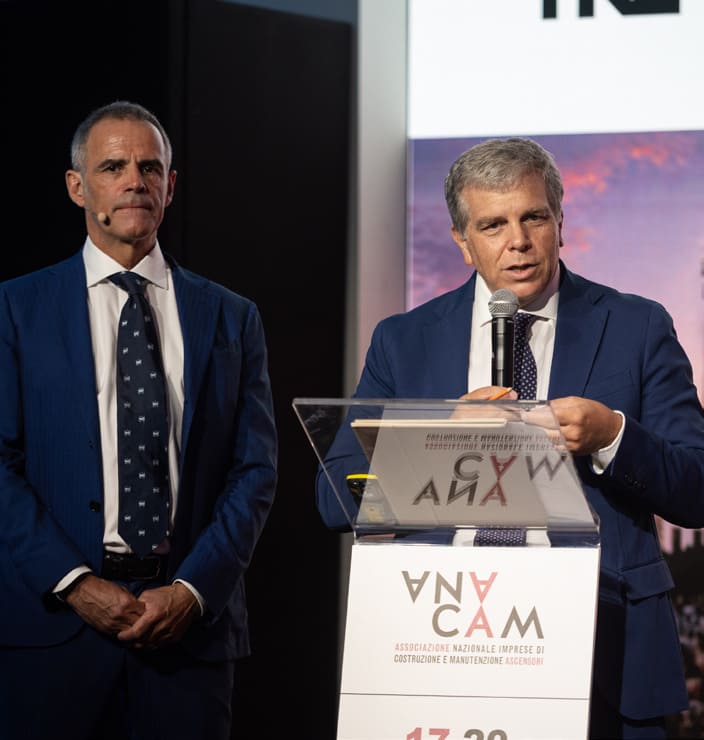
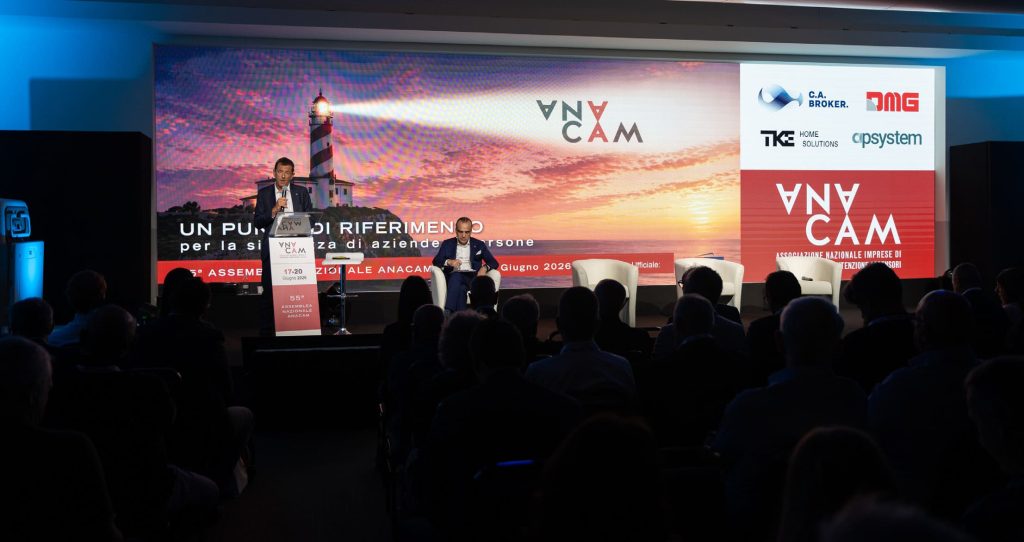
The opening session began with the welcome of Omero Campus, president of ANACAM Sardinia, who greeted participants and introduced the rich program prepared for the assembly. ANACAM National President Piero Mosanghini then thanked the sponsors, the board and all those involved in the organization, underlining the variety of the themes selected for discussion: alongside technical and regulatory matters, the program also addressed taxation, training, European affairs, standardization, marketing and generational renewal.
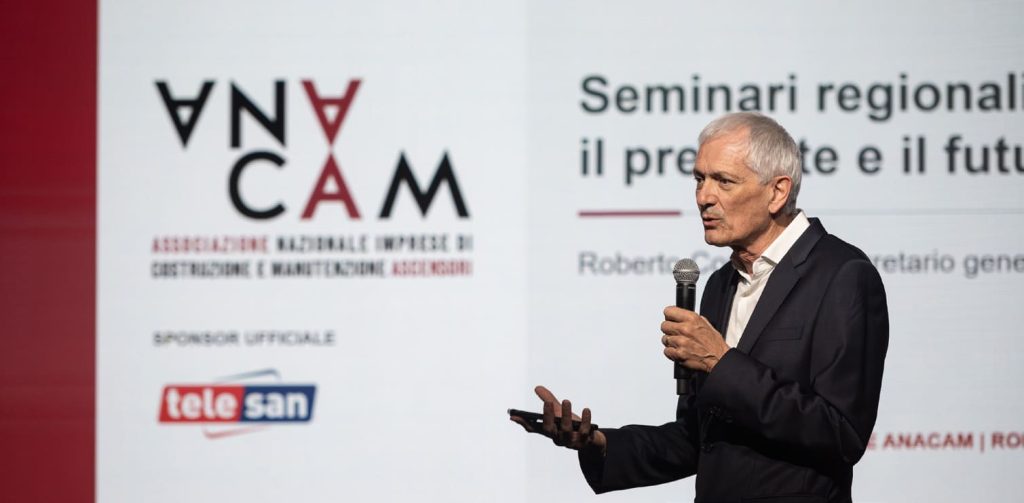
ANACAM Secretary General Roberto Corradini presented the association’s work across Italy, recalling the regional seminars organized throughout the country and the direct contact with companies that allows the association to collect questions, needs and practical concerns from its members. This attention to the daily reality of companies was a recurrent thread of the assembly. The same associative perspective was also reflected in the interventions of Michele Mazzarda, president of ANACAM Service, and Sofia Vergati, president of ANACAM Giovani, who emphasized the importance of involving younger professionals and supporting generational change both within companies and within the association.
Bezzi’s speech placed these national discussions in a broader European context. He recalled EFESME’s presence in the main European and international technical tables and in relevant European Commission expert groups, as well as the support received from Small Business Standards (SBS) on technical matters and from SMEunited on political representation. For Bezzi, the principle of “Think Small First” must remain central when institutions and standardization bodies develop new rules that will affect SMEs, not only in the lift sector.
The speech also looked back at EFESME’s 20th anniversary, celebrated in 2025 through events in several European countries. The milestone was not only celebratory, but also a reminder of the Federation’s mission to provide high-quality representation for lift SMEs and to ensure that their voice is heard in Brussels and in technical standardization. Bezzi underlined the fundamental role of ANACAM in this history, both in the past and in the future of EFESME’s activities.
Looking ahead, Bezzi focused on the evaluation of the Lift Directive and the work carried out with SBS to address the competitive imbalance that still affects the maintenance market. Access to technical information, tools, instructions and components remains a key issue for SMEs active in after-sales services, crucial points recognized by the evaluation itself. Bezzi also addressed AI and cybersecurity, topics that may already be concrete for large manufacturers but can still appear difficult or distant for smaller companies. His message was clear: Innovation must become an opportunity for lift SMEs, not an obstacle created by disproportionate costs or unclear obligations.
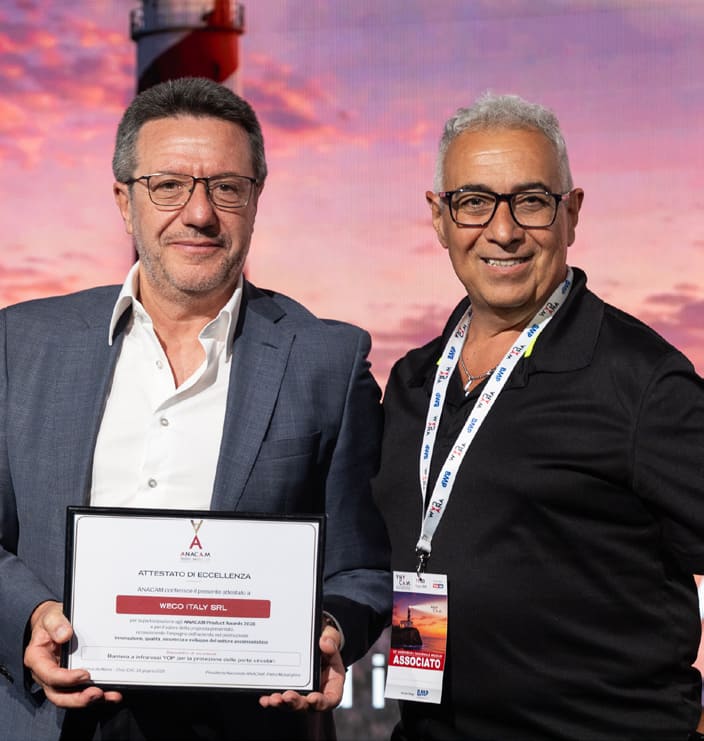
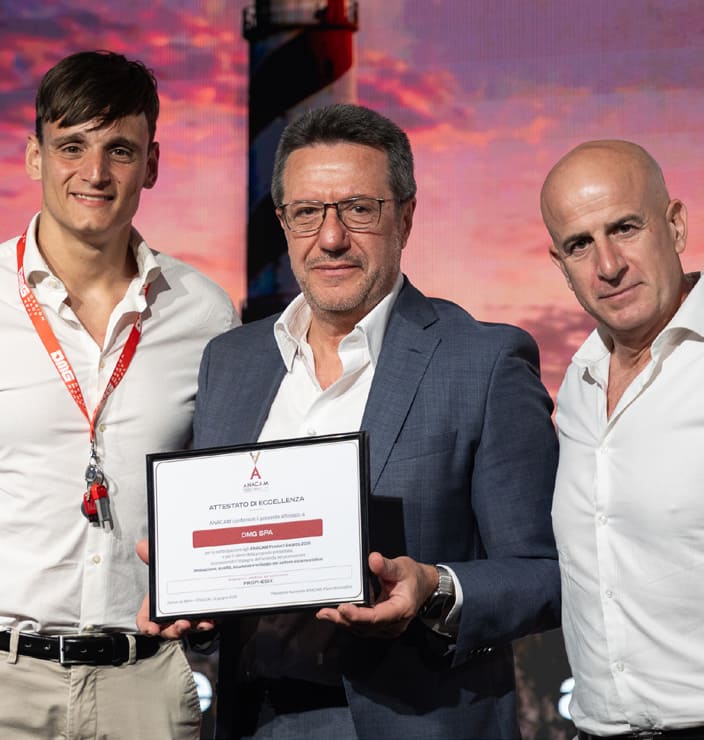
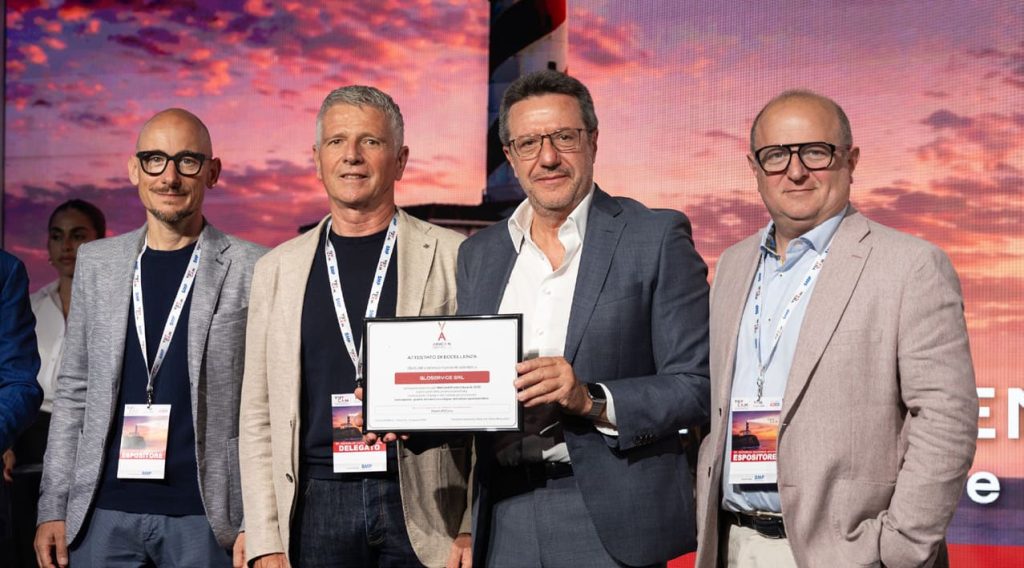
The morning also included a discussion on financial matters, a preview of the future Museum of the Elevator by ANACAM Vice President Andrea Codebò and the presentation of certificates of excellence for the ANACAM Product Awards 2026. The museum project offered a different, cultural perspective on the sector, inviting participants to read the elevator not only as a machine, but also as part of the history of mobility, architecture and social life.
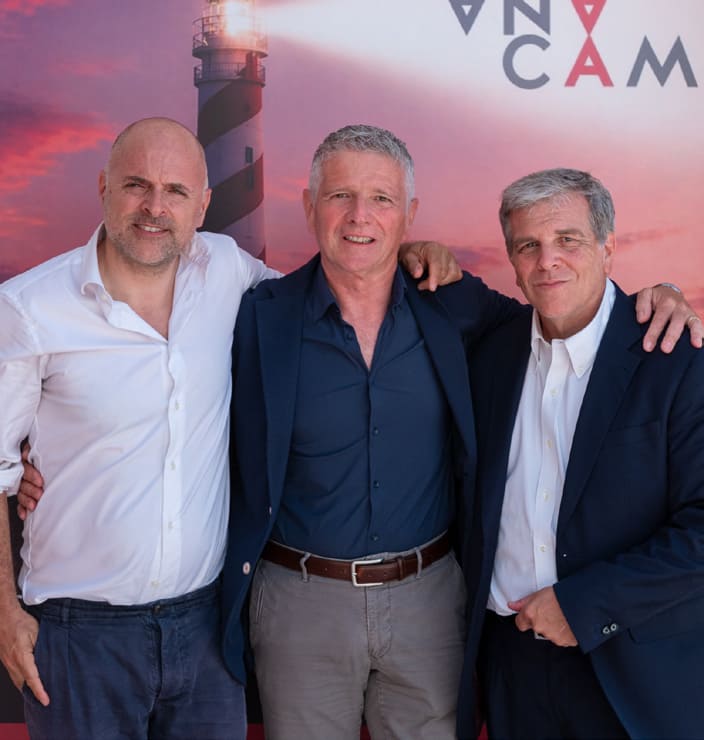
The ANACAM Product Awards 2026 ceremony recognized the excellence of numerous companies.
International Fairs and Market Perspectives
The Assembly then turned to international fairs. interlift 2027 in Nuremberg, Germany; Smart Lift & Mobility World 2028 in Mumbai, India; and ISEE 2026 in New Delhi, India, were presented with their representatives and organizers, alongside direct testimonies from two ANACAM SMEs that participated in the World Elevator & Escalator Expo in Guangzhou, China, and ELEVEX Konya in Türkiye.
For Italian SMEs, this part of the assembly highlighted the importance of looking beyond national borders. International fairs are places where companies can observe market trends, understand new opportunities and assess how the global lift sector is changing. The discussion on India, China, Türkiye and Germany confirmed that internationalization remains an increasingly relevant dimension, even for companies strongly rooted in local maintenance and installation markets.
Safety as a Shared Culture
The afternoon of June 18 was dedicated to safety, moderated by Mazzarda. The first module focused on safety culture and ANACAM initiatives, including the presentation of the association’s safety campaign and its results in terms of visibility and impact. Communication was presented as an essential part of safety culture: Technical knowledge must reach workers, companies, users and the wider public.
Bezzi then presented the European Elevator Safety Day (EESD) 2026, organized with the European Lift Association on April 28, already the World Day for Safety and Health at Work. The initiative was described as a significant example of cooperation on a topic that concerns the entire lift sector. Safety involves workers and users, companies and institutions, technical processes and public awareness. The EESD is intended to become an annual appointment with European coordination and national-level activities promoted by member associations.
The following module addressed risk management, accidents, cybersecurity, AI and insurance coverage. Cogliati focused on cybersecurity as a new area of risk for lift companies. As installations become increasingly connected, cyber risks can no longer be treated as distant or abstract. Cogliati connected the subject to the evolving European legislative framework, including the Cyber Resilience Act, the Data Act, the AI Act and the new Machinery Regulation, all of which require lift SMEs to understand how digital risks interact with safety and compliance.
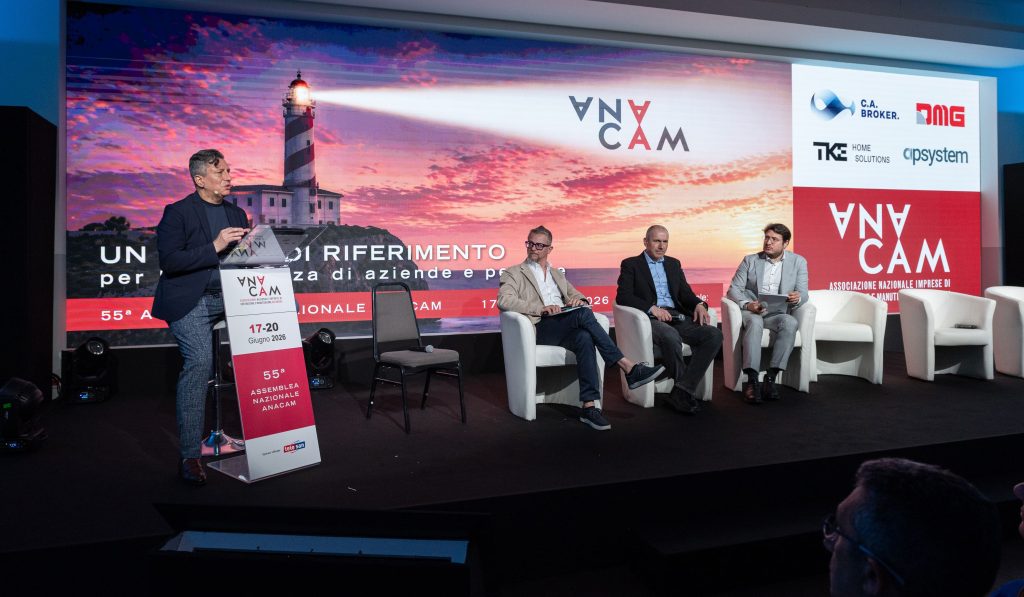
The final safety module of the day broadened the perspective to construction-site safety, checks and inspections, the new State-Regions Agreement on mandatory training, the Italian Safety Decree, technical documentation and the risks faced by engineers and notified bodies during verification activities. Together, these modules confirmed that safety is not a single topic, but a system of responsibilities that extends from company organization to technical documentation, from training to insurance, and from the worksite to the passenger.
The evening concluded with a poolside event, the ANACAM Product Awards 2026 ceremony and a performance by the comedy duo Ale & Franz, adding the convivial dimension that has always been part of ANACAM’s national gatherings.
June 19: Standards in Motion
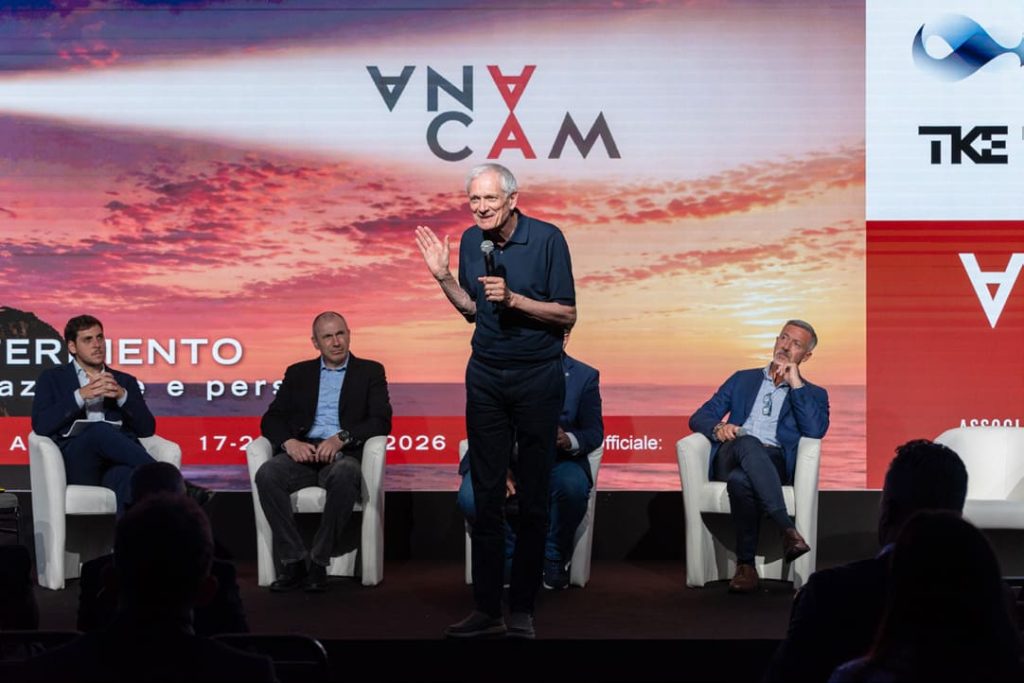
The second day opened with a technical-regulatory roundtable moderated by Alessandro Cattelan. The first module focused on evolving standards, beginning with ISO 8100-1 and ISO 8100-2. Tattoli presented the transition from EN 81-20 and EN 81-50 toward the ISO 8100 series as a historic step for the lift sector. Although some markets may show resistance, the interest in these standards is global. Their future role in providing presumption of conformity under the new Machinery Regulation makes them particularly important for companies and notified bodies (NBs) preparing for the next regulatory phase.
The panel also addressed the cultural and technical consequences of the transition. New standards require not only formal adaptation, but also a different way of approaching design, certification and company processes. Among the technical aspects discussed were ropes and suspension systems, as well as the costs connected to design adaptation, production, staff training and supplies. ANACAM announced dedicated training courses on ISO 8100-1 and ISO 8100-2 to support companies in this transition.
Ferrarini focused on building interfaces and the changes expected under ISO 8100. The discussion highlighted the European Commission’s preference for product-focused standards and the need to clarify responsibilities between the lift product and the building environment. This issue is particularly relevant for lift SMEs, which often have to manage the practical relationship between the installation, building administrators and the technical requirements of the site.
Cogliati brought the debate back to cybersecurity, stressing that the issue must be translated into the concrete reality of the lift sector. Cybersecurity must cover the entire life cycle of the lift, from design and installation to maintenance, updates and long-term operation. This requires trained personnel, awareness and internal processes capable of keeping pace with connected technologies.
The second part of the module addressed the new Machinery Regulation, applicable beginning January 20, 2027, and the standards EN 81-41 and EN 81-42, with contributions from Tattoli and Caresani.
The Regulation introduces new essential health and safety requirements linked to cybersecurity, AI, data tracking and software modifications. EN 81-41:2025, although recent, does not address all these elements and is still based on EN 81-20 and EN 81-50. From 2027 on, relying on it alone will not be sufficient to cover all the new requirements, making dialogue with NBs essential. Caresani also recalled that the Guide to the Machinery Regulation is still under writing, in a long and complex process involving sector experts.
After the coffee break, the official program continued with a module dedicated to stairlifts, lifting platforms and emergency communication, the revision of EN 81-40, bidirectional emergency communication, and insurance responsibilities. This session complemented the broader standardization debate by focusing on equipment and services that are crucial for accessibility and for many lift SMEs operating in the Italian market.
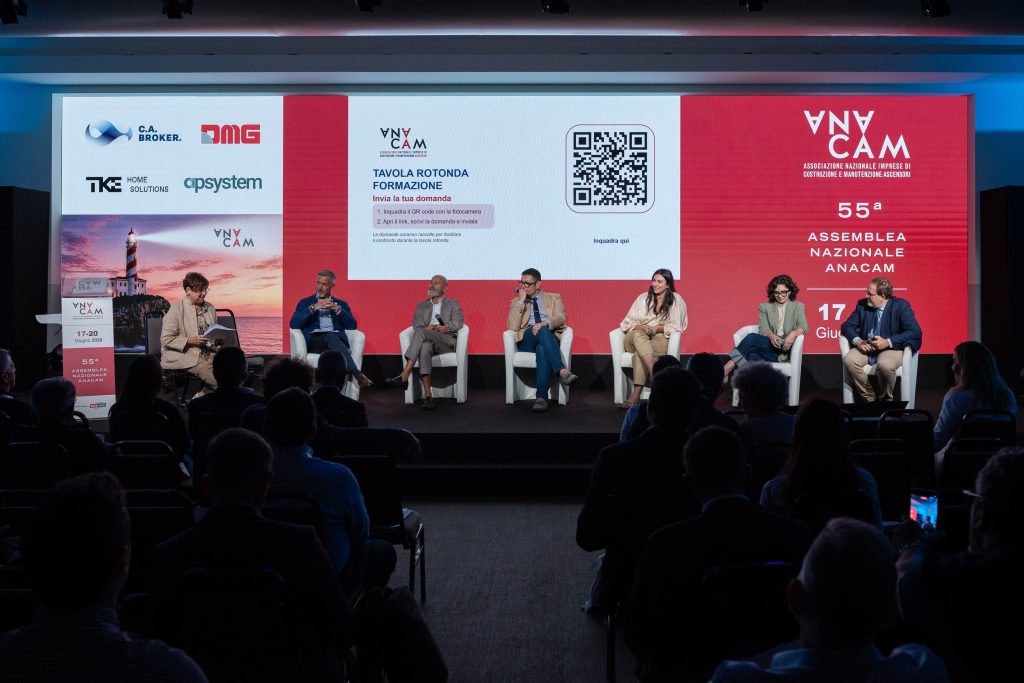
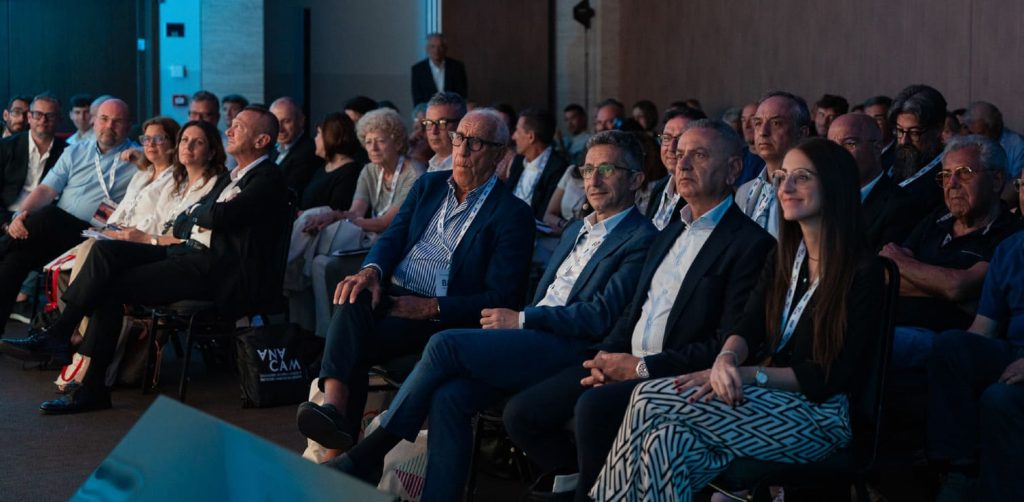
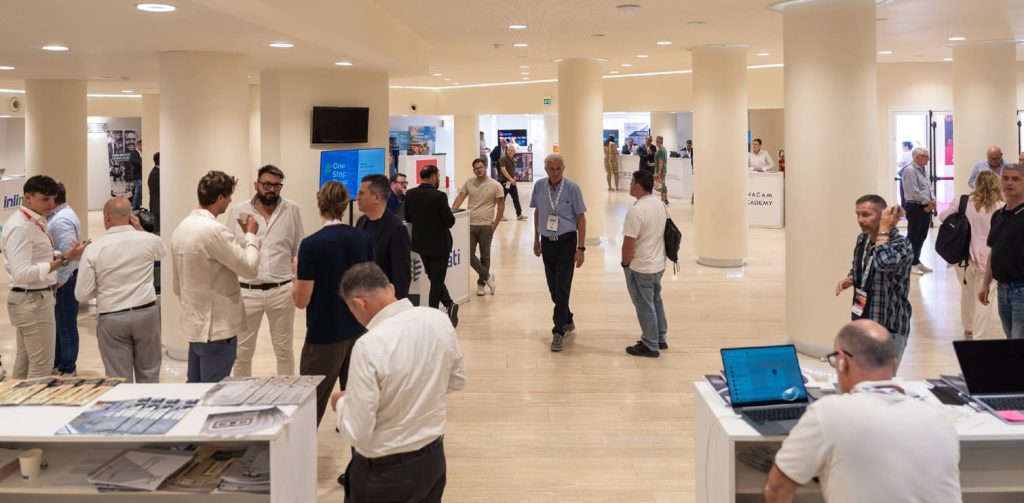
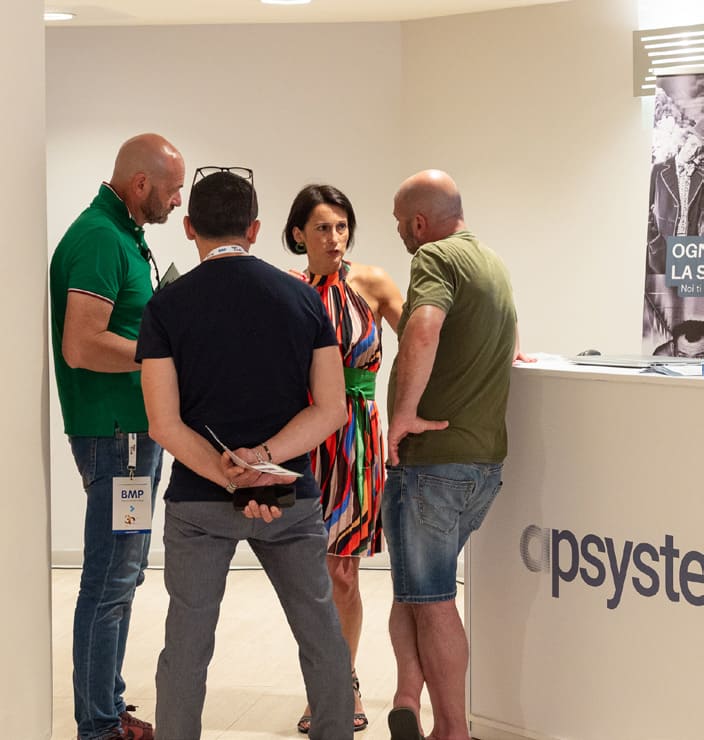
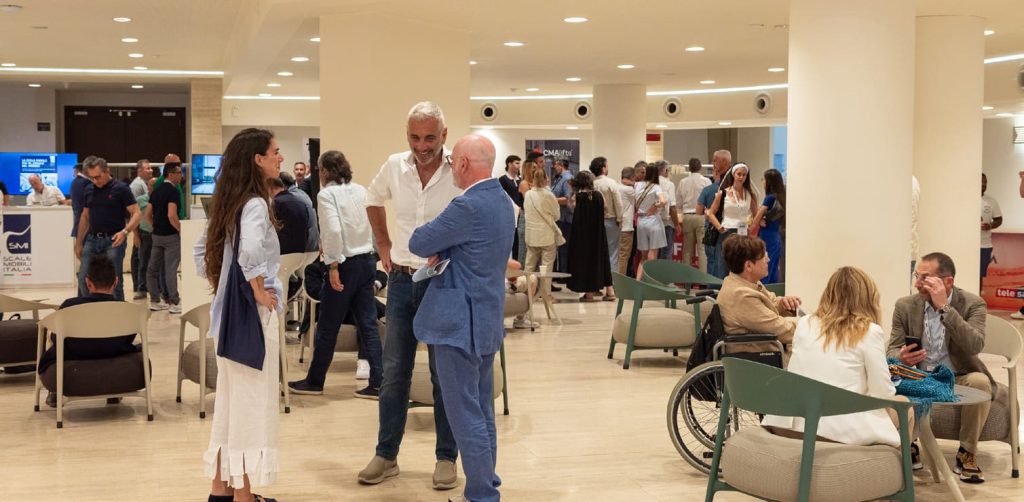
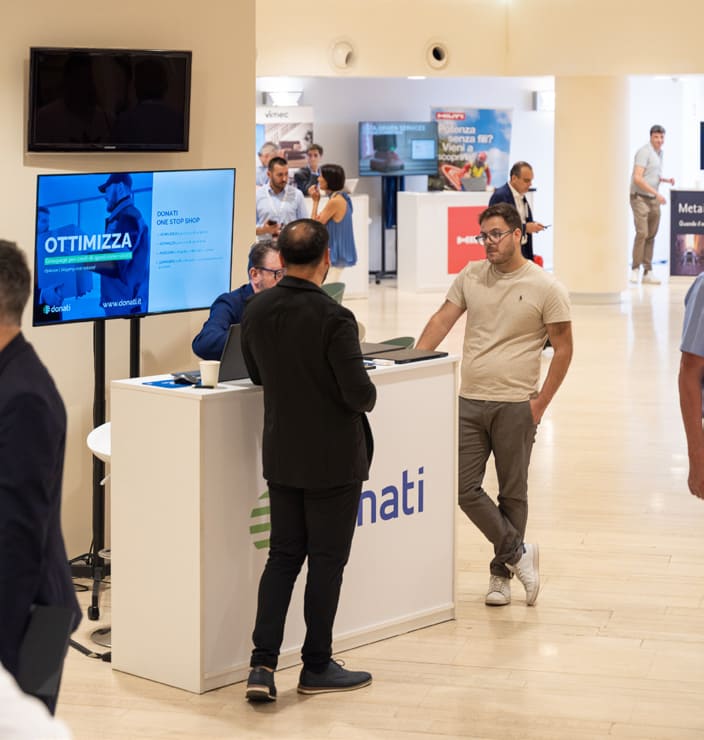
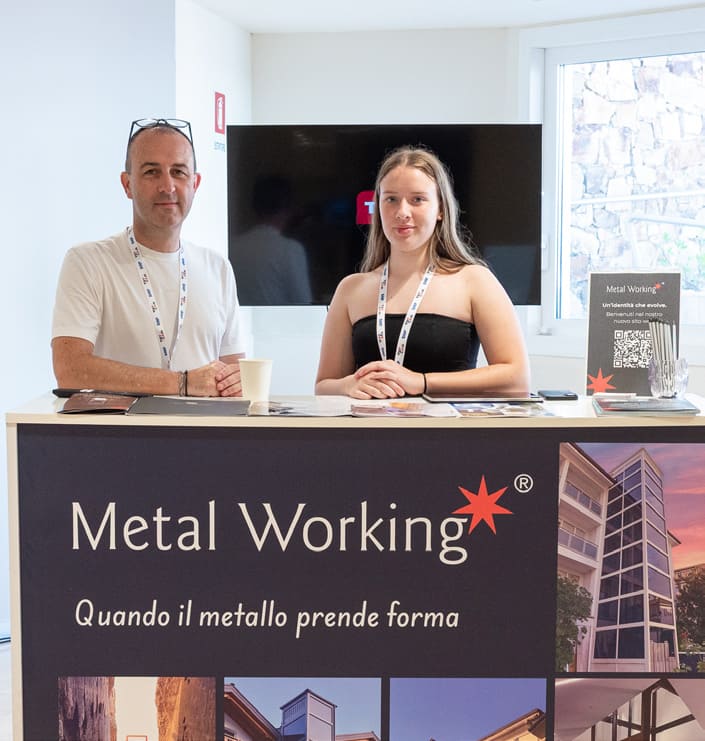
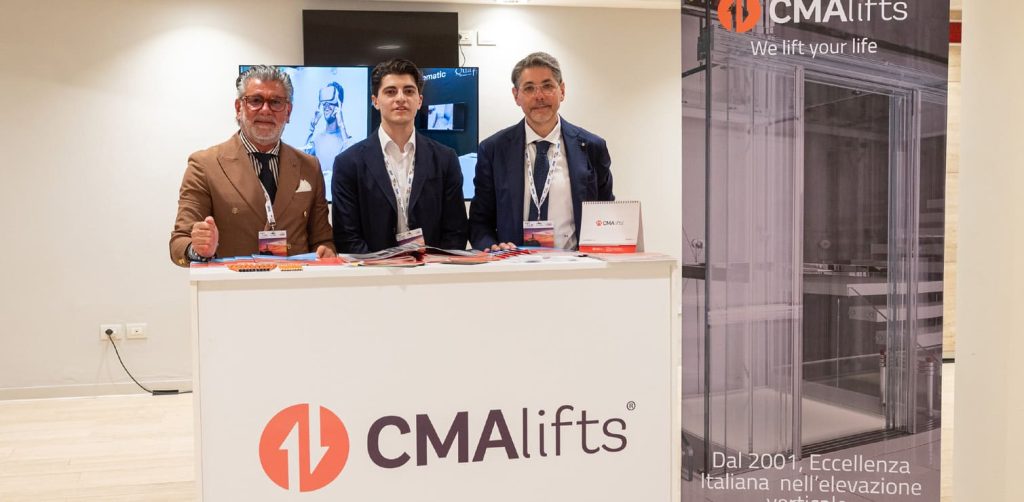
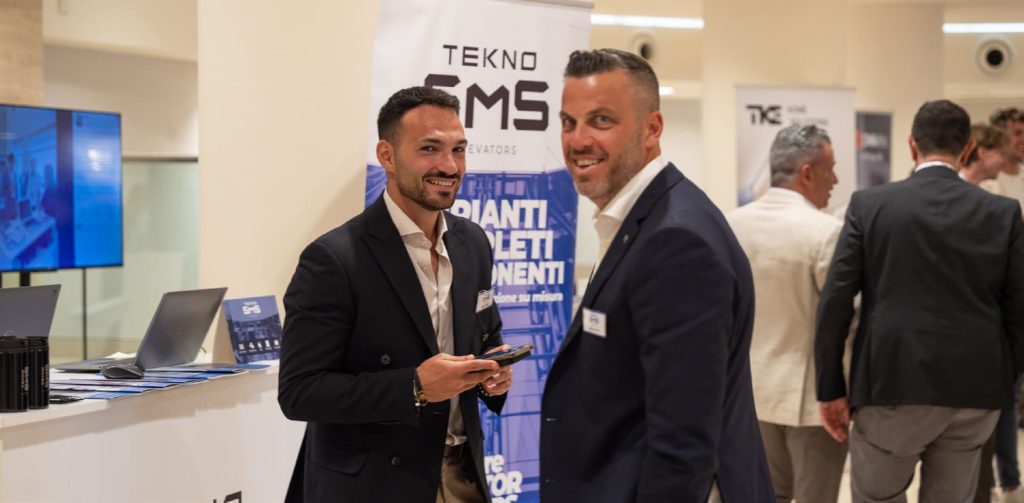
In Sardinia, Italian SMEs discussed European legislation, international standards, cybersecurity, safety, fairs, accessibility, training and generational renewal.
Access to After-Sales Services
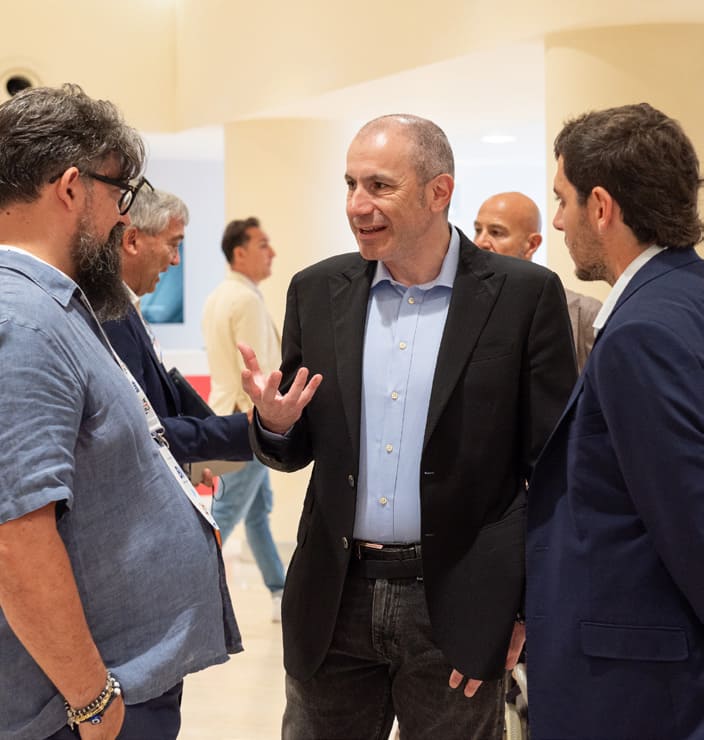
The next morning’s module addressed access to data and installations for after-sales services, with interventions from Cogliati, Nicola Imbimbo and Andrea Raffaelli of SBS. For EFESME and ANACAM, this is one of the most strategic topics for independent lift SMEs.
Cogliati underlined that accessibility must be considered from several angles: technical access, the right to repair, access to data, access to control panels and the ownership of information generated by connected systems.
The current imbalance in the maintenance market remains a major concern. Restrictions on tools, instructions, components or digital access can limit the ability of independent companies to provide maintenance and repair services, while also making it more difficult for owners to change maintenance providers.
Raffaelli placed the debate in the context of the European Commission’s 2026 evaluation of the Lift Directive, which confirmed the long-standing problem of competitive imbalance in the maintenance market. He recalled the joint SBS-EFESME work on possible solutions and presented the SERMI system used in the automotive sector as a model worth exploring for secure access by certified independent operators, while noting that an appropriate legislative basis would be needed for the lift sector.
Training, Generations and the Future of the Sector
The afternoon of June 19 was dedicated to training, moderated by Alessandra Recchia. Although different from the more technical morning sessions, this part of the program addressed another decisive challenge for lift SMEs: attracting and retaining talent. The first module focused on welfare, communication, generational dialogue and the role of young people within companies and associations. It continued the reflection introduced by ANACAM Giovani, showing that the future of the sector depends not only on standards and technologies, but also on people.
The following modules explored training and safety, while the final module addressed new learning languages, apprenticeships and digital tools.
This emphasis on training closed the technical program with a forward-looking message. The sector needs rules that work, standards that SMEs can understand and apply, and fair access to markets and technologies. But it also needs new technicians, new entrepreneurs and new forms of communication capable of presenting the lift profession as modern, skilled and essential.
The 55th ANACAM National Assembly therefore offered a complete picture of a sector in transition. In Sardinia, Italian SMEs discussed European legislation, international standards, cybersecurity, safety, fairs, accessibility, training and generational renewal. EFESME’s presence throughout the event confirmed the value of connecting national experience with European representation. For lift SMEs, this connection is not theoretical: It is one of the ways in which their daily challenges can be transformed into technical positions, political messages and concrete proposals.
As the assembly closed and participants moved to the all-white, final gala dinner by the sea, the message was one of continuity and responsibility. The lift sector is changing quickly, but its strength remains rooted in the same elements that have always defined it: technical competence, proximity to users, associative cooperation and the capacity of lift SMEs to adapt without losing their identity.



KATEGORİDEN DAHA FAZLASI
GÜNLÜK HABERLER