AYSAD ha tenuto un panel in due sessioni al Makina Hangar
By Turhan Korkmaz | Eventi | Luglio 13, 2026
7 minuti di lettura
ASCOLTA QUESTO ARTICOLO
Il 15 maggio 2026, presso l'hangar Makina, AYSAD ha organizzato un panel in due sessioni incentrato sulle capacità degli azionamenti per ascensori e sulle sfide legate all'espansione globale dei marchi turchi. Moderato da Fevzi Yıldırım e Sefa Targıt, il panel ha visto la partecipazione di relatori quali il Prof. Erdem İmrak, Kenan Karahan, Kamber Gülüm, Melih Küçükçalık e Sedat Yıldız, i quali hanno sottolineato l'importanza dell'affidabilità, della continuità e degli standard come prerequisiti per la costruzione del marchio. Hanno inoltre evidenziato come il commercio di componenti e i requisiti di installazione locali influenzino il settore, e hanno sostenuto che la scalabilità sia relativa alla geografia. I relatori hanno consigliato un'espansione graduale, l'apertura alla produzione offshore per ottenere vantaggi in termini di costi e una maggiore tutela delle PMI per mitigare i rischi di pagamento. La sessione si è conclusa con domande del pubblico e una foto di gruppo.
di Turhan Korkmaz
Il 15 maggio 2026, l'Associazione dei produttori di ascensori e scale mobili (AYSAD) ha organizzato un panel presso il centro di formazione e gestione dell'hangar di Makina. La prima sessione, intitolata "Capacità di guida e potenziali rischi negli ascensori", è stata moderata dal presidente del consiglio di amministrazione di AYSAD, Fevzi Yıldırım. I relatori della prima sessione sono stati il Prof. Dr. Erdem İmrak della Facoltà di Ingegneria Meccanica dell'Università Tecnica di Istanbul (İTÜ), Kenan Karahan di Buga Otis Elevator e Kamber Gülüm di Beta Elevator. Il titolo della seconda sessione era "Perché i marchi turchi non riescono a espandersi a livello globale? Il problema è legato alle economie di scala?". La sessione è stata moderata da Sefa Targıt, vicepresidente di MAKFED, e ha visto la partecipazione di relatori quali Melih Küçükçalık, cofondatore di Arkel Elektronik, e Sedat Yıldız, uno dei fondatori di GETA Elevator. Il panel, seguito da un folto pubblico composto da membri di AYSAD, aziende del settore e rappresentanti di associazioni di categoria, si è concluso con una sessione di domande e risposte rivolta ai relatori.
Perché i marchi turchi non riescono a espandersi a livello globale?
Il titolo della seconda sessione era "Perché i marchi turchi non riescono a internazionalizzarsi? Il problema è legato alle economie di scala?". La sessione è stata moderata da Sefa Targıt, vicepresidente di MAKFED, e ha visto la partecipazione di relatori come Melih Küçükçalık, cofondatore di Arkel Elektronik, e Sedat Yıldız, uno dei fondatori di GETA Elevator. Il panel, seguito da un folto pubblico composto da membri di AYSAD, aziende del settore e rappresentanti di associazioni di categoria, si è concluso con le domande dei partecipanti ai relatori.
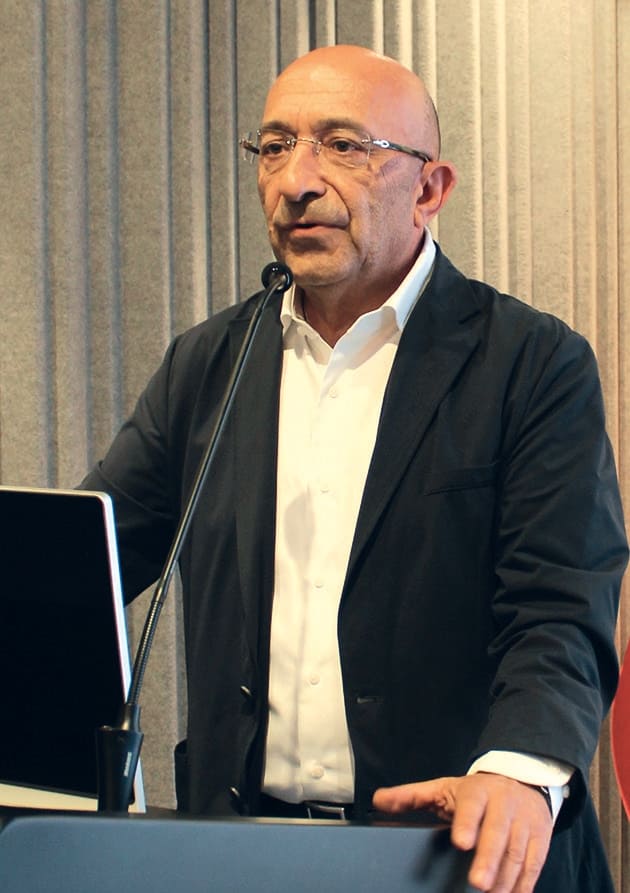
Il primo relatore della seconda sessione è stato Melih Küçükçalık, co-fondatore di Arkel Elektronik. Küçükçalık ha iniziato il suo intervento affermando: "Quando io e il mio amico Çağlar abbiamo fondato Arkel nel 1998, onestamente non ci siamo posti domande del tipo 'Riusciremo a far conoscere il nostro marchio in tutto il mondo?' o 'Possiamo diventare un marchio globale?'. Tuttavia, guardando a dove siamo arrivati oggi, devo dire che siamo effettivamente diventati un marchio ben noto nel settore dei componenti."
Rispondendo personalmente alla domanda "Come ci siamo riusciti?", Melih Küçükçalık ha proseguito: "A dire il vero, non abbiamo iniziato con un piano ben definito. Tuttavia, guardando indietro oggi, ci rendiamo conto che i passi che abbiamo compiuto hanno dato i risultati sperati. Quali sono stati questi passi? Prima di tutto, bisogna essere affidabili. Bisogna garantire la continuità. Affidabilità e continuità sono le priorità nella costruzione di un marchio. Altrettanto importante è garantire ai nostri clienti la certezza di ricevere sempre prodotti della stessa qualità. Lo stesso vale per i componenti che vendiamo in tutto il mondo. A mio avviso, l'assoluto requisito fondamentale per prodotti e servizi è il raggiungimento di uno standard elevato."
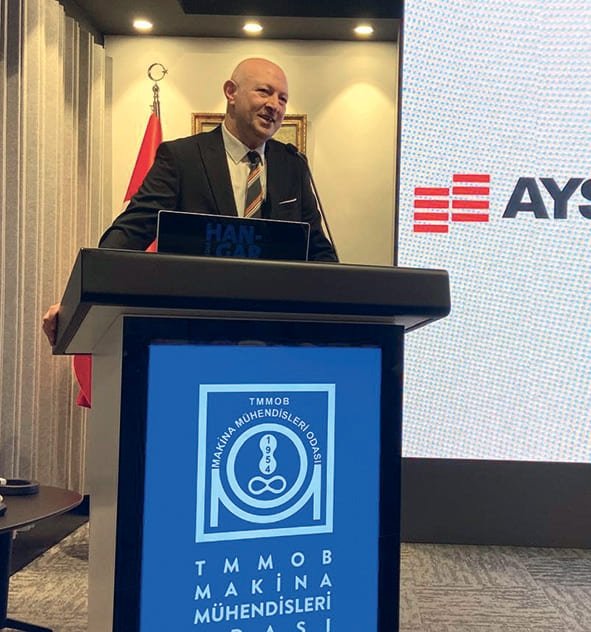
Sedat Yıldız, uno dei fondatori di GETA Asansör, che ha preso la parola subito dopo, ha parlato della fase di fondazione di GETA e ha affermato: "In definitiva, cinque aziende si sono unite per fondare GETA. I nostri amici erano motivati dalla convinzione di 'doverlo fare a questo Paese'. La nostra sinergia era molto forte. Unendo le forze, siamo anche riusciti a ridurre alcuni dei nostri oneri. Ad esempio, abbiamo chiuso i magazzini delle nostre singole aziende. Ognuno aveva le proprie attività produttive, che erano sia costose che rischiose. Abbiamo posto fine anche a queste attività produttive. Abbiamo ottimizzato le nostre spese. In seguito, altre aziende si sono unite a noi. Ad esempio, il signor Devrim di Genemek. Ci ha fornito supporto finanziario, affermando di credere in questo progetto e di non avere aspettative finanziarie. Vorrei ringraziarlo qui. 'Prima di tutto, abbiamo imparato che affrettarsi in progetti del genere non è l'approccio giusto. Il modo migliore è procedere lentamente ma con sicurezza', ha concluso.
Prima dell'inizio della seconda parte della sessione, la moderatrice Sefa Targıt ha formulato alcune osservazioni, affermando: "Nella sezione introduttiva della Direttiva Ascensori, si legge: 'Gli ascensori non sono prodotti che possono essere esportati o importati. Gli ascensori diventano prodotti solo quando vengono installati'." Il motivo è che il commercio internazionale avviene a livello di componenti. Perché un ascensore è una macchina che diventa tale solo dopo l'installazione. Questo non vale per altre categorie di macchinari. Il vantaggio che ne deriva è la necessità che l'installazione venga eseguita da un team locale in grado di effettuare l'assemblaggio in loco e che la manutenzione e l'assistenza siano fornite da un'azienda di manutenzione locale. "La produzione di componenti non è più un'attività che si può svolgere su piccola scala. Anche la produzione in Turchia sta diventando sempre più difficile. I costi sono molto elevati", ha affermato, chiedendo poi a Melih Küçükçalık: "In base a ciò, è necessario stabilire la produzione al di fuori della Turchia per diventare un produttore globale di componenti? Come ci siete riusciti? Siete stati in grado di creare una struttura che mantenesse le caratteristiche del vostro marchio?"
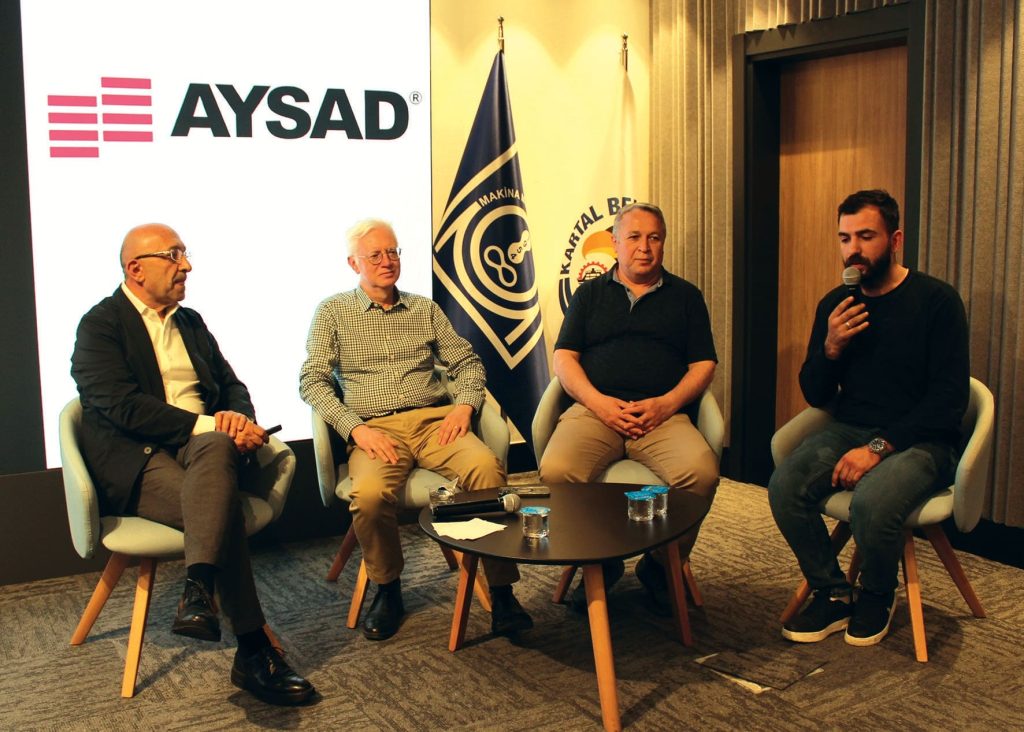
Küçükçalık ha osservato che i costi di produzione e del lavoro in Turchia sono aumentati significativamente negli ultimi tempi, citando come esempio di questa tendenza il trasferimento di stabilimenti da parte di alcuni settori verso paesi in cui la produzione è meno costosa. Sottolineando che non vi è alcun obbligo di produrre esclusivamente in Turchia per essere un marchio turco, Küçükçalık ha aggiunto: "Oggi, molte aziende consolidate fanno produrre i loro prodotti in Cina a causa dei costi inferiori. Certo, sviluppare un prodotto in Turchia è l'approccio giusto. Ma una volta acquisito un certo livello di esperienza, non vedo nulla di male nello sfruttare tale esperienza per spostare la produzione in un altro paese dove si può ottenere un vantaggio in termini di prezzo", ha affermato.
Melih Küçükçalık, facendo notare che l'anno scorso hanno aperto un centro di produzione Arkel in India, ha inoltre sottolineato l'importanza di essere dinamici.
Sefa Targıt, moderatore della sessione e vicepresidente di MAKFED, ha affermato: "Un marchio è una percezione. È l'impressione che si lascia sul cliente. Quando si entra in un edificio, il marchio dell'ascensore crea una percezione nella mente. Anche l'impresa con cui si ha a che fare è un professionista. In questa situazione, potete rappresentare il marchio di quel professionista? Vorrei affrontare la questione delle dimensioni. Qual è la dimensione della vostra controparte? Commissionano 5 ascensori all'anno? Oppure si tratta di un complesso come quelli in Inghilterra, con diverse migliaia di appartamenti e 250-300 ascensori da installare? Dove si colloca la dimensione in questo settore?", ha chiesto, passando la parola a Melih Küçükçalık.
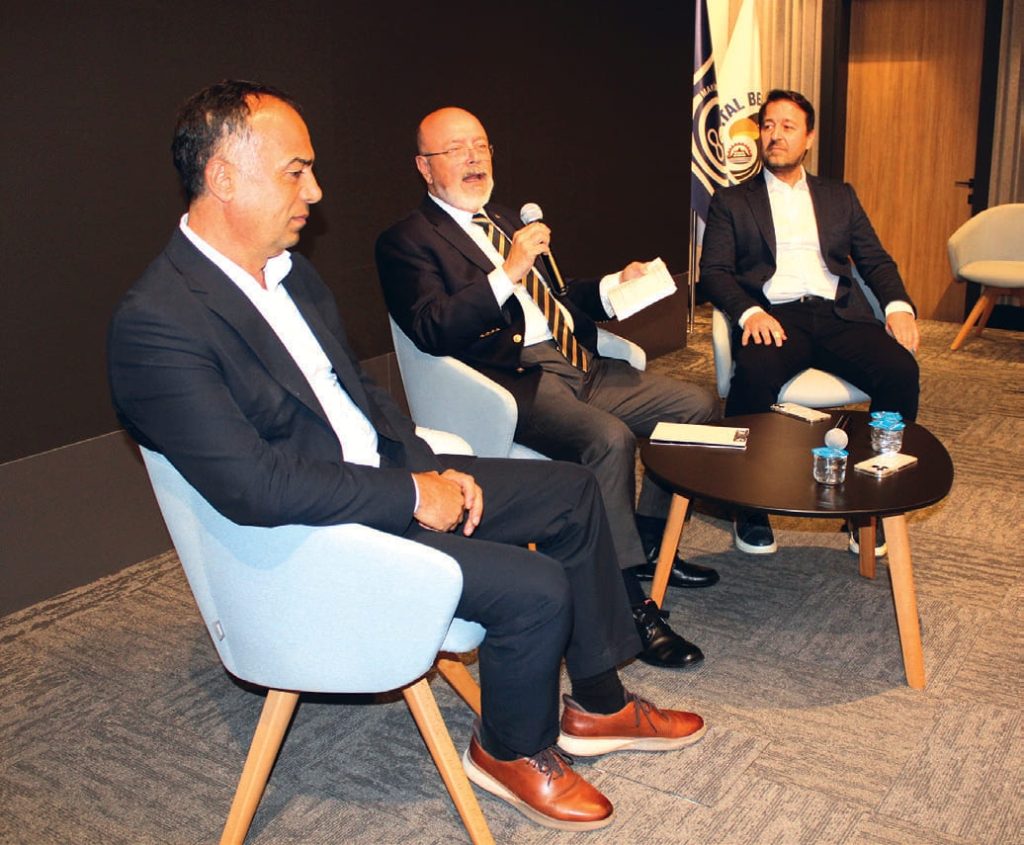
Küçükçalık ha risposto: "Certo, la scalabilità è necessaria per diventare un marchio globale, ma credo che tutto debba procedere per gradi. Per costruire un marchio, bisogna prima affermarsi nella propria città. Poi, espandendosi, si può ottenere riconoscimento e consolidare il marchio nelle province limitrofe e nella propria regione. Dopodiché, si possono aprire filiali in ogni provincia della Turchia. E si devono offrire prodotti sostenibili di qualità costante."
Infine, potreste aprire uffici all'estero. La scalabilità è direttamente proporzionale all'area in cui operate. Se operate in una sola provincia, 50 ascensori possono rendervi un marchio affermato. Se operate a livello nazionale, potreste aver bisogno di installare 1,000 ascensori all'anno per diventare un marchio. Ma se vi espandete a livello globale, dovrete installare decine di migliaia di ascensori. La scalabilità varia a seconda dell'area geografica. Ma il prerequisito per diventare un marchio è la sostenibilità: la capacità di fornire costantemente prodotti e servizi della stessa qualità. Dovete anche fare la differenza per il cliente. La produzione e un buon servizio da soli non bastano; creare un vantaggio competitivo e offrire prodotti e servizi unici sono condizioni essenziali per costruire un marchio", ha affermato.

In risposta alla domanda "Avete una visione globale?", il co-fondatore di GETA Elevator, Sedat Yıldız, ha osservato che nulla si può ottenere senza una visione, affermando: "Non ho mai visto un'azienda turca che operi su larga scala e sia al contempo un marchio riconosciuto. Abbiamo persino visto aziende che si sono aggiudicate grandi progetti da istituzioni pubbliche, ma che alla fine sono fallite. Questo perché in Turchia non esiste una normativa che garantisca i crediti delle PMI. Nei paesi dell'UE, invece, esiste un capitolo che garantisce i crediti delle PMI, ed è pienamente operativo. L'essenza del successo in Europa risiede nel successo delle PMI. Non importa quanto sia grande il progetto, se si costruisce un ascensore e non si riesce a riscuotere il pagamento in tempo, il sistema crolla. Molte aziende falliscono. Ecco perché dobbiamo andare avanti con fiducia e minimizzare i rischi", ha concluso.
Il panel si è concluso con una sessione di domande e risposte.

ALTRO DALLA CATEGORIA
NOTIZIE DEL GIORNO