
¿Ascensor del Antiguo Egipto?
By kathleen farell | Nuestra historia El | Julio 31, 2024
2 minuto de lectura
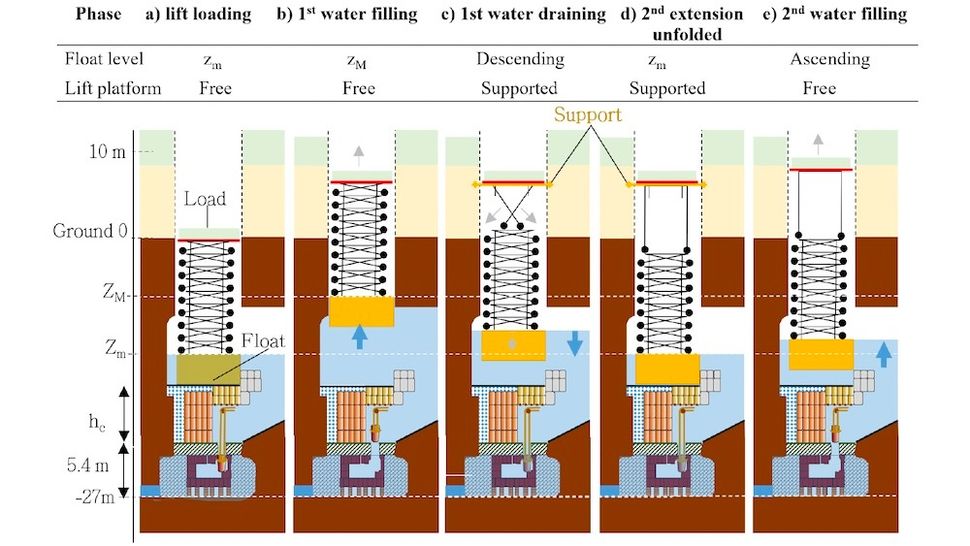
Una novedad controvertida Estudio afirma que los antiguos egipcios pueden haber utilizado un hysistema de elevación dráulico para construir la Pirámide de Djoser, la primera pirámide del mundo. Construida hace unos 4,700 años, la estructura de seis niveles y cuatro lados en la meseta de Saqqara fue objeto de investigación llevada a cabo por científicos franceses.
Los autores afirman que tras un análisis transdisciplinario descubrieron que se pudo haber utilizado un elevador hidráulico para construir el hito de 204 pies de altura. Una hazaña arquitectónica, generaciones de arqueólogos se han preguntado cómo los trabajadores pudieron construir la pirámide sin el uso de equipos modernos. El equipo de investigación afirma que los antiguos egipcios utilizaron agua de un brazo cercano del río Nilo para diseñar un sistema hidráulico moderno que incluía una presa, una planta de tratamiento de agua y un montacargas hidráulico.
Para que el sistema impulsado por el río funcionara, el agua fluía desde el Nilo hasta la presa de 1.2 metros, que filtraba los sedimentos antes de que el agua descendiera hasta la "Trinchera Profunda", una planta de tratamiento de agua con varias balsas para recoger las partículas restantes. A continuación, una serie de conductos subterráneos conducían el agua a 92 metros de profundidad bajo la pirámide hasta un elevador hidráulico. La fuerza del agua acumulada en el pozo se utilizaba para hacer flotar las piedras por un conducto, entregándolas a los trabajadores.
Algunas personas, entre ellas la arqueóloga Julia Budka, dudan de la veracidad del estudio. Budka, que trabaja en la Universidad Ludwig Maximilian de Múnich, señaló que no hubo egiptólogos ni arqueólogos directamente involucrados y que se necesitarían más estudios geológicos para comprender mejor el sistema hidráulico propuesto.